

Encephalitis: diagnosis in adults and children
This course provides healthcare professionals with a structured, evidence-based approach to diagnosing encephalitis in both adults and children. It covers clinical recognition, emergency assessment, key investigations, and the role of imaging and EEG, supporting early diagnosis and improved patient outcomes.
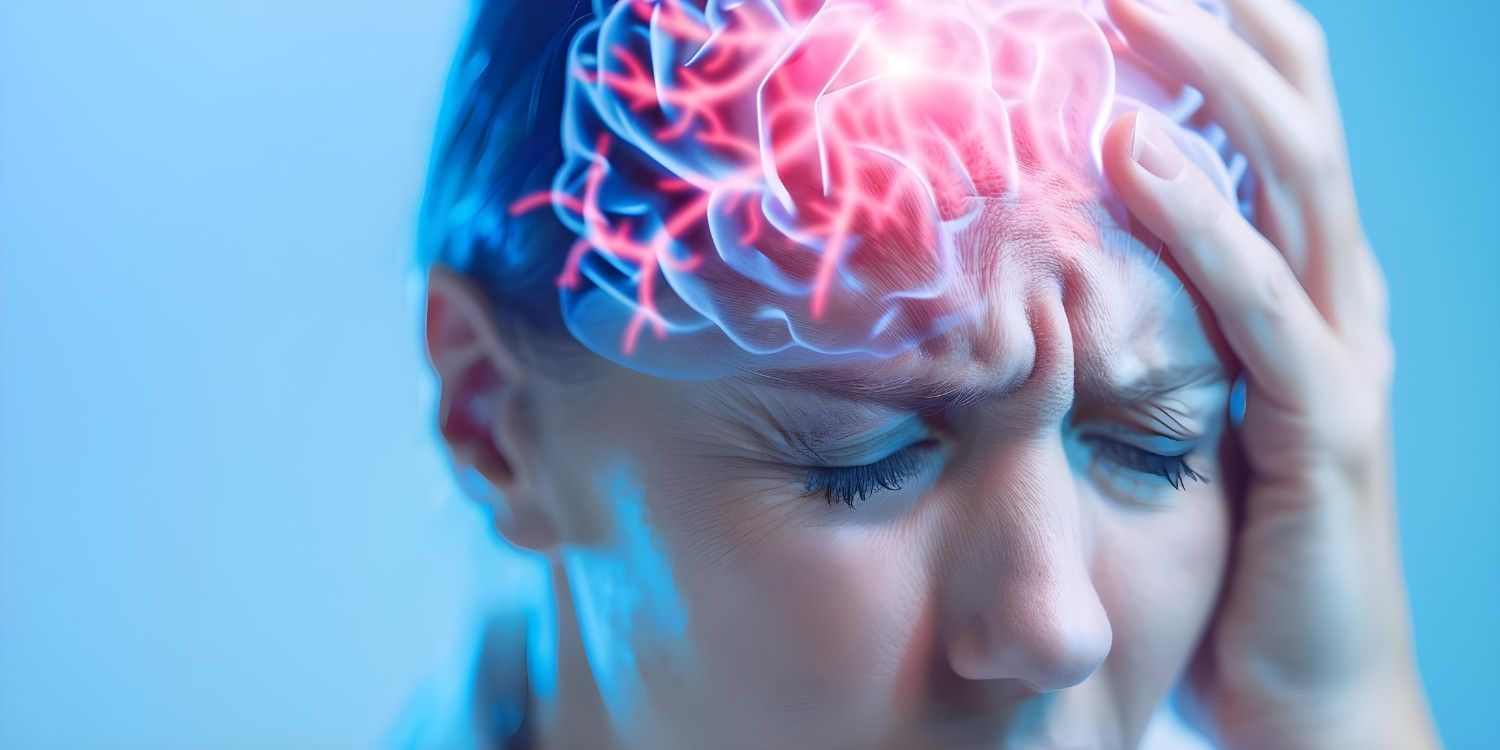
Learning Outcomes
What you'll learn
- Recognise the clinical features and syndromic presentation of encephalitis in adults and children
- Apply standard diagnostic criteria to identify suspected encephalitis cases early
- Outline appropriate emergency assessment and initial investigations, including indications for lumbar puncture and neuroimaging
- Interpret cerebrospinal fluid findings and differentiate between common causes of encephalitis
- Identify the role of complementary investigations and systemic evaluation in determining aetiology
- Explain the importance and diagnostic value of MRI in suspected encephalitis
- Describe the role of EEG in detecting seizures, guiding prognosis, and supporting diagnosis
- Integrate clinical, laboratory, and imaging findings to support timely and accurate diagnosis


Learning Outcomes
What you'll learn
- Recognise the clinical features and syndromic presentation of encephalitis in adults and children
- Apply standard diagnostic criteria to identify suspected encephalitis cases early
- Outline appropriate emergency assessment and initial investigations, including indications for lumbar puncture and neuroimaging
- Interpret cerebrospinal fluid findings and differentiate between common causes of encephalitis
- Identify the role of complementary investigations and systemic evaluation in determining aetiology
- Explain the importance and diagnostic value of MRI in suspected encephalitis
- Describe the role of EEG in detecting seizures, guiding prognosis, and supporting diagnosis
- Integrate clinical, laboratory, and imaging findings to support timely and accurate diagnosis
Modules
- Clinical Recognition and Syndromic Assessment
- Emergency Assessment and First-Line Investigations
- Extended Diagnostic Evaluation and Systemic Clues
- Role of Neuroimaging in Diagnosis (MRI Focus)
- Electroencephalography in Diagnosis and Monitoring
- Summary
Top reviews
No reviews yet.
You May Also Like






Learn Anytime
Anywhere
Experience the next level of learning with the Care Learning app. Available on Android and iOS.


Come and Work
with Us!
Join us as a healthcare trainer providing practical sessions to professionals and workers.
Apply for Trainer RoleIn-Person Practical
Healthcare Training
Enroll in our accredited, hands-on practical training sessions to deliver better patientcentred care.
Apply for TrainingRefer &
Earn Rewards.
Invite healthcare professionals to join Care Learning and earn rewards for every successful referral.
Frequently Asked Questions
Encephalitis is inflammation of the brain, usually caused by infections or autoimmune processes, leading to symptoms like confusion, seizures, and altered consciousness.
Suspect encephalitis in any patient with altered mental status lasting more than 24 hours without a clear cause, especially if fever, seizures, or neurological signs are present.
Lumbar puncture is the key diagnostic test, allowing analysis of cerebrospinal fluid to identify inflammation and possible infectious or autoimmune causes.
Early treatment, especially with antivirals like aciclovir, reduces the risk of severe complications, long-term neurological damage, and death.