

Introduction to Forensic Nursing
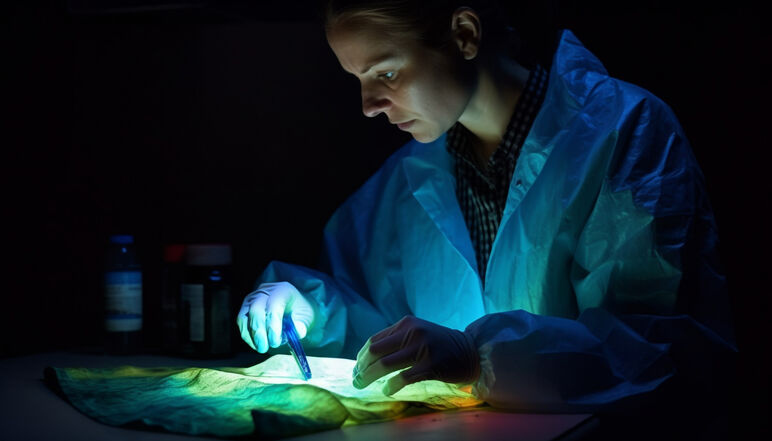
This course equips nurses with the essential skills to provide care and gather evidence in legal contexts, including the treatment of assault, abuse victims, and mental health patients involved in criminal cases. Key topics include trauma investigation, evidence documentation, child and elder abuse, and death investigation systems, helping nurses deliver competent care using forensic science principles.
Learning Outcomes
What you'll learn
- Define forensic nursing and its importance in healthcare and legal systems.
- Identify the steps and pathways involved in becoming a forensic nurse.
- Outline the roles and responsibilities of a forensic nurse in different legal and healthcare settings.
- Explain the concepts of risk management and quality improvement in forensic nursing practices.
- Discuss the importance and impact of forensic photography in documenting evidence.
- Describe the different categories and characteristics of child and elder abuse and their significance in forensic nursing.
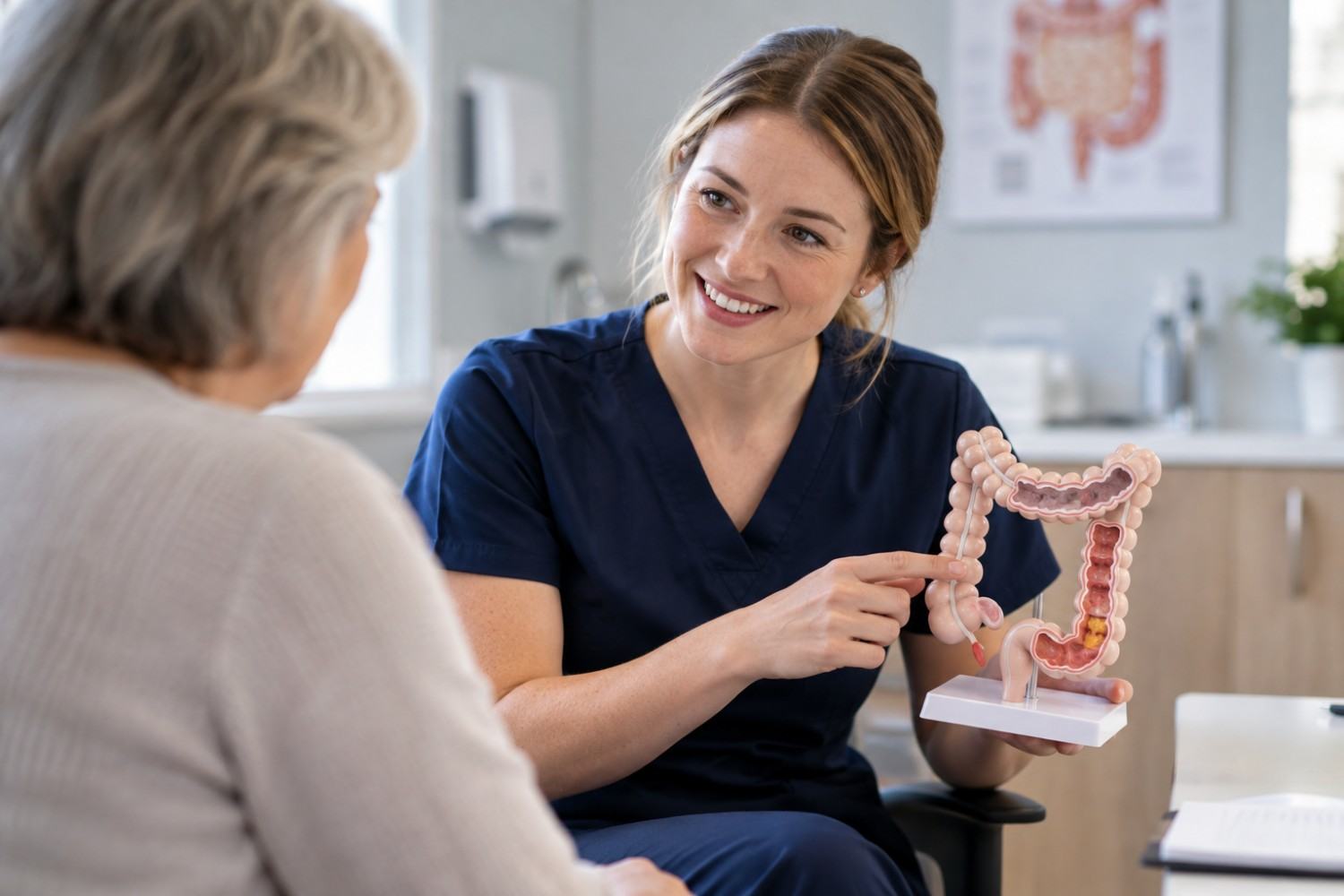
- Explain how to assess and address the needs of mentally ill patients, both met and unmet, in forensic settings.


Learning Outcomes
What you'll learn
- Define forensic nursing and its importance in healthcare and legal systems.
- Identify the steps and pathways involved in becoming a forensic nurse.
- Outline the roles and responsibilities of a forensic nurse in different legal and healthcare settings.
- Explain the concepts of risk management and quality improvement in forensic nursing practices.
- Discuss the importance and impact of forensic photography in documenting evidence.
- Describe the different categories and characteristics of child and elder abuse and their significance in forensic nursing.
- Explain how to assess and address the needs of mentally ill patients, both met and unmet, in forensic settings.
Modules
Module 1
Concept of Forensic Nursing
Module 2
Forensic Nursing Process
Module 3
Forensic Concerns in Medical Care
Module 4
Medico-Legal Skill Sets of Forensic Nurses
Module 5
Sexual Violence
Module 6
Trauma and Trauma-Informed Care
Module 7
Child Abuse
Module 8
Elder Abuse
Module 9
Clinical Psychology and Forensic Nursing
Module 10
Death Investigation in Forensic Nursing
Module 11
Summary

Top reviews
No reviews yet.
You May Also Like


Learn Anytime
Anywhere
Experience the next level of learning with the Care Learning app. Available on Android and iOS.


Come and Work
with Us!
Join us as a healthcare trainer providing practical sessions to professionals and workers.
Apply for Trainer RoleIn-Person Practical
Healthcare Training
Enroll in our accredited, hands-on practical training sessions to deliver better patientcentred care.
Apply for TrainingRefer &
Earn Rewards.
Invite healthcare professionals to join Care Learning and earn rewards for every successful referral.
Frequently Asked Questions
Forensic nursing combines nursing practice with forensic science and the legal system. Forensic nurses provide healthcare while recognising, documenting and preserving information relevant to legal investigations.
A forensic nurse may assess patients, document injuries, collect evidence, provide trauma-informed care and collaborate with legal or investigative professionals while maintaining patient dignity and safety.
Forensic photography provides accurate visual documentation of injuries and other relevant findings. Images can support clinical records and legal processes when taken and stored according to approved procedures.
Forensic nurses can assess and document suspected child or elder abuse, provide compassionate care, preserve evidence and follow safeguarding and reporting procedures according to applicable laws and policies.
Risk management in forensic nursing involves identifying hazards, assessing risks, following evidence-based procedures and improving care quality. It helps promote patient safety, staff safety and reliable documentation.