

Introduction to Precision Medicine
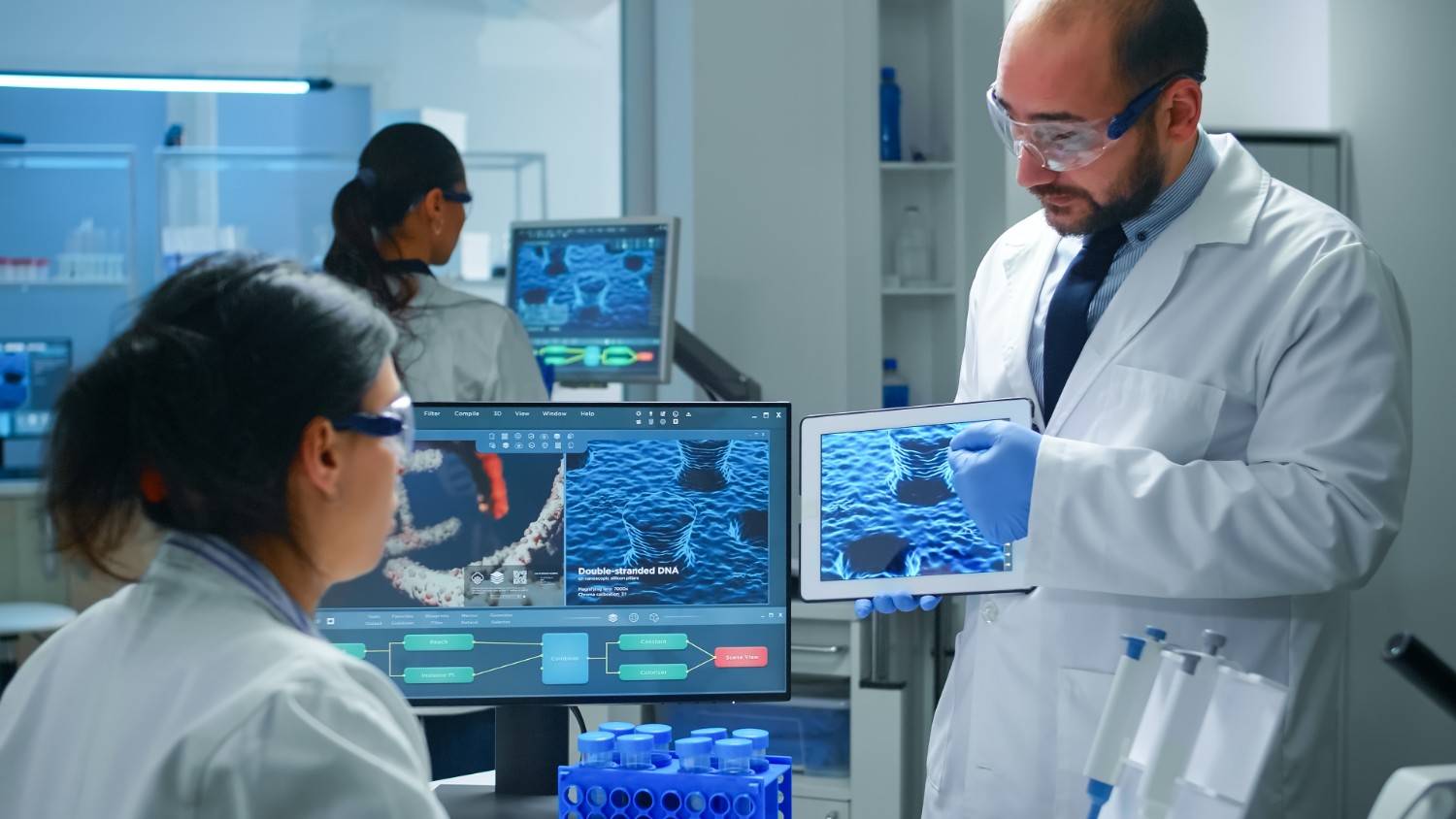
Precision medicine represents a major shift in modern healthcare, moving away from generalized treatment approaches toward deeply personalized care tailored to each individual. This course offers a clear and accessible introduction to how genetics, data science, and advanced diagnostics are transforming the way diseases are detected, prevented, and treated.
Learning Outcomes
What you'll learn
- Understand the core principles and evolution of personalized and precision healthcare.
- Explain how genomic information influences disease prediction and treatment customization.
- Recognize the role of data analytics and machine learning in improving diagnostic accuracy.
- Describe how multi-omics approaches integrate biological data to guide clinical decisions.
- Identify personalized strategies used in managing cardiovascular conditions.
- Evaluate the benefits, challenges, and ethical considerations associated with precision medicine.
- Apply foundational concepts of precision medicine to real-world clinical and healthcare scenarios.


Learning Outcomes
What you'll learn
- Understand the core principles and evolution of personalized and precision healthcare.
- Explain how genomic information influences disease prediction and treatment customization.
- Recognize the role of data analytics and machine learning in improving diagnostic accuracy.
- Describe how multi-omics approaches integrate biological data to guide clinical decisions.
- Identify personalized strategies used in managing cardiovascular conditions.
- Evaluate the benefits, challenges, and ethical considerations associated with precision medicine.
- Apply foundational concepts of precision medicine to real-world clinical and healthcare scenarios.
Modules
Module 1
Overview of Modern Personalized Healthcare
Module 2
Genomic Science and Its Role in Treatment Customization
Module 3
Data-Driven Approaches in Precision Diagnosis
Module 4
Integrating Multi-Omics for Individualized Care
Module 5
Advanced Strategies in Cardiovascular Personalization
Module 6
Summary

Top reviews
No reviews yet.
You May Also Like






Learn Anytime
Anywhere
Experience the next level of learning with the Care Learning app. Available on Android and iOS.


Come and Work
with Us!
Join us as a healthcare trainer providing practical sessions to professionals and workers.
Apply for Trainer RoleIn-Person Practical
Healthcare Training
Enroll in our accredited, hands-on practical training sessions to deliver better patientcentred care.
Apply for TrainingRefer &
Earn Rewards.
Invite healthcare professionals to join Care Learning and earn rewards for every successful referral.
Frequently Asked Questions
Personalized healthcare tailors treatments to an individual’s genetic makeup, lifestyle, and environment, allowing for more accurate, effective, and targeted medical care compared to traditional one-size-fits-all approaches.
Genomic testing identifies genetic variations, disease risks, and how a person responds to medications. This allows clinicians to select the most effective drugs, dosages, and interventions for each individual.
Data-driven diagnosis uses AI, machine learning, and integrated health data—such as genomics, imaging, and wearable device data—to improve diagnostic accuracy, enable early detection, and support personalized treatment plans.
Multi-omics integrates data from genes, proteins, metabolites, and RNA to provide a comprehensive view of a patient’s biology. This allows for deeper disease insights and more precise, personalized treatment strategies.