NA
5Navneet
User from
I completed it.
Posted on 16/05/2026
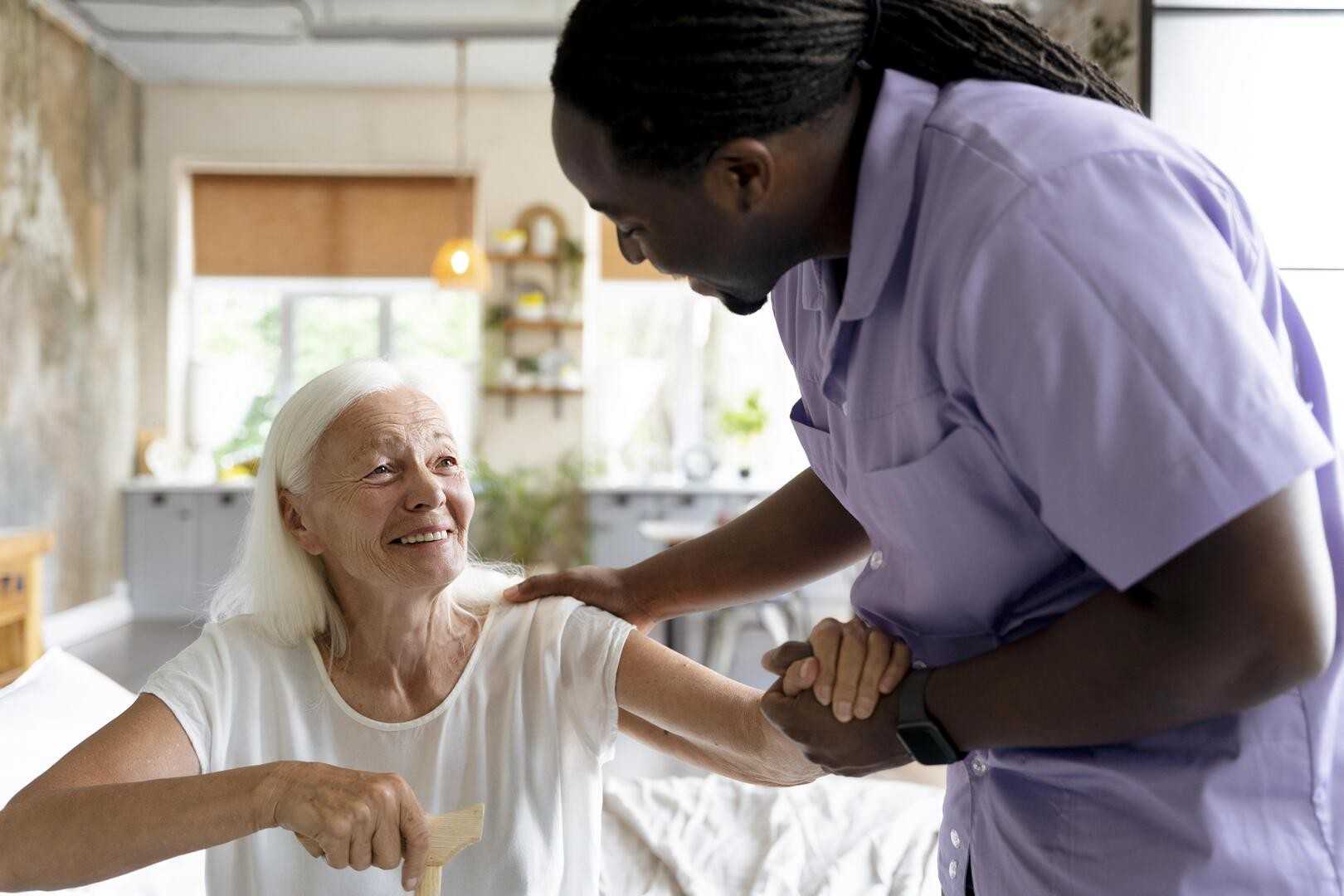
The Manual Handling Theory L1 & L2 course provides essential knowledge for safe moving and handling in healthcare and workplace settings. It covers key manual handling legislation, safe practices for moving and supporting people and objects, individual responsibilities, practical competency requirements, and the correct reporting of manual handling incidents. The course helps learners understand the principles of safer manual handling and the importance of being assessed as competent before undertaking practical moving and handling tasks.
















User from
I completed it.
Posted on 16/05/2026

User from
Excellent
Posted on 18/03/2026
User from
great
Posted on 14/04/2026
User from
I completed it.
Posted on 16/05/2026
User from
Excellent
Posted on 18/03/2026
User from
great
Posted on 14/04/2026
Experience the next level of learning with the Care Learning app. Available on Android and iOS.


Join us as a healthcare trainer providing practical sessions to professionals and workers.
Apply for Trainer RoleEnroll in our accredited, hands-on practical training sessions to deliver better patientcentred care.
Apply for TrainingInvite healthcare professionals to join Care Learning and earn rewards for every successful referral.
Manual Handling Theory L1 & L2 is training that covers safe moving and handling practices, relevant legislation, personal responsibilities, incident reporting, and supporting people and objects safely.
Manual handling training is suitable for healthcare and care workers, employees involved in moving people or objects, and anyone whose role involves manual handling activities.
The course covers manual handling legislation, safe moving techniques, individual responsibilities, practical competency requirements, and reporting manual handling incidents.
Yes. Learners should be assessed and confirmed as competent before performing practical moving and handling tasks, particularly when supporting people in care settings.
Manual handling training helps workers understand safer ways to move, handle, and support people and objects while reducing risks to themselves and those receiving care.