

Safety & Risk Management
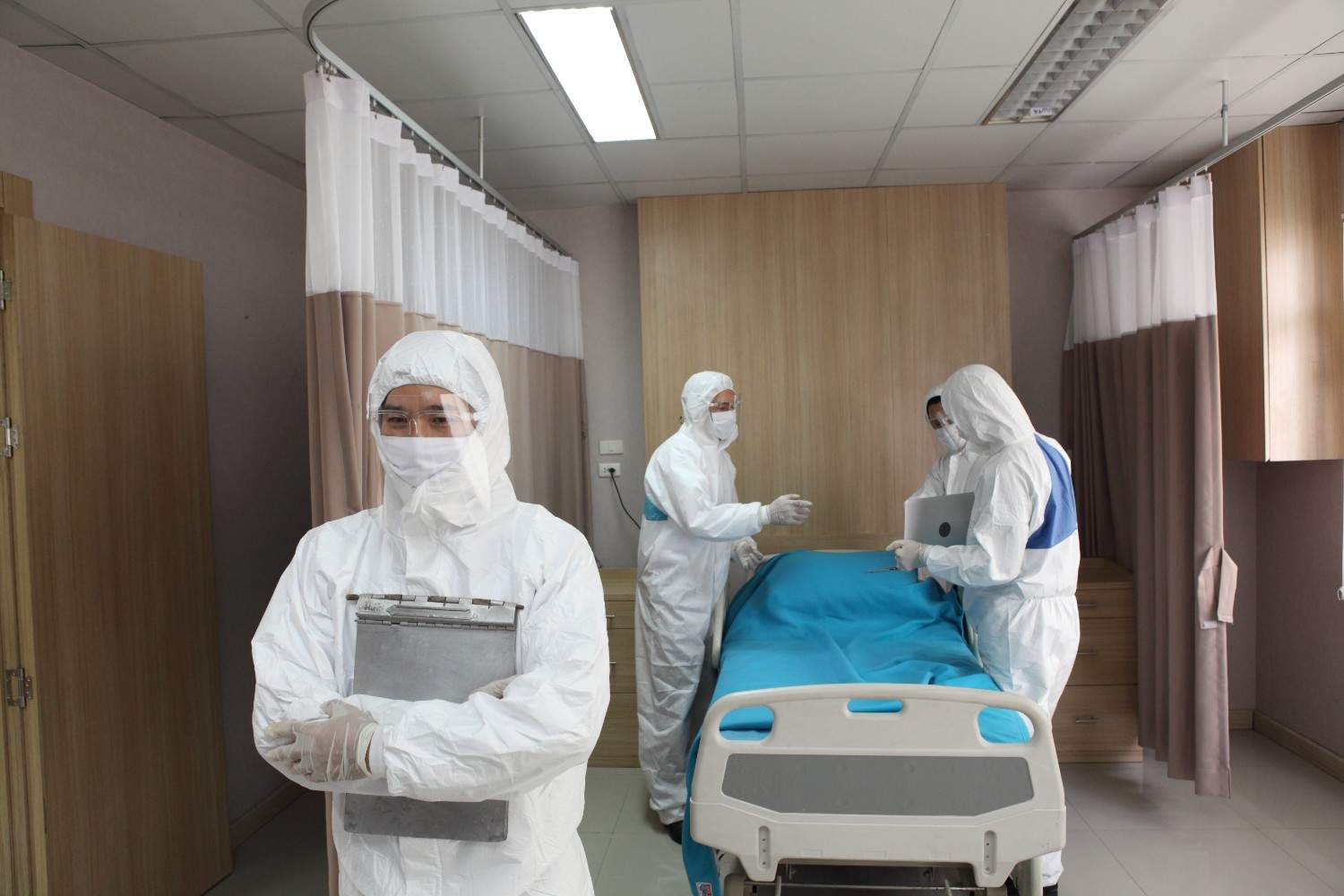
This course provides healthcare staff with essential knowledge and practical skills to identify, assess, and manage risks in clinical environments. Learners will develop confidence in applying safe practices, promoting a strong safety culture, and ensuring high-quality patient care.
Learning Outcomes
What you'll learn
- Understand Healthcare Risks: Identify and assess clinical, operational, medication, and safety hazards in hospital and theatre environments.
- Apply Risk Management & Assessment: Implement proactive and reactive risk management strategies, including risk assessment, control measures, and main
- Ensure Legal & Safety Compliance: Understand health and safety legislation in Ireland, nursing responsibilities, and organizational safety requirement
- Promote Safe Practices: Follow infection prevention, manual handling, fire safety, medication safety, and theatre-specific protocols to protect patien
- Foster Communication & Safety Culture: Use structured communication, escalation, and teamwork strategies to enhance situational awareness and support


Learning Outcomes
What you'll learn
- Understand Healthcare Risks: Identify and assess clinical, operational, medication, and safety hazards in hospital and theatre environments.
- Apply Risk Management & Assessment: Implement proactive and reactive risk management strategies, including risk assessment, control measures, and main
- Ensure Legal & Safety Compliance: Understand health and safety legislation in Ireland, nursing responsibilities, and organizational safety requirement
- Promote Safe Practices: Follow infection prevention, manual handling, fire safety, medication safety, and theatre-specific protocols to protect patien
- Foster Communication & Safety Culture: Use structured communication, escalation, and teamwork strategies to enhance situational awareness and support
Modules
- Core Principles of Risk Management
- Incident Reporting & Investigation
- Health & Safety Legislation (Ireland)
- Risk Assessment Process
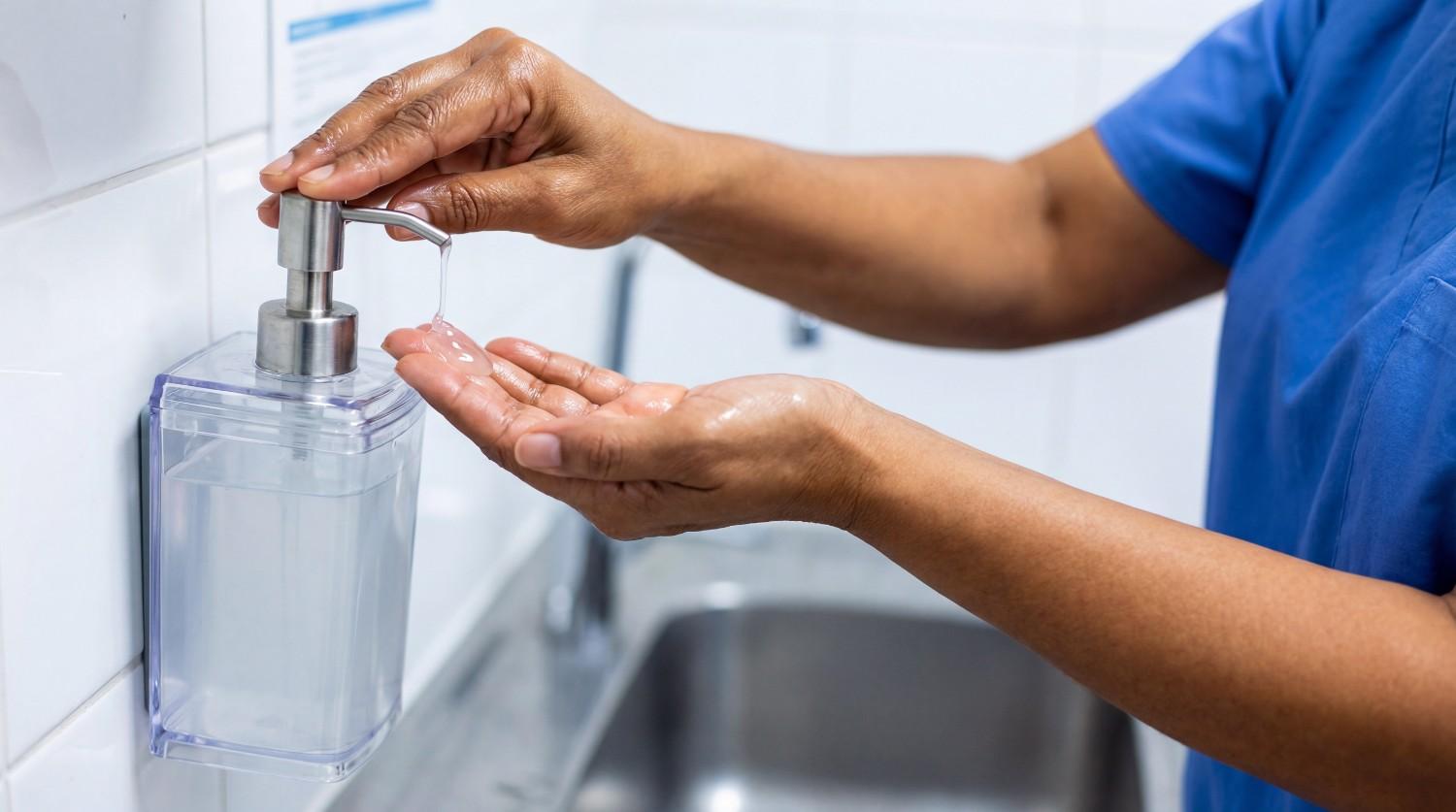
- Infection Prevention & Environmental Safety
- Manual Handling & Ergonomics
- Fire Safety & Emergency Response
- Medication Safety Risks
- Theatre-Specific Risk Management
- Communication & Team Safety
- Human Factors in Healthcare
- Human Factors in Healthcare
- Summary

Top reviews
No reviews yet.
You May Also Like


Learn Anytime
Anywhere
Experience the next level of learning with the Care Learning app. Available on Android and iOS.


Come and Work
with Us!
Join us as a healthcare trainer providing practical sessions to professionals and workers.
Apply for Trainer RoleIn-Person Practical
Healthcare Training
Enroll in our accredited, hands-on practical training sessions to deliver better patientcentred care.
Apply for TrainingRefer &
Earn Rewards.
Invite healthcare professionals to join Care Learning and earn rewards for every successful referral.
Frequently Asked Questions
Risk management helps prevent harm to patients and staff by identifying and reducing potential hazards. It improves safety, quality of care, and supports legal and professional compliance.
A near miss is an incident that could have caused harm but did not. An adverse event results in unintended harm to a patient and may require treatment or cause injury.
Nurses must provide safe care, follow safety policies, attend required training, and report hazards or incidents in line with HSA and NMBI requirements.
Clear communication tools like SBAR and timely escalation reduce errors, improve teamwork, and ensure patient concerns are addressed quickly and safely.