

Spirometry in practice
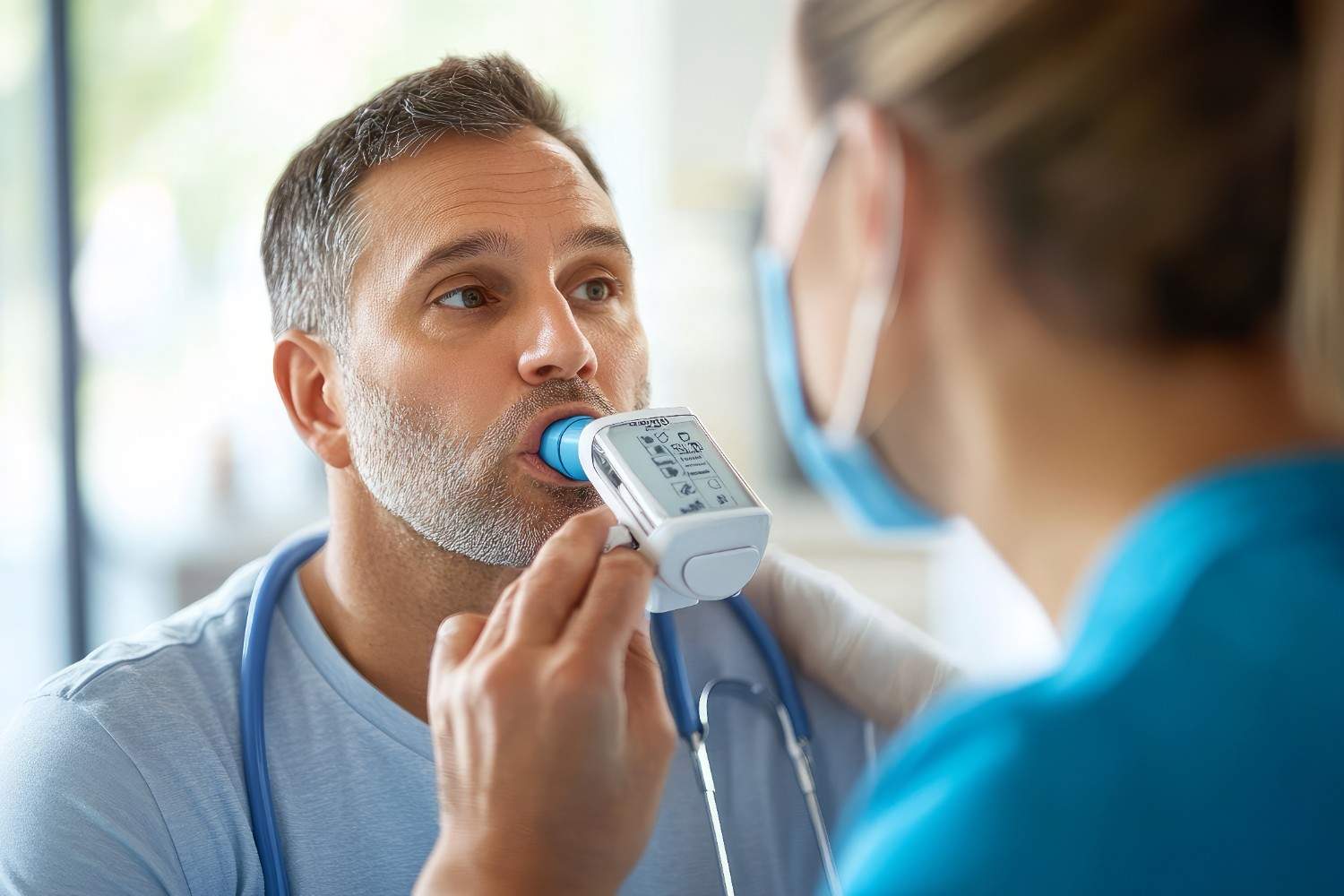
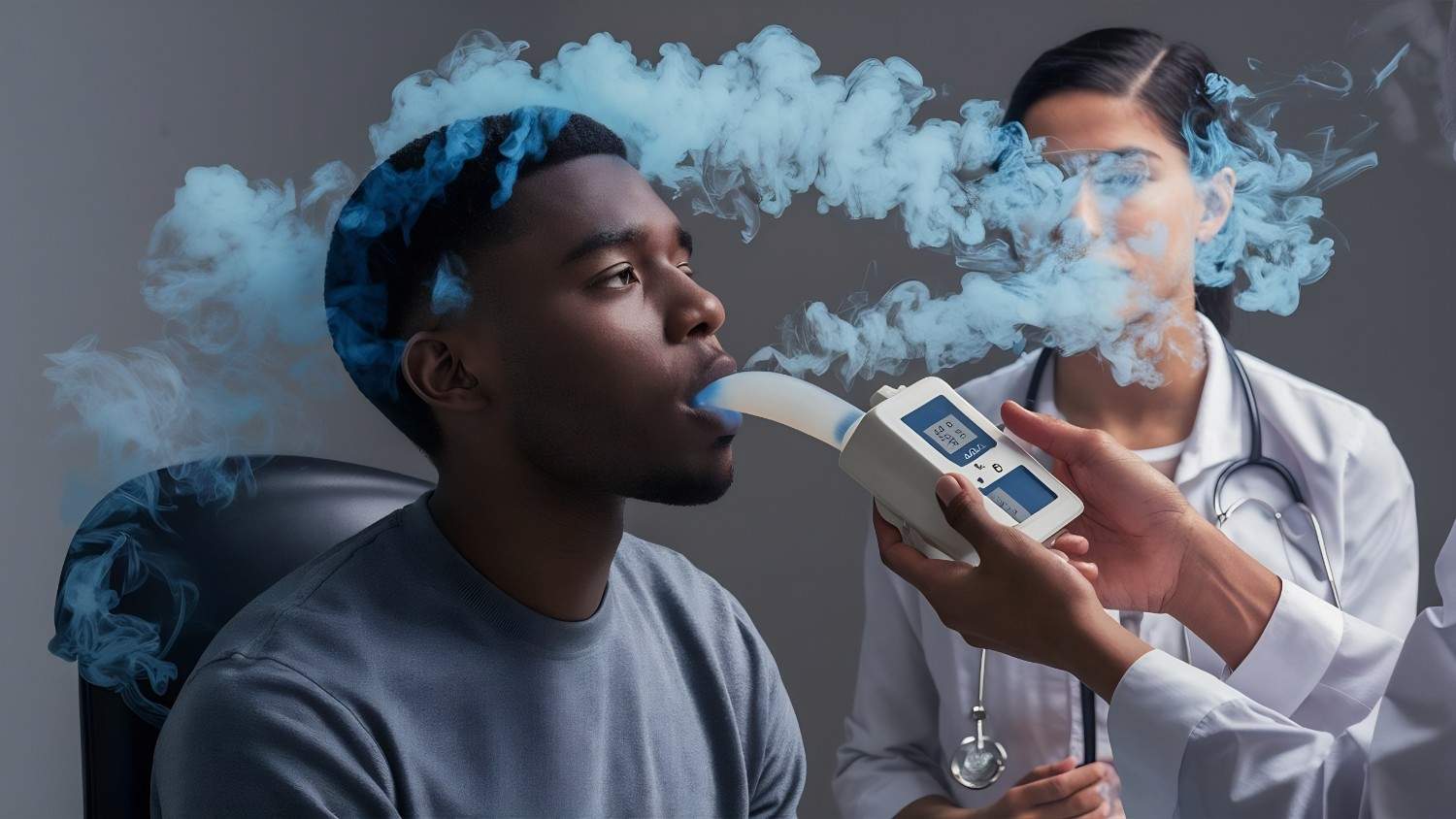
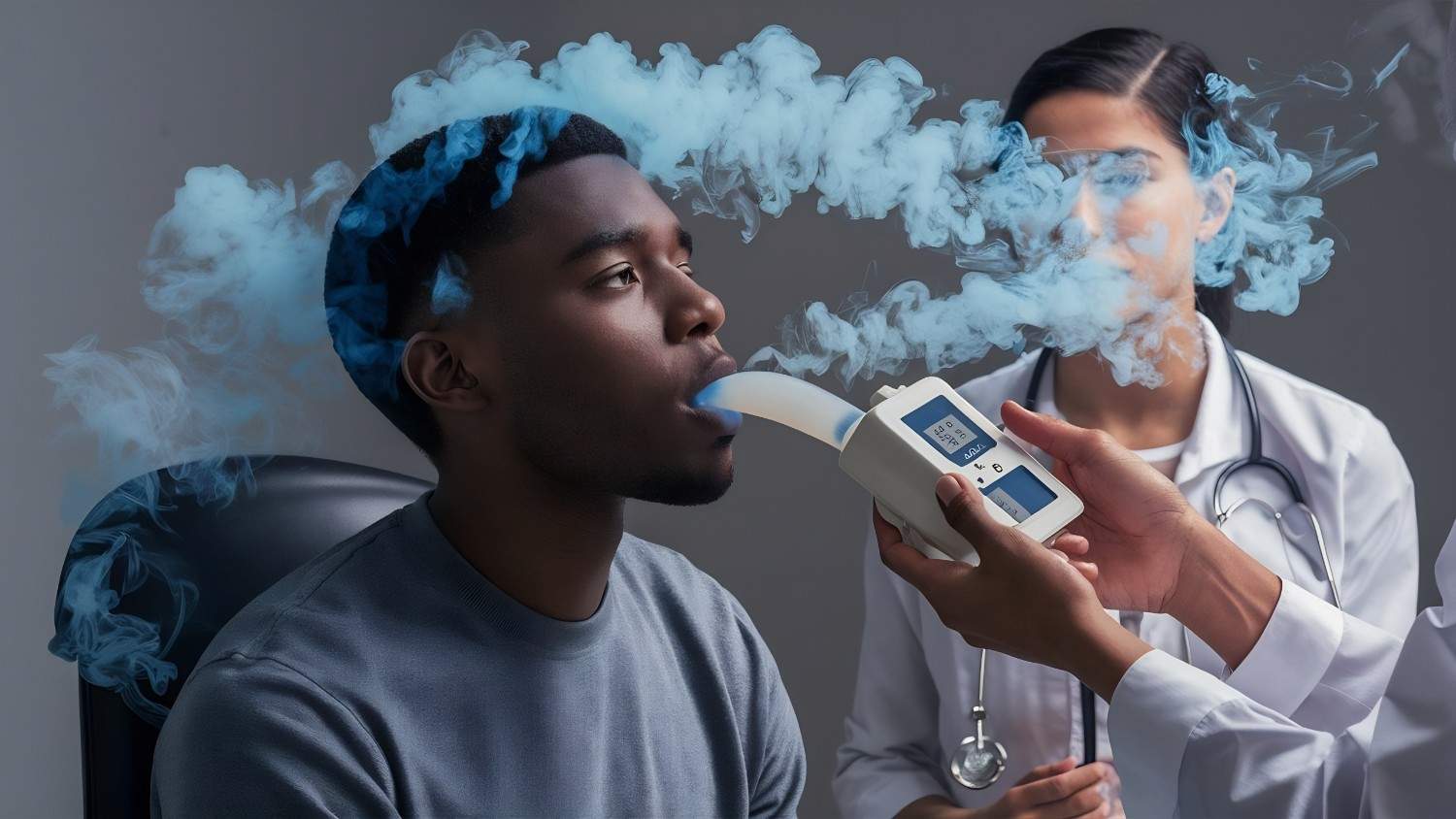
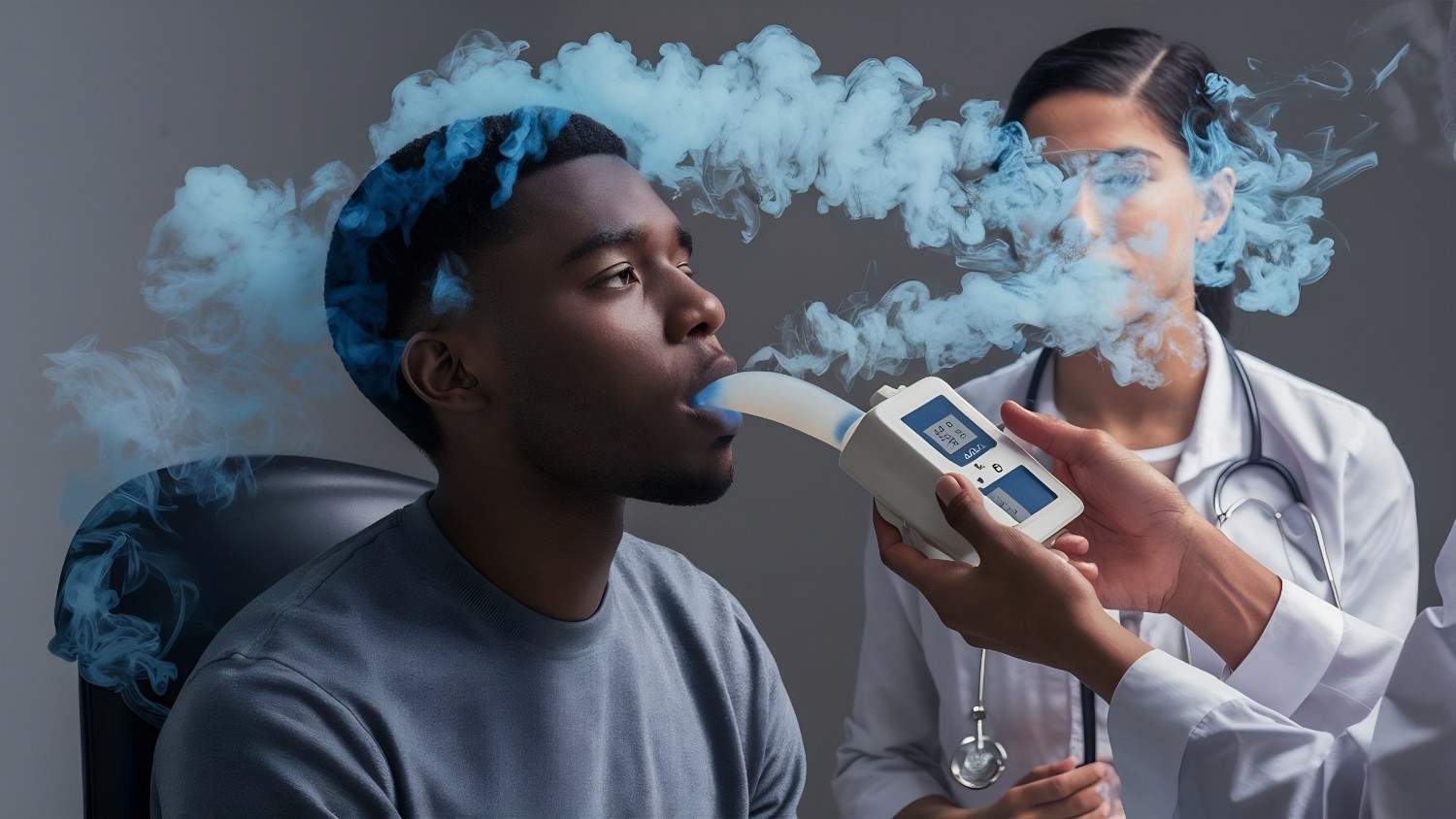
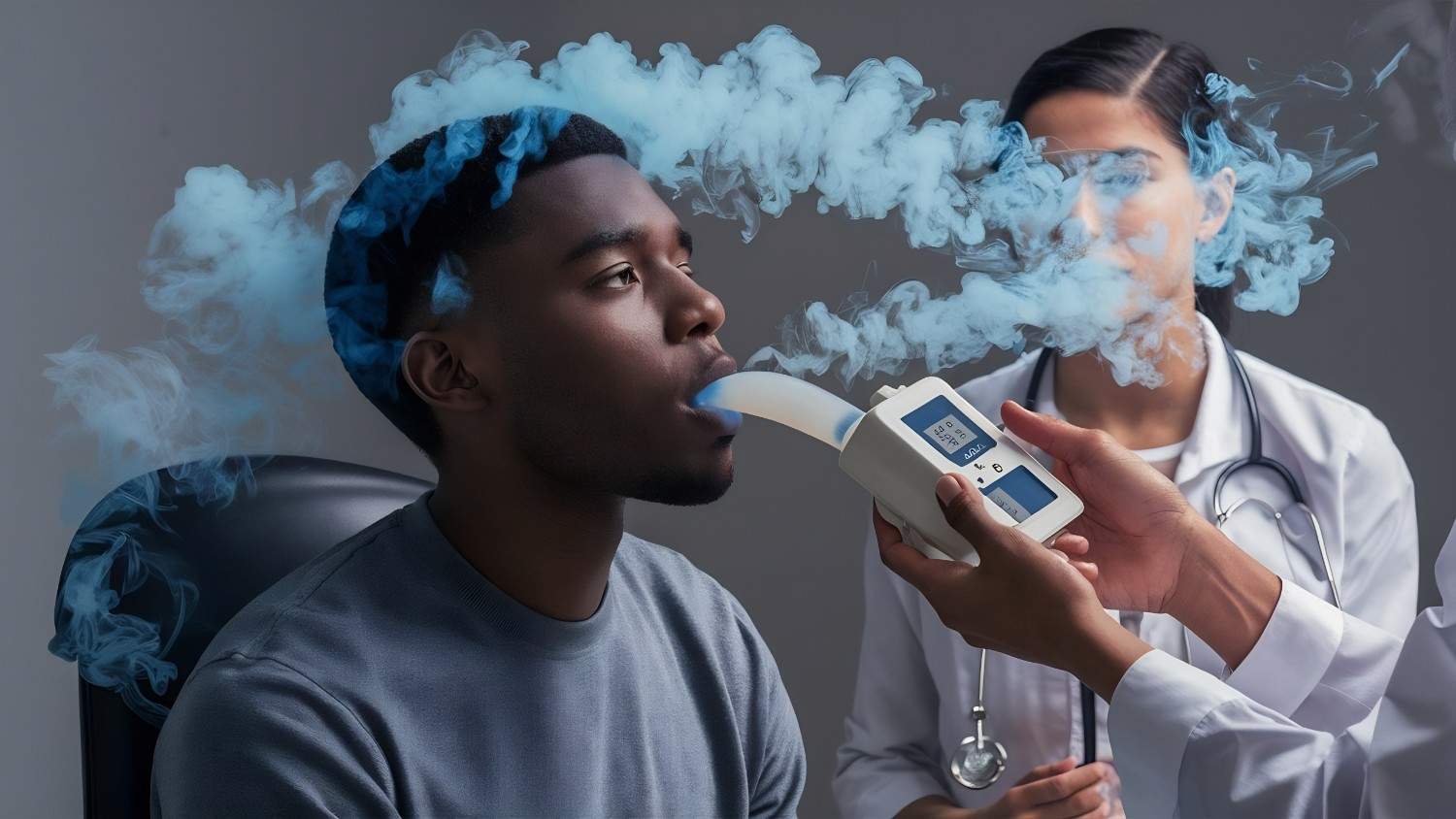
This course on Spirometry in Practice equips healthcare professionals with the knowledge and skills to perform and interpret spirometry tests. It covers key spirometry principles, measurements, and the differentiation between obstructive and restrictive lung diseases. Participants will learn to interpret results, distinguish between asthma and COPD, and know when to refer patients for specialist care, enhancing their competence in diagnosing and managing respiratory conditions.
Learning Outcomes
What you'll learn
- Understand the role of spirometry in diagnosing, evaluating, and monitoring lung function and respiratory diseases.
- Gain proficiency in performing spirometry tests following established guidelines and best practices.
- Learn how to prepare the patient and spirometry equipment to ensure accurate and reliable results.
- Interpret spirometry results, including FEV1, FVC, PEF, and FEV1/FVC ratio, to identify normal, obstructive, or restrictive lung patterns.
- Differentiate between obstructive and restrictive lung diseases using spirometry data.
- Understand how to calculate and interpret the FEV1/FVC ratio and other spirometry measurements in relation to normal values.
- Apply spirometry to diagnose common respiratory diseases, including asthma, COPD, and restrictive lung diseases.
- Differentiate between asthma and COPD based on spirometry findings, including reversibility testing.
- Recognize when to refer patients for further diagnostic tests or specialist care based on spirometry results.
- Enhance patient management through the regular use of spirometry for disease monitoring and treatment evaluation.


Learning Outcomes
What you'll learn
- Understand the role of spirometry in diagnosing, evaluating, and monitoring lung function and respiratory diseases.
- Gain proficiency in performing spirometry tests following established guidelines and best practices.
- Learn how to prepare the patient and spirometry equipment to ensure accurate and reliable results.
- Interpret spirometry results, including FEV1, FVC, PEF, and FEV1/FVC ratio, to identify normal, obstructive, or restrictive lung patterns.
- Differentiate between obstructive and restrictive lung diseases using spirometry data.
- Understand how to calculate and interpret the FEV1/FVC ratio and other spirometry measurements in relation to normal values.
- Apply spirometry to diagnose common respiratory diseases, including asthma, COPD, and restrictive lung diseases.
- Differentiate between asthma and COPD based on spirometry findings, including reversibility testing.
- Recognize when to refer patients for further diagnostic tests or specialist care based on spirometry results.
- Enhance patient management through the regular use of spirometry for disease monitoring and treatment evaluation.
Modules
Module 1
Overview of Spirometry
Module 2
Conducting Spirometry
Module 3
Obstructive Lung Disease Causes
Module 4
Restrictive Lung Disease Causes
Module 5
Distinguishing Asthma from COPD
Module 6
When to Seek Specialist Consultation
Module 7
Summary
Top reviews
No reviews yet.
You May Also Like



Learn Anytime
Anywhere
Experience the next level of learning with the Care Learning app. Available on Android and iOS.


Come and Work
with Us!
Join us as a healthcare trainer providing practical sessions to professionals and workers.
Apply for Trainer RoleIn-Person Practical
Healthcare Training
Enroll in our accredited, hands-on practical training sessions to deliver better patientcentred care.
Apply for TrainingRefer &
Earn Rewards.
Invite healthcare professionals to join Care Learning and earn rewards for every successful referral.
Frequently Asked Questions
The course covers topics such as performing spirometry, understanding obstructive and restrictive lung diseases, interpreting spirometry results, and differentiating between asthma and COPD.
Yes, you will receive a certification upon completing the Spirometry in Practice course.
To register, log in or sign in to your Care Learning account using your email and password. If you're new, create an account at care-learning.com to get started.
Yes, this course is ideal for healthcare professionals involved in diagnosing and managing respiratory diseases, such as asthma and COPD, using spirometry.