9 Common Workplace Injuries: Causes, Risks and How to Prevent Them
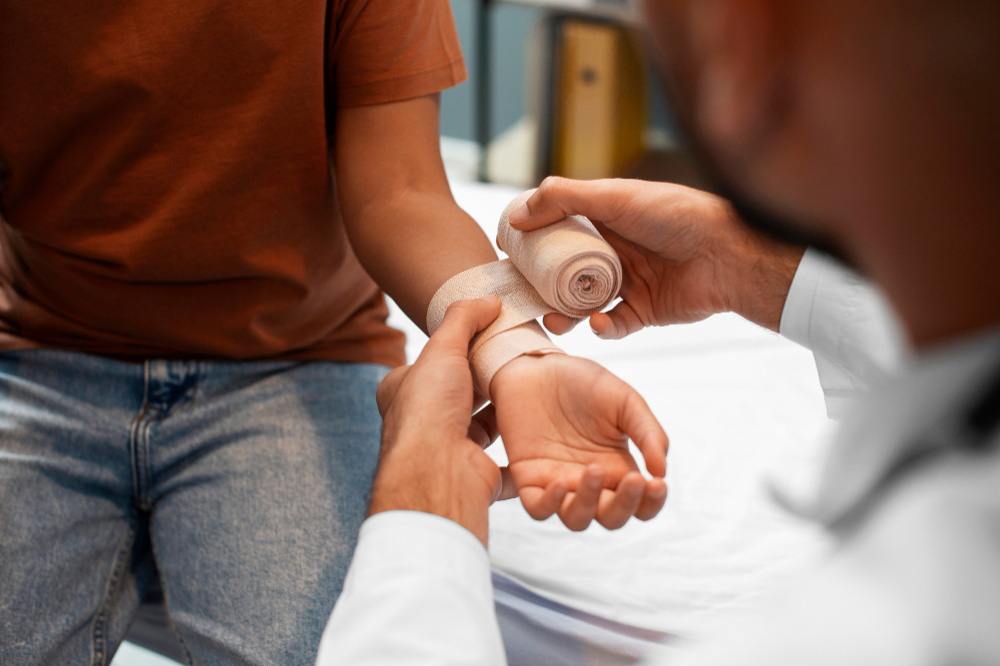
Workplace safety is essential for protecting employees, reducing accidents and maintaining a healthy working environment. Common workplace injuries can happen to people in many different jobs, such as healthcare, construction, manufacturing, hospitality, and office work. Some accidents happen quickly because of dangerous situations, while others build up over time from doing the same job again and again or following bad work habits. Knowing the risks and taking proper steps can keep workers safe and help bosses make better work environments.
1. Slips, Trips and Falls
Slips, trips, and falls are common accidents that can occur in almost any workplace. Wet floors, bumpy ground, hanging wires, messy paths, and stairs that are not well taken care of can make it more likely for someone to have an accident. Poor lighting and wrong shoes can also lead to these accidents.
Employees might get bruises, sprains, broken bones, or head injuries depending on the situation. Some accidents might need medical help and take a long time to recover from.
How to prevent them:
- Clean up any spills right away and put up signs to warn people about wet areas.
- Keep the corridors, entrances, and emergency exits free from any blocks or obstacles.
- Repair damaged flooring and improve lighting.
- Wear appropriate footwear with slip-resistant soles.
2. Musculoskeletal Injuries
Musculoskeletal injuries affect muscles, bones, joints, tendons and ligaments. They often develop through heavy lifting, repeated movements, uncomfortable working positions or spending long periods sitting or standing.
Employees may experience pain or stiffness in their backs, shoulders, necks and joints. Healthcare professionals can develop these problems while transferring patients, assisting with mobility or repositioning individuals. Office employees may also experience physical strain when their chairs, desks and computer equipment do not provide proper support.
Ways to reduce the risk:
- Apply proper methods when lifting, carrying or moving objects.
- Set up desks, chairs and equipment to encourage good posture.
- Include short movement breaks throughout the workday.
- Use mechanical aids when handling heavy loads.
- Seek assistance when tasks involve difficult or strenuous movements.
3. Cuts, Lacerations and Puncture Wounds
Sharp tools, broken glass, machinery and medical instruments can cause injuries that damage the skin. These incidents are common in construction, manufacturing, kitchens, laboratories and healthcare facilities.
Some injuries only affect the outer layer of the skin, while deeper wounds may damage blood vessels, tendons or nerves. Healthcare workers may also be exposed to infection through accidental contact with contaminated needles, sharp medical instruments or other hazardous materials.
How to prevent them:
- Exercise due caution when handling sharp instruments and strictly adhere to established workplace safety protocols.
- Wear suitable protective gloves when necessary.
- Blades and other sharp implements must be secured in a safe manner.
- All spent needles must be discarded within designated, approved sharps receptacles.
- Sharp items must never be left within reach of anyone who might inadvertently come into contact with them.
4. Burns and Scalds
Burns can happen when someone touches hot surfaces, steam, boiling liquids, chemicals, or electrical devices. These dangers are especially important in places like restaurants, hospitals, labs, and factories.
How bad an injury is can depend on where it came from and how long someone was exposed to it. Severe burns can harm deeper parts of the skin and tissues, and some chemicals can hurt the eyes and make it hard to breathe.
How to prevent them:
- Follow safety instructions when operating heated equipment.
- Store chemicals securely and follow their handling guidelines.
- Wear suitable protective clothing, gloves and eye protection.
- Keep hot liquids away from busy walkways.
- Train employees to recognise burn hazards and follow emergency procedures.
5. Injuries Caused by Repetitive Movements
Repeatedly carrying out the same physical activities without allowing sufficient recovery time can place continuous strain on the body. Tasks such as operating machinery, typing, sorting materials and performing routine manual work may gradually lead to these injuries.
Employees might start feeling things like constant pain, stiff muscles, tingling, weaker grip, or trouble moving parts of their body. Doing the same task over and over for a long time can also lead to problems like carpal tunnel syndrome and inflamed tendons.
How to prevent them:
- Rotate tasks where possible to reduce repeated movements.
- Take short breaks throughout the working day.
- Maintain comfortable wrist, arm and shoulder positions.
- Use ergonomic equipment suited to the task.
- Report ongoing discomfort before it becomes more difficult to manage.
6. Falls While Working at Elevated Levels
Employees working on ladders, scaffolding, raised platforms or other elevated surfaces face the risk of serious falls. These incidents may occur because of damaged equipment, insufficient training, missing safety barriers or failure to follow established procedures.
Falls from height can cause fractures, spinal damage, head injuries and other serious complications. Workers in construction, maintenance and warehouse environments may face these hazards during routine duties.
How to prevent them:
- Use approved ladders, platforms and fall protection equipment.
- Check equipment before starting work.
- Install suitable guardrails and protective barriers.
- Provide appropriate training for working at height.
- Remove damaged equipment from service immediately.
7. Struck-by and Caught-in Injuries
These accidents occur when employees are hit by moving objects or become trapped between machinery, equipment or materials. They are common risks in construction sites, factories, warehouses and transport facilities.
Moving vehicles, falling materials, unguarded machinery and poorly organised workspaces can contribute to these incidents. Injuries may include fractures, crushing injuries, deep wounds and internal injuries.
Measures to prevent these incidents:
Install barriers around machines to help prevent people from touching them by accident.
Create special paths for people to walk so they don't get near moving cars.
Make sure the loads are steady and safely fastened before you start moving them.
Make sure to wear the right protective equipment, like helmets and safety shoes.
Follow the safety rules for the equipment and be careful to notice any warning signals.
8. Electrical Injuries
Electrical accidents can happen if workers come into contact with wires that are not covered, equipment that isn't working properly, cables that are broken, or electrical systems that aren't kept in good condition. Even a short touch with an electric source can lead to serious injury.
An electric shock may result in burns, muscle damage, falls or complications affecting the heart. These risks are particularly important in construction, maintenance, manufacturing and workplaces where electrical equipment is used near water.
How to prevent them:
- Arrange regular inspections of electrical installations and equipment.
- Replace damaged cables, plugs and sockets without delay.
- Keep electrical equipment away from water.
- Avoid overloading power outlets.
- Ensure qualified personnel carry out electrical repairs.
- Follow appropriate isolation procedures before maintenance.
9. Workplace-Related Respiratory Problems
Workplace respiratory conditions can develop through exposure to dust, fumes, chemicals, smoke, vapours and other airborne substances. Construction workers, cleaners, laboratory employees and manufacturing staff may encounter these hazards during everyday tasks.
Prolonged exposure can contribute to breathing difficulties, occupational asthma and other lung conditions. Poor ventilation may also allow harmful substances to build up in enclosed workspaces.
How to prevent them:
- Improve airflow and set up proper ventilation systems.
- Identify and control hazardous airborne substances.
- Provide appropriate respiratory protective equipment.
- Follow the safety instructions for handling chemicals and take steps to control how much you are exposed to them.
- Set up health checks when workplace dangers require them.
What Should Employees Do After a Workplace Injury?
Responding appropriately after an accident can prevent further harm and help employees receive the support they need. Knowing basic first aid procedures is particularly important when professional medical assistance is not immediately available.
Employees should take the following actions when a workplace accident occurs:
- Pause the task: Stop working and move away from the source of danger if it is safe.
- Evaluate the circumstances: Look for potential hazards and identify anyone who may need immediate help.
- Give first aid: Get help from a trained first aider and don't move anyone who may have a serious injury unless they are in danger by staying where they are.
- Get medical help right away if the situation needs immediate attention. Arrange for emergency medical care.
- Notify the appropriate person: Inform the manager, supervisor or workplace safety officer about the incident.
- Keep an incident record: Note the events, injuries sustained and any factors that may have contributed to the accident.
- Follow the recovery plan: Continue with the prescribed treatment and observe medical recommendations before resuming normal duties.
Employers should also investigate workplace incidents, identify contributing factors and introduce measures to prevent similar accidents.
How First Aid Training Helps Prevent Workplace Risks
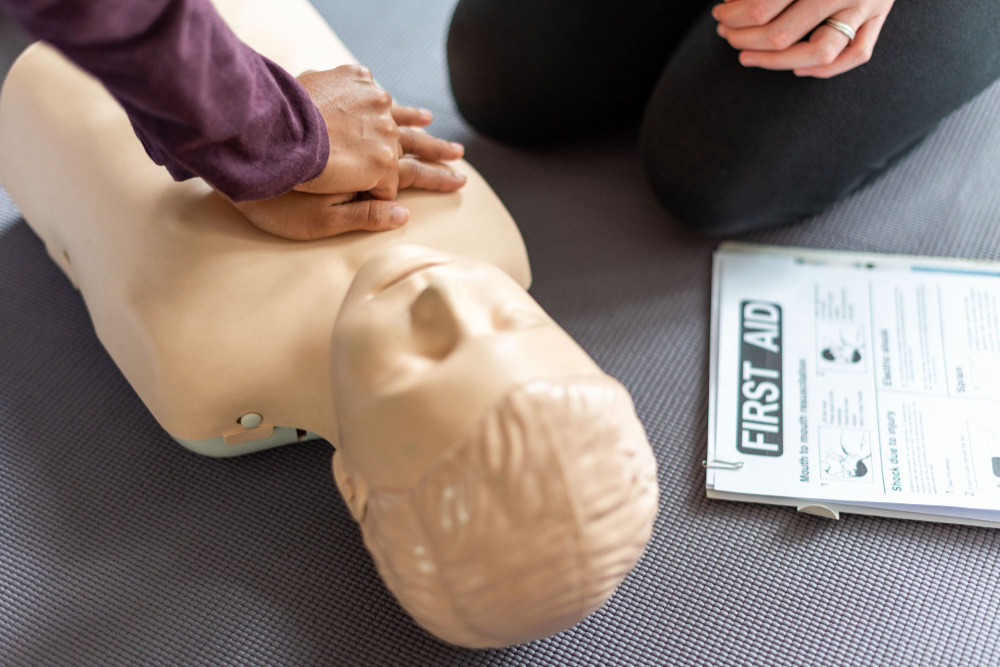
First aid training teaches workers how to help someone who gets hurt or feels very unwell all of a sudden. It helps them spot emergencies, offer quick help, and know when to get professional medical help.
Training can also strengthen workplace awareness by helping employees recognise hazards and follow safer working practices.
Some useful training options include:
- HLTAID011 – First Aid: Covers essential knowledge and practical skills for responding to common injuries, illnesses and medical emergencies.
- HLTAID009 – CPR: Focuses on recognising cardiac arrest, performing cardiopulmonary resuscitation and responding to life-threatening emergencies.
- First Aid for Workplace Injuries: Helps employees understand how to respond to incidents such as burns, cuts, falls, sprains and other work-related injuries.
Employers must ascertain the training mandates pertinent to their specific sector and the duties incumbent upon their workforce. Regular training updates and hands-on tests can help workers keep their skills fresh and feel more confident during emergencies.
Conclusion
Workplace injuries can harm how healthy an employee is, make them feel less sure about their abilities, and reduce how much they can get done at work. Many accidents can be prevented by doing proper risk checks, using safe tools, taking the right safety steps, and having regular training. Both employers and workers have a role in identifying dangers and ensuring that work is done safely.
Care Learning is a website where you can get free professional development courses and helpful information on various healthcare and career growth subjects. Look for useful learning opportunities, boost your understanding, and gain real-world skills that help make work environments safer. Apply or register today.
Frequently Asked Questions
1. Which nine categories of workplace injuries are most commonly documented?
Common workplace accidents happen when people fall, get hurt from heavy lifting, get cut or stuck by sharp objects, get burned, suffer from injuries caused by repeated motions, fall from high places, get hurt by machines, experience electric shocks, or develop breathing problems because of work conditions.
2. What are the main causes of workplace injuries?
Poor housekeeping, unsafe equipment, inadequate training, repetitive tasks, incorrect handling techniques and exposure to workplace hazards can all contribute to injuries.
3. How can employees reduce the risk of getting injured at work?
Employees should follow safety procedures, use appropriate protective equipment, maintain safe working positions, report hazards and attend relevant training.
4. What first aid training is useful for workplace emergencies?
Training such as HLTAID011 – First Aid and HLTAID009 – CPR helps employees develop essential skills for responding to injuries and medical emergencies.
5. Why should employers provide workplace first aid training?
First aid training helps employees recognise emergencies, provide immediate assistance and understand the appropriate steps to take while arranging further medical support.