Looking for CPR Training? Explore the HLTAID009 Practical Course
Knowing how to respond when someone suddenly stops breathing normally can make a critical difference in an emergency. CPR training helps individuals develop the knowledge and practical skills needed to recognise a cardiac emergency, begin cardiopulmonary resuscitation (CPR) and use an automated external defibrillator (AED) when appropriate. In Australia, the HLTAID009 course provides focused training in performing CPR and preparing participants to respond promptly while waiting for emergency medical assistance.
What Is HLTAID009 Practical CPR Training?
- HLTAID009 is the Australian nationally recognised unit of competency titled provide cardiopulmonary resuscitation.
- It focuses on the essential skills required to assess an emergency, perform CPR and respond appropriately when a person is unresponsive and not breathing normally.
- The HLTAID009 CPR course includes both learning theory and hands-on practice, helping participants learn how to handle emergencies and show their skills in a safe training setting.
- This unit focuses only on CPR, unlike other first aid courses that cover many different injuries and medical situations.
- This course is good for people who need CPR training for their job, to improve their skills, or to be ready in case of an emergency.
- It depends on what their employer or industry requires.
Why Is CPR Training Important?
Cardiac arrest occurs when the heart suddenly stops pumping blood effectively around the body. Without immediate assistance, the brain and other vital organs can quickly be deprived of oxygen.
CPR helps keep blood flowing until the heart can start working again on its own or until more medical help is available. Early CPR and quickly using an AED can help someone survive better.
Practical instruction is particularly valuable because responding to a real emergency can be stressful. Training gives participants an opportunity to practise the necessary movements, understand the correct sequence of actions and develop confidence in their ability to help.
CPR skills are useful in workplaces, educational settings, community organisations, fitness facilities and everyday situations where someone may unexpectedly require emergency assistance.
What Will You Learn During the HLTAID009 Course?
The course covers the core knowledge and practical competencies required to provide CPR safely and effectively.
1. Recognising an Emergency
Participants learn to assess a situation, identify potential dangers and determine whether a person is responsive. They also learn how to recognise abnormal breathing and understand when immediate emergency assistance is required.
Scene safety is an essential starting point because rescuers must consider risks to themselves, the person experiencing the emergency and others nearby.
2. Performing CPR Correctly
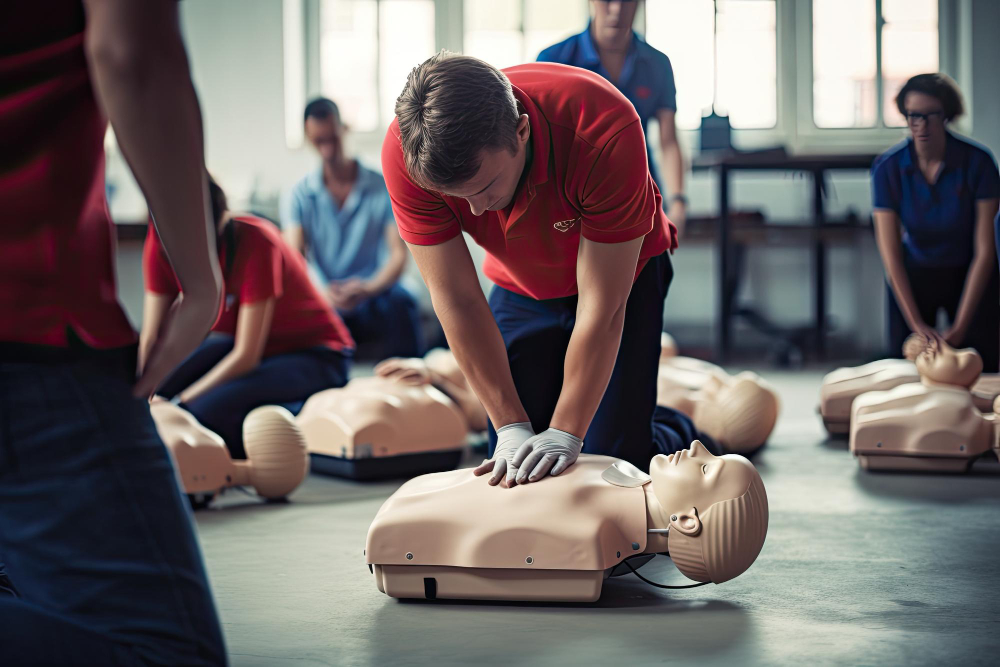
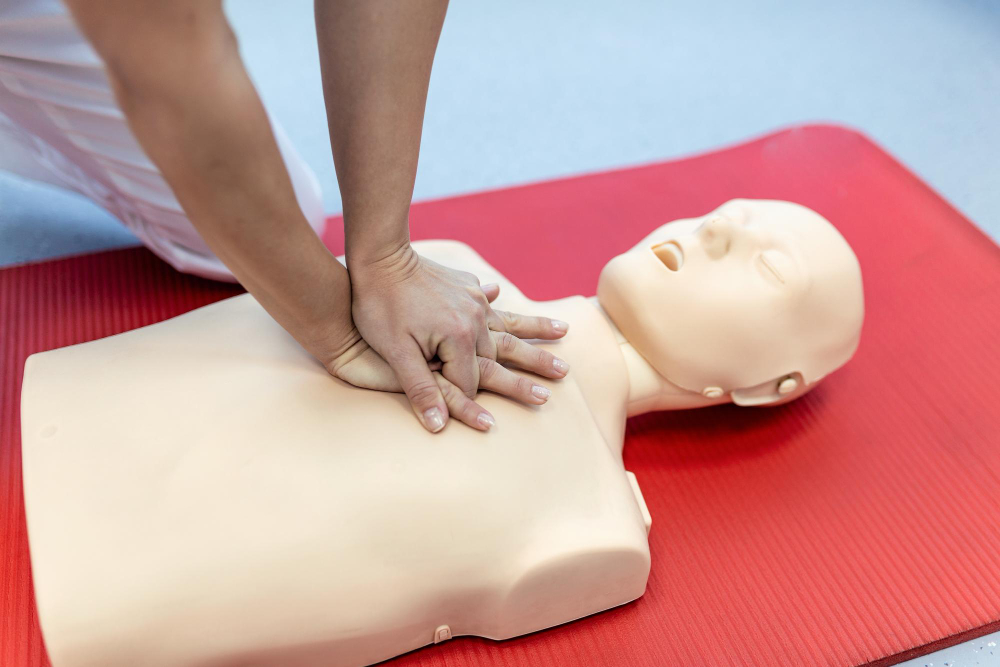
A central part of the training involves practising chest compressions on a manikin. Participants develop an understanding of correct hand positioning, compression depth, rate and technique.
For adults, the current Australian advice usually suggests doing chest compressions at a speed of 100 to 120 times each minute and pushing down about 5 to 6 centimetres.
Training also includes teaching how to give rescue breaths and the right ratio of compressions to breaths. Participants work on keeping CPR effective and reducing stops during it, based on their training and the latest resuscitation guidelines.
3. Using an Automated External Defibrillator
An AED is a portable device designed to analyse a person’s heart rhythm and determine whether an electric shock is advised.
Participants learn how to access an AED, attach the pads correctly, follow its voice or visual instructions and maintain safety while the device analyses the rhythm or delivers a shock.
An AED should be used as soon as it is available, alongside CPR and emergency service assistance. The device guides the rescuer through its operation, so previous experience is not necessarily required to use one.
4. Responding to Different Situations
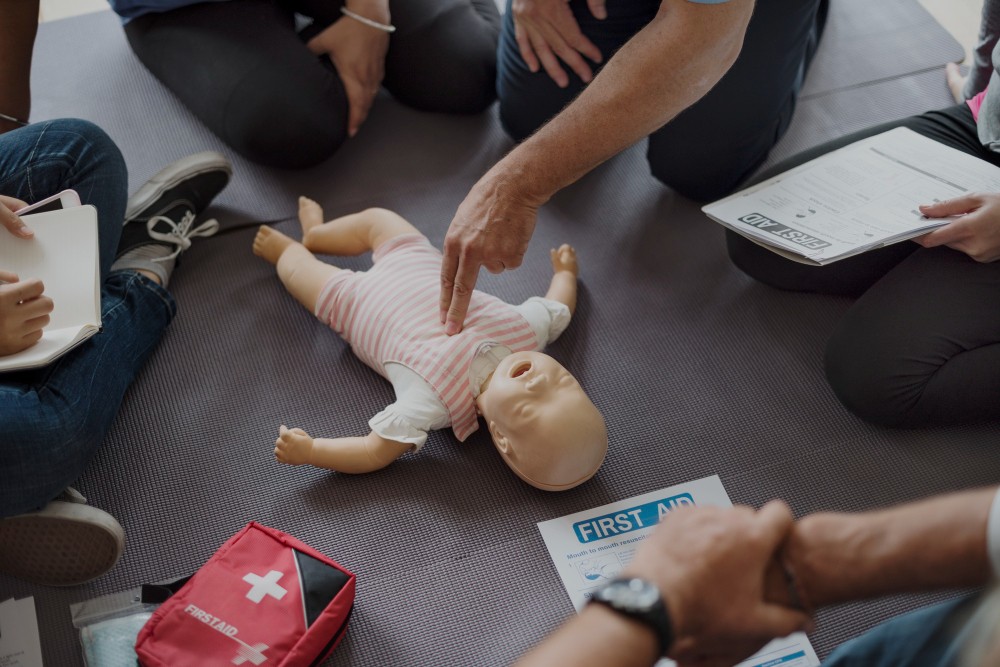
The training introduces participants to emergency response procedures for adults, children and infants, according to the course requirements and assessment conditions.
Although the fundamental principles are similar, CPR techniques can differ according to the person’s age and size. Practising these variations helps learners understand why it is important to use an appropriate technique for the individual receiving assistance.
Why Practical Assessment Matters
Learning about CPR is helpful, but it doesn't take the place of actually practicing it. CPR hands-on training lets people show they can do the right steps instead of just knowing about them from books.
During hands-on practice, instructors can watch how techniques are performed and give advice on where someone can get better. Students can practice doing emergency checks, performing chest compressions, giving rescue breaths, using an AED, and working together to do all these steps.
Practical assessment also helps find common mistakes, like wrong hand position, not enough compression depth, or taking too many breaks. Fixing these problems while training can help participants learn safer and better techniques.
Before you sign up, make sure the provider offers in-person practical assessment, mixed learning methods, or another approved way of delivering the course. The requirements will vary depending on the training provider and the specific assessment conditions that apply.
Who Should Consider This Course?
This training could be helpful for individuals whose job requires them to have CPR skills or those who wish to learn how to respond effectively in an emergency situation.
Potential participants include:
- Healthcare professionals and support staff who need to maintain relevant workplace competencies.
- Teachers, childcare workers and education support staff whose roles require CPR training.
- Fitness instructors, sports coaches and recreation workers.
- Employees in workplaces where CPR competency is a safety requirement.
- Community members who want to improve their ability to respond during a cardiac emergency.
Some employers and industries require CPR skills to be refreshed regularly. Participants should check their workplace policies, relevant professional requirements and training provider guidance before booking.
Finding CPR Training in Australia
When choosing CPR training in Australia, it is important to check the provider’s credentials, course details, practical assessment arrangements and certificate requirements.
Look for a registered training organisation or an authorised delivery arrangement that can provide the nationally recognised HLTAID009 unit where required. Confirm that the training meets the needs of your employer or professional role.
You should also consider the course schedule, location, delivery format and opportunities for hands-on practice. A suitable programme should explain what participants need to complete and how their practical competency will be assessed.
Once the task is done properly, participants receive documents that prove they have met the goal, as per the steps the organisation has outlined. One thing to remember is that this record should be easy to locate, especially if you need to provide proof of training for a job or to comply with workplace policies.
How Frequently Should CPR Techniques Be Updated?
Without consistent practice, CPR abilities may deteriorate. Australian workplace guidelines usually suggest that people should refresh their CPR skills every 12 months, though the exact rules might vary depending on the job and the company.
Regular refresher training helps participants review current procedures, practise their technique and become familiar with any changes in resuscitation guidance.
Rather than waiting until a certificate is about to expire, consider checking your training records in advance. Planning ahead can help prevent gaps in competency when current CPR training is required for work.
Frequently Asked Questions
1. What does HLTAID009 cover?
HLTAID009 covers the knowledge and practical skills required to assess a CPR emergency, perform cardiopulmonary resuscitation, use an AED and respond according to established procedures.
2. Is HLTAID009 a nationally recognised course in Australia?
Yes. HLTAID009 is a nationally recognised unit of competency when delivered and assessed through an appropriately authorised training arrangement.
3. How long does CPR training take?
The duration varies by provider, delivery format and participant experience. Check the course timetable and assessment requirements before enrolling.
4. Do I need any prior first aid experience to take this course?
Previous first aid training isn't always needed for HLTAID009, but people taking the course have to meet the provider's rules for joining and being assessed.
5. How often should I get my CPR training updated?
Annual renewal is often suggested for maintaining CPR skills in the workplace in Australia. Make sure to look into your employer's rules and any necessary professional standards to find out the time period that applies to you.
Conclusion
Learning CPR is a useful skill that helps you be ready for emergencies where every second counts. The HLTAID009 unit helps people learn important skills like assessing emergencies, doing chest compressions, giving rescue breaths, and using an AED.It uses organised teaching and hands-on practice to make sure everyone can perform these tasks properly.
Choosing an appropriate provider and keeping your competency current can help you maintain the skills needed to respond more confidently when an emergency occurs. Review your training needs, explore a suitable course and apply or register today.
Care Learning is a platform where you can get free CPD courses and enough information on multiple topics.