Why Is CPR Certification Renewal Important in Australia?
Olivia Martin
Keeping emergency response skills up to date is an important responsibility for people who may need to provide first aid at work or in the community. CPR certification renewal helps Australian workers refresh essential resuscitation knowledge, practise critical skills, and remain familiar with current procedures. Regular training can also help people respond more confidently when someone experiences a cardiac emergency.
CPR Certification: What Is It?
- When someone is unconscious and not breathing normally, cardiopulmonary resuscitation, or CPR, is an emergency procedure.
- In order to sustain circulation and oxygen supply until additional help comes, it entails chest compressions and, when necessary, rescue breaths.
- Structured instruction in identifying an emergency, administering CPR, and utilising an automated external defibrillator (AED) is provided via a CPR certification course.
- The training is particularly relevant to healthcare workers, aged care professionals, childcare workers, workplace first aiders and others whose roles may require current emergency response skills.
Why Does CPR Certification Need to Be Renewed?
CPR is a practical skill rather than knowledge that can simply be learned once and forgotten. Without regular practice, people may become less confident with the correct technique or hesitate during an emergency.
Australian workplace first aid guidance recommends that CPR competency be refreshed annually. The Australian Resuscitation Council also recommends annual CPR training for those who are required to maintain CPR skills.
Regular training provides an opportunity to revisit essential procedures and correct techniques that may have become less familiar over time.
How Often Does CPR Need to Be Renewed?
One of the most common questions is how often CPR needs to be renewed.
For workplace first aiders in Australia, CPR training is generally refreshed every 12 months. HLTAID009 Provide Cardiopulmonary Resuscitation is the commonly recognised unit used for CPR training, and the unit requires CPR demonstration in line with Australian Resuscitation Council guidelines.
First aid certification has different renewal expectations, so CPR and first aid should not automatically be treated as having the same renewal cycle.
Workers should also check their employer’s requirements because particular industries or workplaces may have additional training expectations.
What Takes Place If CPR Techniques Are Out of Date?
A training record that is out-of-date or expired does not always indicate that a person has forgotten how to do CPR. Long intervals between training sessions, however, can lessen familiarity with current protocols and useful strategies.
Emergency situations can be stressful and unpredictable. Having recently practised CPR can help a person recognise what needs to happen and begin responding without unnecessary hesitation.
For workplaces, maintaining current training also helps organisations demonstrate that designated first aiders have received appropriate refresher education.
How Can You Renew CPR Certification?
If you are wondering how to renew cpr certification, start by checking the requirements of your employer, industry and training organisation.
You can then select an appropriately recognised course that meets the required training standard. Depending on the provider, training may involve online theory followed by practical assessment.
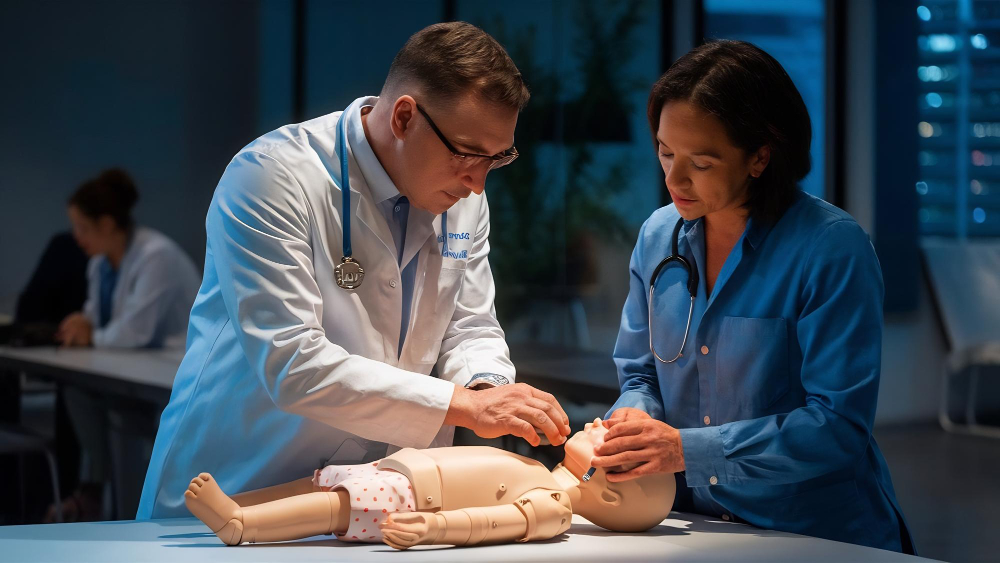
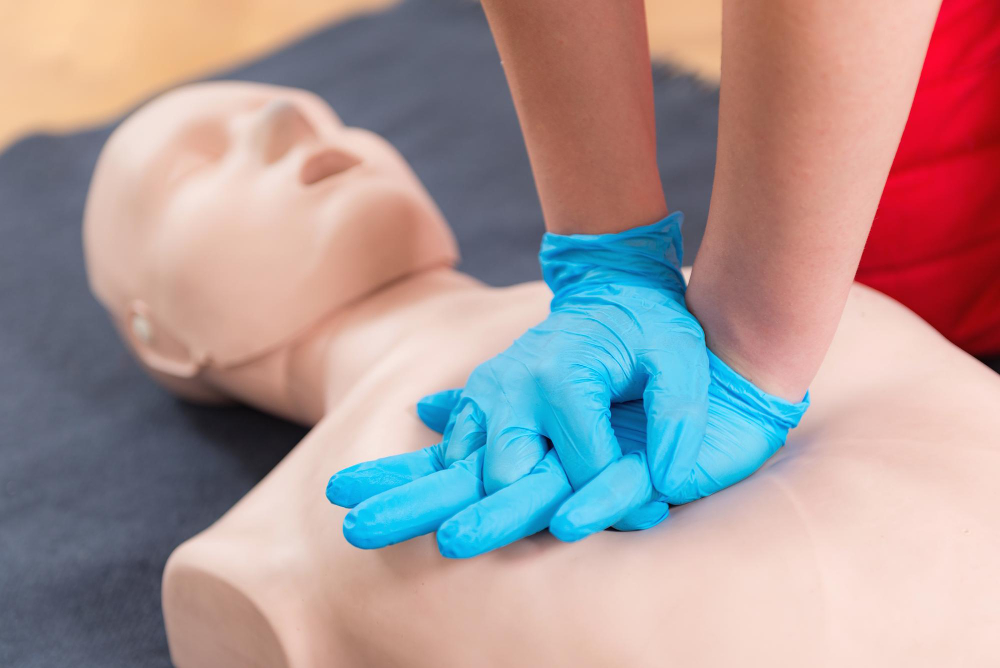
During the practical component, participants may need to demonstrate CPR skills on a manikin and show appropriate AED procedures.
Once the required assessment has been completed, the training provider can issue the relevant statement of attainment or documentation.
Is CPR Certification Renewal Online Available?
CPR certification renewal online options are available through some Australian training providers, although learners should carefully check what the course actually includes.
Since CPR is a hands-on skill, just taking an online course might not be enough to meet some job or training requirements. Participants need to show they have the right skills as part of the practical demonstration for the HLTAID009 unit.
Because of this, students shouldn't think that just completing online modules is enough. They should check if the online course includes a proper practical assessment.
What Should You Look for in CPR Certification Australia Courses?
When searching for cpr certification in Australia options, consider whether the training provider is appropriately registered and whether the course meets the requirements relevant to your workplace.
You should also check:
- Accreditation and recognition of courses
- Requirements for practical evaluation
- The format of training delivery
- AED instruction
- Content related to CPR
- A statement of accomplishment or certificate is given
- Requirements for renewal
- Acceptance by employers
Choosing a course based solely on price or convenience can create problems if the training does not meet your professional or workplace requirements.
Can CPR Certification Online Replace Practical Training?
CPR certification online can be useful for completing theoretical learning, but CPR is fundamentally a practical skill.
Participants need opportunities to practise chest compressions, understand appropriate techniques, and demonstrate their ability to respond to an emergency. Practical assessment also gives trainers an opportunity to identify technique issues and provide feedback.
For people who have completed online theory, combining it with an appropriate practical component can provide a more complete learning experience.
Why Is Refresher Training Important for Healthcare Workers?
Regular refresher training is always crucial even though healthcare personnel may already employ emergency response techniques in their work.
Emergency circumstances can arise at any time, and clinical settings can be challenging. Relearning CPR techniques can support organised evaluation, response protocols, and productive cooperation.
For healthcare and aged care workers, keeping mandatory training current can also support workplace compliance and professional development requirements.
What About CPR, AED and First Aid Certification?
Some learners choose combined training that covers CPR, AED use and broader first aid. CPR, AED and first aid certification can provide a wider set of emergency response skills than CPR training alone.
CPR focuses specifically on responding to cardiac emergencies. AED training teaches participants how to use an automated external defibrillator safely during a cardiac arrest response.
First aid covers a broader range of injuries and illnesses, including bleeding, burns, fractures, choking, and other emergency situations.
The appropriate training depends on the individual’s role and workplace responsibilities.
Why Practical Confidence Matters During an Emergency
Knowing what to do is important, but being able to act quickly can be equally valuable.
A person experiencing cardiac arrest needs immediate assistance while emergency services are being contacted. CPR can help maintain circulation until further medical intervention becomes available.
Regular practice can make the steps more familiar. It may also reduce hesitation and help first aiders communicate more effectively with other people responding to the emergency.
Training cannot guarantee a particular outcome, but it can help people prepare for situations where every moment matters.
Common Mistakes People Make With CPR Renewal
One common mistake is waiting until training has already expired before checking renewal requirements. Planning ahead can reduce the risk of becoming non-compliant with workplace expectations.
Another mistake is assuming that every online CPR course provides the same type of assessment. Learners should confirm the practical requirements before enrolling.
Some people also focus only on obtaining a certificate instead of using the training as an opportunity to refresh their actual skills.
The purpose of refresher education is not simply to maintain paperwork. It is to keep emergency response knowledge and practical ability current.
How Can You Stay Prepared Between Courses?
Formal training should be supported by ongoing awareness and practice where appropriate.
Workers can review their workplace emergency procedures, familiarise themselves with AED locations and participate in relevant emergency drills. Employers can also provide opportunities for staff to revisit emergency response procedures.
These activities should complement, rather than replace, required formal training.
Conclusion
Regular CPR training plays an important role in helping people maintain practical emergency response skills. In Australia, workplace first aid guidance and resuscitation recommendations support annual CPR refreshers for people who need to maintain this competency.
If you renew your CPR certification on time, you get a chance to review important skills, learn about the latest standards, and feel more confident when dealing with heart emergencies.
Check the requirements your job asks for before choosing a training program, and pick one that has a hands-on test to show you can do the job properly. Keeping a certificate is just one part of staying up to date; another part is being more ready to help someone who needs help right away.
You can find plenty of information on many different subjects and free CPD courses on the Care Learning portal. Look into relevant learning options and sign up or apply right away.
Frequently Asked Questions
1. How often should CPR training be renewed in Australia?
For workplace first aiders, CPR competency is generally refreshed every 12 months. Employers or specific industries may have additional requirements.
2. Is it possible to renew my CPR certification online?
While some programs offer blended learning or online theory, CPR necessitates an evaluation of actual abilities. Verify if the course satisfies the standards relevant to your place of employment.
3. How long is a CPR certification good for?
Every year, workplace CPR competency is typically reviewed. Always review the conditions associated with your specific training as well as the requirements set forth by your company.
4. What is the difference between first aid training and CPR training?
First aid covers more types of injuries and health issues, while CPR is focused mainly on helping someone whose heart has stopped. Both subjects are combined in some courses.
5. Why is regular CPR practice important?
Doing regular practice helps make sure you remember the right steps, get used to handling emergencies, and feel more sure of yourself when dealing with a heart problem.