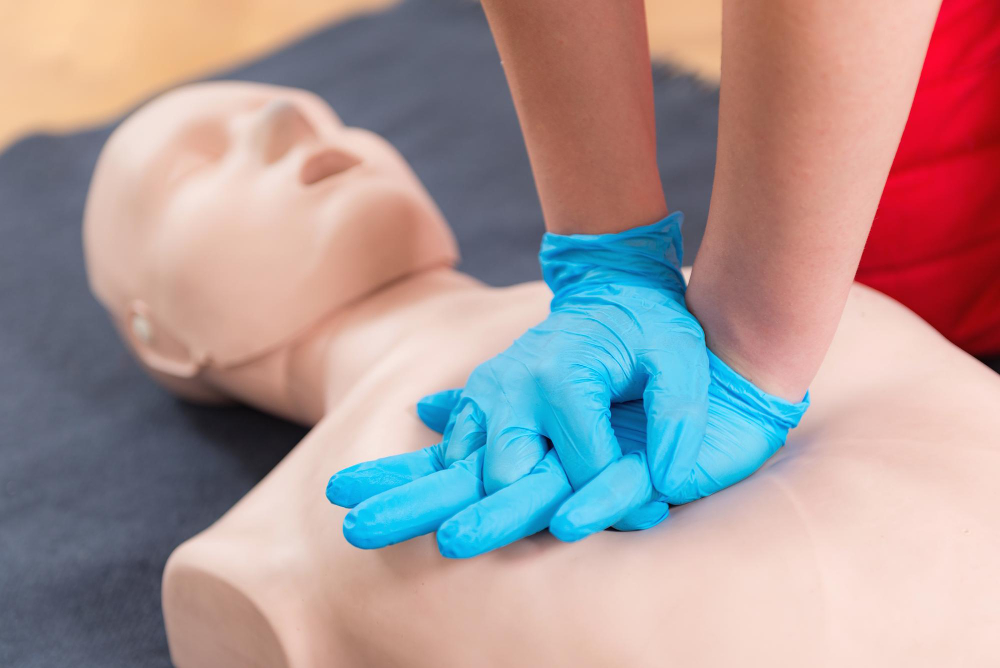
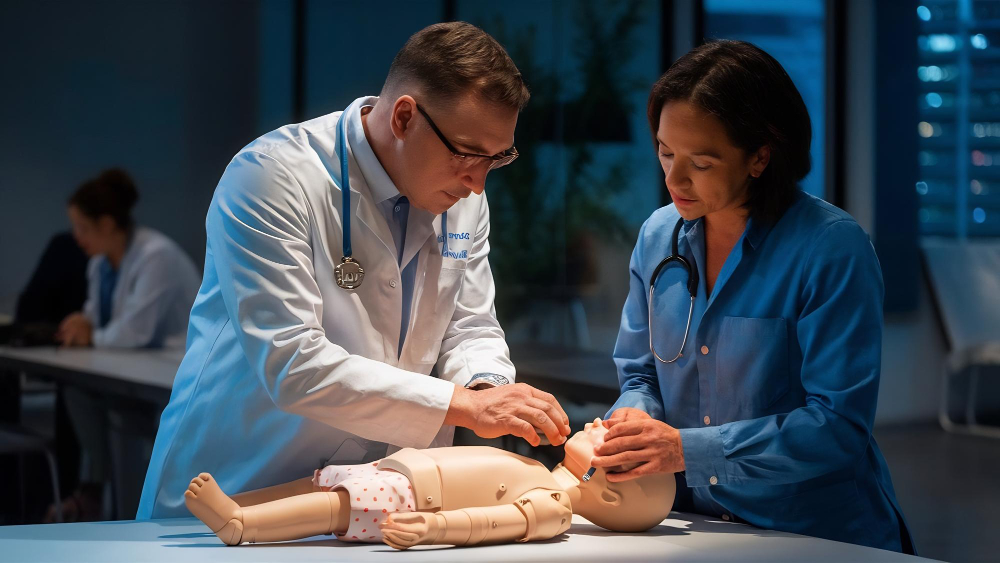
CPR Training Online: A Complete Guide to CPR Certification and Courses in Australia
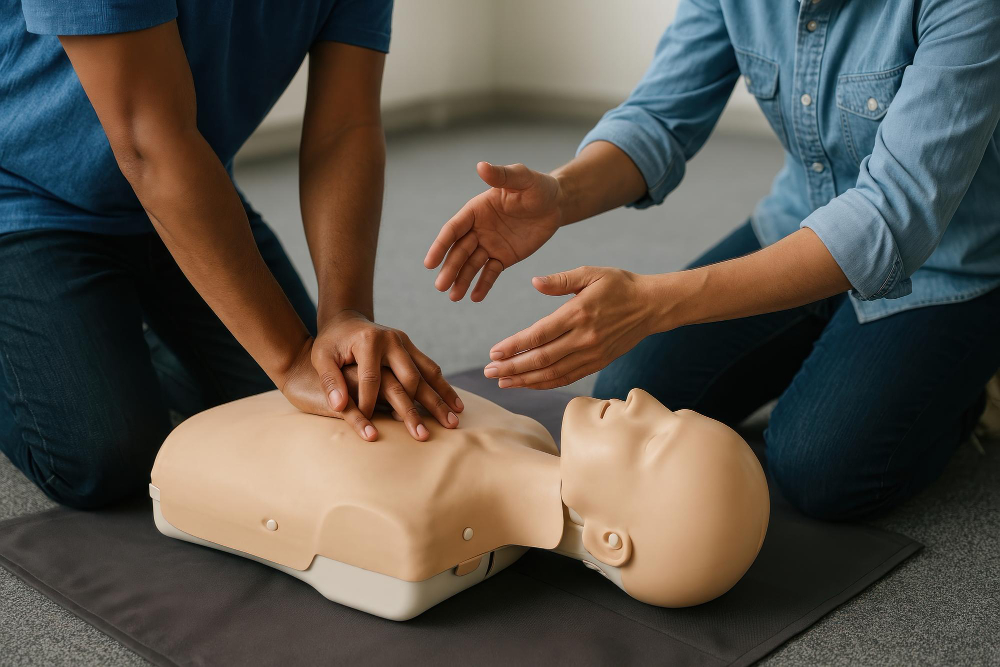
Every second counts in an emergency, and the ability to perform CPR is essential for reacting with assurance in a cardiac emergency. Australians will find it simpler to develop life-saving awareness, comprehend the appropriate response, and begin the process of becoming CPR-competent thanks to easily accessible CPR education via online learning.
CPR training online can be a convenient way to learn essential emergency-response knowledge, particularly for healthcare workers, carers, teachers, workplace staff and people who want to improve their first-aid awareness. However, in Australia, there is an important distinction between completing online CPR theory and obtaining a workplace-recognised practical qualification. Understanding the difference between a CPR certificate online, CPR certification online, and practical assessment requirements can help you choose a course that genuinely meets your needs.
What Is CPR Training?
Cardiopulmonary resuscitation, commonly called CPR, is an emergency procedure used when a person is unresponsive and not breathing normally.
CPR aims to maintain circulation and oxygen delivery until an appropriate emergency response or other definitive treatment becomes available.
Identifying cardiac arrest, initiating emergency aid, doing chest compressions, administering rescue breaths when necessary, using an automated external defibrillator (AED), and handling unique situations are all typically covered in training.
The course and the learner's function determine the precise training material.
Can You Complete CPR Training Online?
Yes, CPR education can be delivered online, but online learning and practical competency are not necessarily the same thing.
An online course can help learners understand the principles behind CPR, recognise an emergency and learn the sequence of actions involved.
However, many Australian workplace or occupational requirements involve demonstrating practical CPR skills. A completely online course may therefore not satisfy an employer’s requirements for a recognised CPR qualification.
Before enrolling, check whether the course includes a practical assessment and whether the resulting credential is accepted for your intended workplace.
What Does an Online CPR Course Usually Cover?
A comprehensive programme may introduce learners to:
- Recognising an unresponsive person.
- Checking breathing.
- Calling for emergency assistance.
- Performing chest compressions.
- Providing rescue breaths when appropriate.
- Using an AED.
- Responding to choking.
- Understanding infection-control considerations.
- Managing an emergency until further assistance arrives.
Learning how to perform CPR through a structured course can give people a clearer understanding of what should happen during a time-critical emergency.
Nevertheless, CPR is a hands-on skill, so practical training remains particularly important for people who need to demonstrate competency.
CPR Certification Online: What Should You Check?
The term CPR certification online can describe different types of learning depending on the provider.
Look into the true meaning of the credential before selecting a course.
Find out if the course is:
- Theory-only or theory-plus-practical evaluation.
- Made for workplace compliance or personal education.
- Acknowledged by your industry or employer.
- Delivered by an appropriately qualified training organisation.
- Current according to applicable Australian requirements.
- Supported by a practical skills assessment where required.
A certificate showing that you completed an online module does not automatically mean that you have demonstrated practical CPR competency.
CPR Training Australia: Choosing the Right Course
When comparing CPR training in Australia providers, consider the course’s purpose first.
For general knowledge, an online introductory course may be useful. For workplace compliance, however, you should confirm the exact qualification your employer requires.
Healthcare professionals, care workers, education staff and other workers may have different training expectations depending on their responsibilities.
It's also important to find out how often CPR proficiency needs to be updated. Learners should verify the current expectations that apply to their function because workplace regulations and organisational rules can differ.
What About a Free Online CPR Course in Australia?
Searching for a free online CPR course in Australia can be a good starting point if your primary goal is awareness and basic education.
Free resources can help people understand what cardiac arrest is, why immediate action matters, and the general principles of CPR.
However, free does not necessarily mean accredited, and an online completion certificate does not necessarily meet workplace requirements.
If you need CPR for employment, registration, placement or professional compliance, check the qualification requirements before relying on a free course.
CPR and AED Awareness
Modern CPR education commonly includes awareness of AEDs.
An AED is designed to analyse a person’s heart rhythm and, when appropriate, provide an electrical shock. Training can help people become more familiar with what an AED does and how it fits into an emergency response.
Importantly, an AED should be used according to its instructions and while following the directions of emergency services where available. Being familiar with the equipment can reduce hesitation during an emergency.
The Relevance of Practical Evaluation
Reading or watching movies isn't enough to properly understand what happens during CPR.
Students get real practice by doing things like positioning, working together, doing chest compressions, and using an AED, all while being watched and guided by someone experienced.
It also gives an instructor the opportunity to identify technique problems and provide immediate feedback.
For this reason, anyone seeking CPR for workplace purposes should check whether their course requires an in-person skills demonstration rather than assuming an online module alone will be sufficient.
Who Can Benefit From CPR Training?
CPR education can benefit a wide range of people.
Healthcare professionals may require regular CPR competency as part of their workplace responsibilities. Care workers may benefit from knowing how to respond while waiting for emergency assistance. Teachers, childcare workers, fitness professionals and workplace staff may also encounter situations where emergency-response knowledge is valuable. Even people without professional responsibilities can benefit from learning the basic principles of CPR.
The ability to recognise an emergency and respond promptly can be important while waiting for professional help.
How to Pick a CPR Course Online
Ask yourself these five questions before enrolling:
1. What motivates me to enroll in the course?
Choose between general knowledge and a certification that is recognised in the profession.
2. Does it incorporate practical assessment?
Check how the assessment is done and whether practical skills are required.
3. Who provides the guidance?
Make sure to verify the provider's qualifications and whether the course is officially recognised.
4. Is the certificate suitable for my place of employment?
If you are performing CPR for work-related reasons, ask your employer.
5. Does the course adhere to the most recent recommendations?
Select education that is updated and reviewed on a regular basis because emergency care recommendations are subject to change.
Conclusion
Online CPR training Australia can make emergency education more accessible, but learners should understand the difference between online knowledge and demonstrated practical competency. If you are simply looking to improve your awareness, an online programme may be a useful starting point. If you need CPR for employment, always verify whether practical assessment and a recognised qualification are required.
Whether you are comparing a CPR certificate online, researching CPR certification online, or looking for CPR training in Australia, choose a course based on its purpose, quality, assessment process, and suitability for your professional requirements—not simply whether it is fast or free.
Care Learning is a platform where you can get free CPD courses and enough information on multiple topics, making it a useful resource for ongoing learning and professional development. Apply or register today.
Frequently Asked Questions
1. Is it possible to obtain a CPR certificate online?
Completing an online learning module may give you a certificate, but whether or not it meets workplace requirements will depend on the course and the organisation that needs the qualification.
2. Is CPR certification online recognised in Australia?
Recognition depends on the specific course, provider, assessment method, and intended use. Always verify the requirements of your employer or relevant organisation.
3. Can I learn how to perform CPR entirely online?
Online learning can teach the theory and sequence of CPR, but practical skills are best developed and assessed through hands-on training.
4. Is a free online CPR course suitable for employment?
Not necessarily. A free course may be useful for awareness but may not provide the practical competency or recognised qualification required by an employer.
5. How often should CPR training be refreshed?
The appropriate refresher interval depends on the course, workplace and applicable requirements. Check your employer’s current training policy and the requirements attached to your role.