Healthcare Assistant Jobs in the UK: Essential Skills to Start and Grow Your Career
Written by
Sarah JohnsReviewed by
Ken
Published on November 20, 2026
In the UK, healthcare assistants are crucial to patient support and upholding good standards of care. Opportunities to have a fulfilling career while assisting people in managing their everyday health and personal care needs are provided by healthcare assistant jobs in the UK.
Skilled care providers are frequently needed by hospitals, nursing homes, residential care facilities, and community agencies. While prior experience may be useful, many employers prefer applicants who exhibit empathy, dependability, and a desire to learn. You can better prepare for this vocation by being aware of the necessary abilities, credentials, and duties.
What Is the Role of a Healthcare Assistant?
Healthcare assistants help nurses and other medical professionals provide patients with safe, pleasant, and courteous treatment. The workplace, patient demands, and degree of training all influence their duties.
Typical duties consist of:
- Helping patients with bathing, dressing and personal hygiene.
- Supporting mobility and assisting with safe transfers.
- Monitoring temperature, pulse, breathing and other basic observations when trained.
- Assisting patients with daily tasks, food, and hydration.
- Keeping care settings tidy and cozy.
- Notifying senior personnel of any changes in a patient's condition.
- Respecting the dignity of patients and providing emotional support.
These tasks for a healthcare assistant call for perseverance, meticulousness, and a thorough comprehension of each patient's demands.
All Healthcare Assistants Must Have These Competencies
Acquiring the skills you need can help you provide better care and increase your confidence in the workplace. Personal qualities and practical abilities are often assessed by employers.
1. Communication Skills
When they communicate well, healthcare assistants are better able to comprehend patients' requirements and provide crucial information to their colleagues. Listening intently is equally crucial, particularly when assisting someone who might struggle with self-expression.
2. Empathy and Compassion
While receiving care, patients may experience anxiety, discomfort, or vulnerability. Their experience can be improved by being compassionate, honoring individual preferences, and upholding dignity.
3. Collaboration
Healthcare assistants collaborate with physicians, nurses, and other healthcare providers. Maintaining consistent patient care is facilitated by exchanging observations, adhering to directions, and offering assistance to colleagues.
4. Observation and Focus on Details
It's critical to identify changes in a patient's behavior, appearance, or physical state. Instead of making clinical decisions outside of their duties, healthcare assistants should report issues as soon as they arise.
5. Time management and organisation
Employees in busy healthcare environments must manage several responsibilities throughout their shifts. Prioritising duties guaranties that patients receive help in a timely manner without compromising the quality of care.
6. Flexibility and Solving Issues
Situations can change rapidly, and each patient has unique demands. Healthcare assistants can react effectively and adhere to workplace protocols by being adaptable.
Through applicable training, workplace coaching, and real-world experience, these healthcare assistant skills can be strengthened.
UK Qualifications and Training Requirements
In the UK, there isn't a single qualification needed for every role as a healthcare assistant. The employer, the healthcare environment, and the duties involved determine the entry requirements.
Many employers accept candidates with relevant care experience or a willingness to complete workplace training. Some positions may prefer qualifications such as a Level 2 or Level 3 Diploma in Care.
Training that is beneficial could consist of:
- Care Certificate requirements.
- Protecting both adults and children.
- Prevention and management of infections.
- Handling and moving.
- Emergency reaction and first aid.
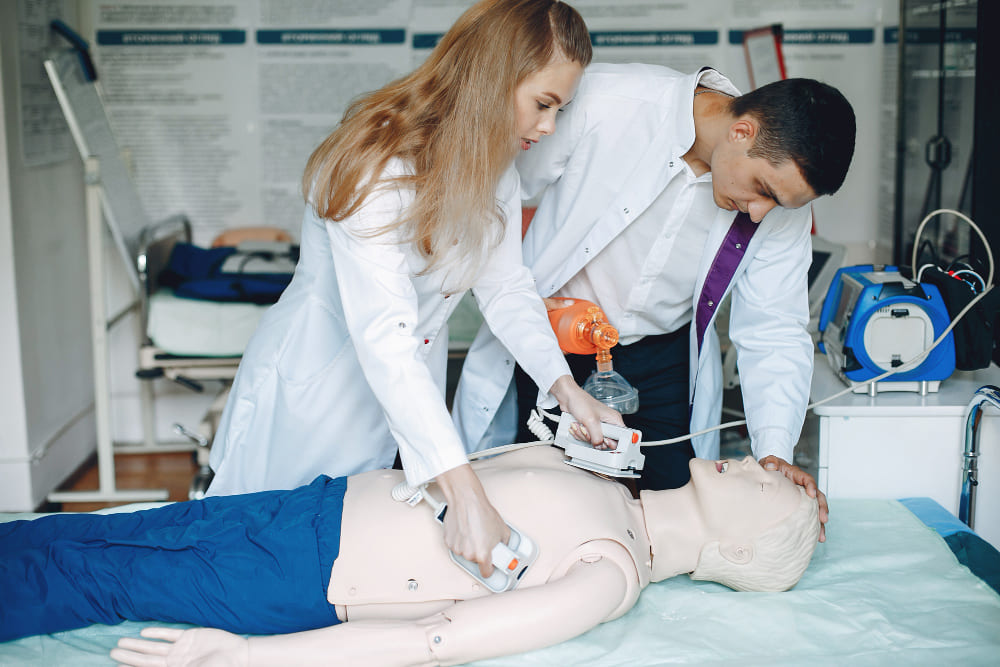
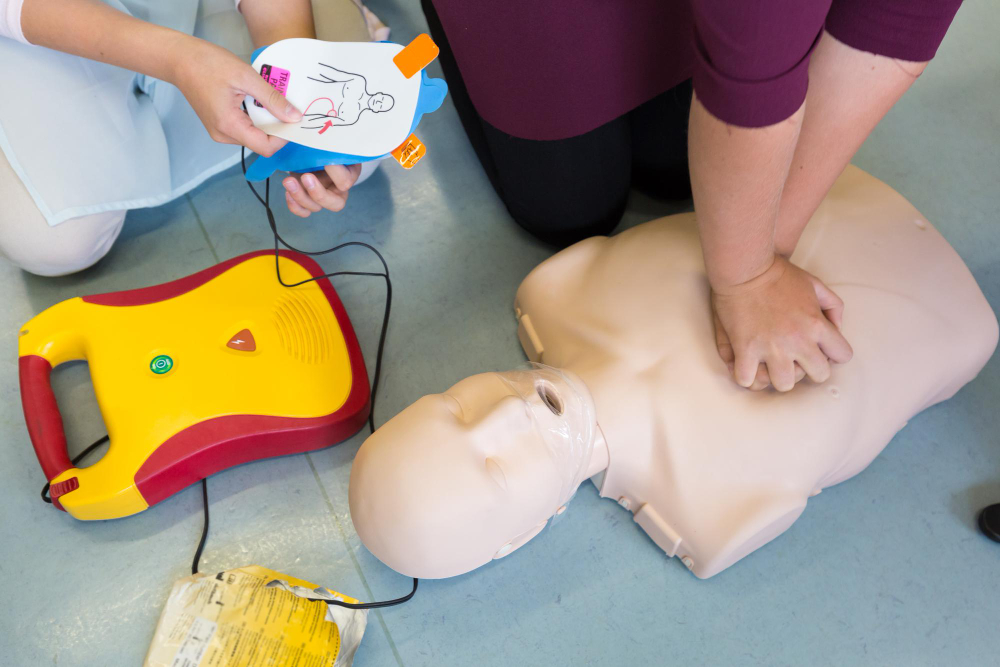
- UK Basic Life Support Training.
Healthcare aides who have received basic life support training are better equipped to handle medical crises. Employers may offer this instruction or ask for proof of appropriate certification.
Healthcare Assistant Salary in the UK
Experience, geography, employer, and working conditions all affect a healthcare assistant salary. Agenda for Change pay bands are frequently used for NHS healthcare assistants, with many entry-level jobs falling into Band 2 or Band 3.
Different compensation scales may be offered by private hospitals, nursing homes, and home care providers. Overall wages may be impacted by weekends, bank holidays, midnight shifts, and other responsibilities.
Before accepting a job, consider the hourly rate, contracted hours, overtime policies, and any benefits.
How to Begin and Advance Your Career
It takes more than just fulfilling the prerequisites to begin a career in care. You can advance into more specialised roles by gaining experience and honing your practical abilities.
Follow these steps:
1. Recognise the role: Acquire knowledge of duties related to patient care and workplace standards.
2. Finish pertinent training: Obtain practical certifications and acquire critical care understanding.
3. Get your resume ready by emphasizing your credentials, transferable skills, and any volunteer or caregiving experience.
4. Apply for appropriate positions: Look at options in community care, nursing homes, and hospitals.
5. Get real-world experience: Observe workplace protocols and learn from more seasoned coworkers.
6. Continue your professional development: As your experience increases, think about obtaining more credentials and specialised training.
Professionals can also explore related care assistant jobs to gain experience in residential, community and home care environments.
Conclusion
For those who appreciate helping others, healthcare aid offers a fulfilling professional path. You can be successful in this industry if you have good communication skills, empathy, hands-on training, and a desire to learn.
Care Learning provides free online CPD courses and easily accessible learning options for healthcare professionals. You can improve your knowledge, acquire useful skills, and get ready for various care tasks with the aid of these resources.
Register or apply now to take the next step toward a rewarding career in healthcare.
Common Questions
1. Is experience required to work as a healthcare assistant in the UK?
Not all the time. Some firms will accept new hires who have the proper mindset and are prepared to complete the required training.
2. What are the requirements someone needs to have in order to work as a healthcare assistant?
Requirements vary by employer. A Level 2 or Level 3 Diploma in Care can be helpful, but some jobs provide training on the job.
3. How much does a healthcare assistant typically make in the UK?
The company, your location, your level of experience, and the hours you work can all affect your pay. The Agenda for Change pay ranges are typically followed by NHS positions.
4. Is it necessary for healthcare assistants to receive Basic Life Support training?
Basic life support training is either required or provided by many employers. The location of the job and the duties involved will determine the needs.
5. Where can healthcare assistants work in the UK?
Healthcare assistants can work in NHS hospitals, private hospitals, nursing homes, residential care facilities, and community healthcare services.