How Staff Training Can Improve Emergency Response in UK Hospitals
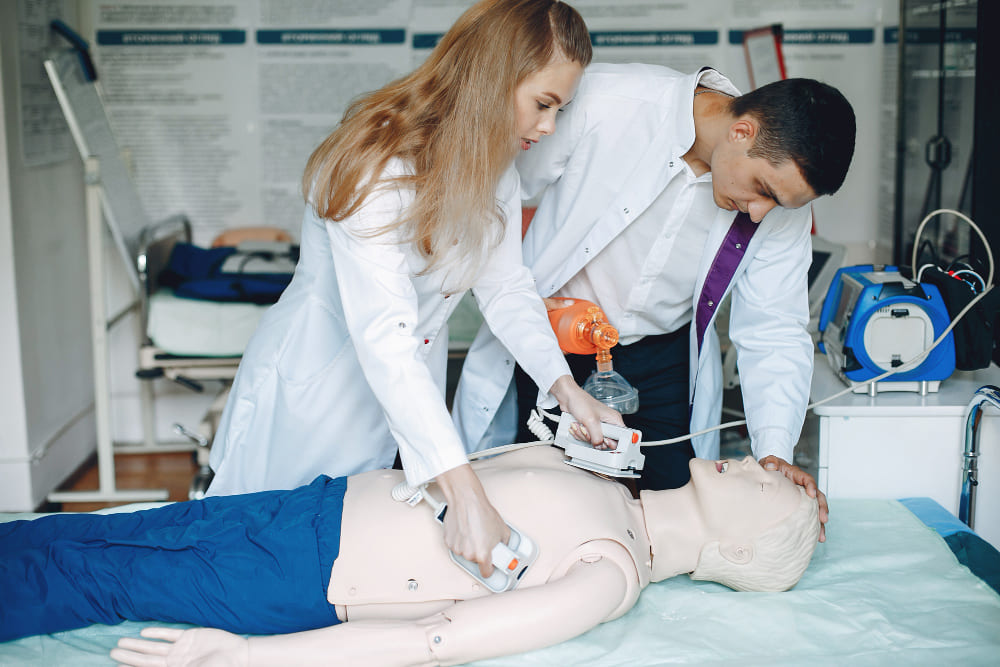
A well-trained hospital team can make a critical difference during medical emergencies. Emergency Response Training helps healthcare staff recognise warning signs, respond quickly and provide appropriate care before a patient’s condition worsens. From sudden cardiac arrests to breathing difficulties and severe injuries, staff must know how to act under pressure. Regular training also strengthens teamwork, improves patient safety and helps hospitals prepare for unexpected situations.
1. Why Emergency Response Training Matters in UK Hospitals
Hospital emergencies can happen suddenly, so doctors and nurses need to act fast and make important choices right away. A late reply can lead to more problems and impact how well a patient recovers. Staff need to know their duties and be clear about what steps to follow in various situations.
Emergency Training for Healthcare Staff provides the knowledge and practical skills needed to manage urgent clinical events. It helps employees recognise signs of deterioration, raise concerns and follow established emergency procedures.
Emergency care is strengthened by staff training in a number of significant ways:
- Faster reactions: Healthcare professionals are able to identify warning indicators and act appropriately.
- Improved teamwork: Staff members are better able to collaborate and exchange information in emergency situations when they have clear duties.
- Safer patient care: Timely treatment can help prevent complications and limit further injury.
- Increased confidence: Practising emergency procedures prepares employees to stay composed in stressful situations.
- Reliable clinical practices: Regular learning helps teams apply approved guidelines and follow hospital safety procedures.
Hospitals should make emergency learning part of their ongoing staff development rather than treating it as a one-time activity.
2. Strengthening Basic Life Support Skills
Cardiac arrest is a medical emergency that requires immediate action. Healthcare workers must be able to recognise the signs, call for help and begin appropriate resuscitation measures.
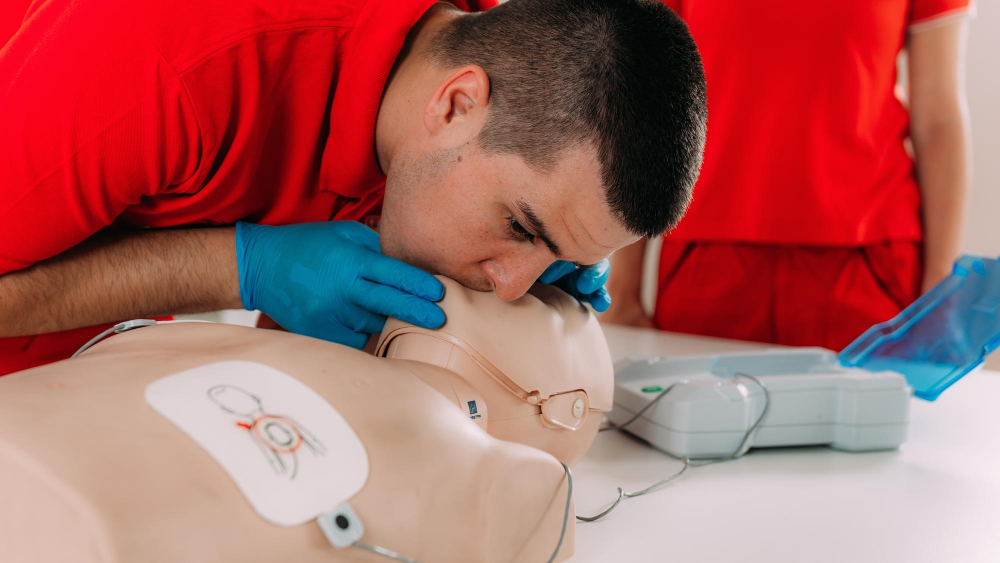
Basic Life Support Training teaches essential techniques for responding to cardiac arrest and other life-threatening situations. It commonly covers recognising an unresponsive person, checking for normal breathing, raising the alarm and starting cardiopulmonary resuscitation (CPR).
These skills are valuable across hospital departments. Nurses, healthcare assistants and other clinical employees may be among the first people to identify a patient in distress.
BLS Training for Healthcare Professionals also helps staff understand how to work within their clinical responsibilities during an emergency. They learn how to support the response team, communicate important observations and follow local resuscitation procedures.
If they don't receive regular training, healthcare professionals may question their capacity to carry out critical clinical duties. Frequent refresher courses help them retain their practical skills, strengthen their knowledge, and get ready to face situations with more assurance.
3. Building Confidence in AED Use
An automated external defibrillator (AED) is a device that can analyse a person’s heart rhythm and deliver an electrical shock when advised. It is an important part of responding to certain types of cardiac arrest.
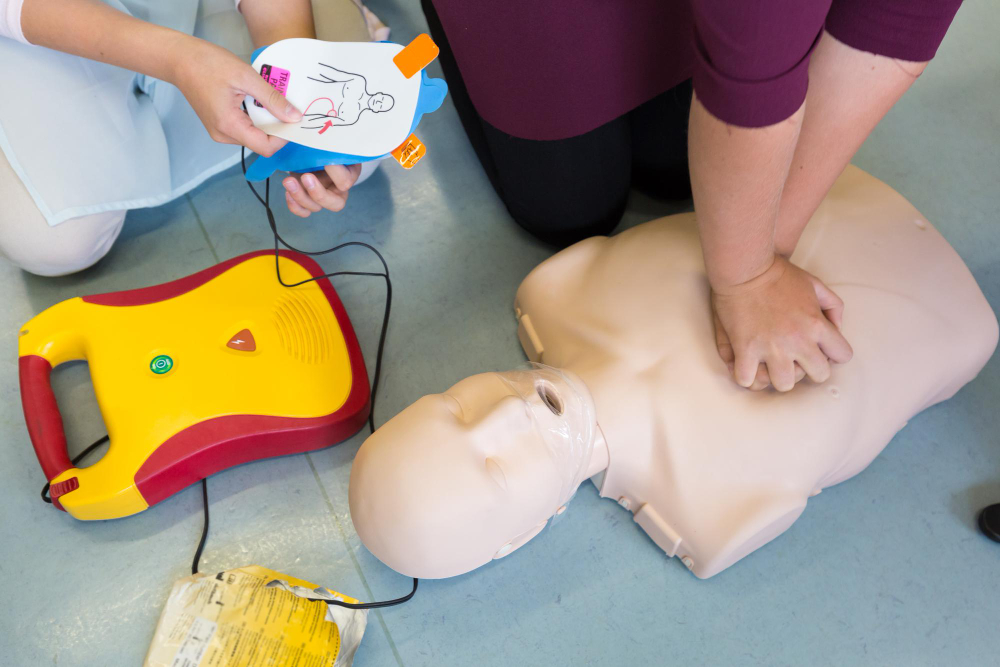
AED Training for Healthcare Workers teaches staff how to use the device safely and follow its spoken instructions. Participants learn where to place the electrode pads, how to keep people clear during rhythm analysis and how to continue CPR when required.
Practical experience is particularly useful because healthcare workers need to act quickly during an emergency. They should also understand that an AED does not replace CPR. Both actions form part of the wider response to cardiac arrest.
Hospitals must make sure that all staff members are aware of the locations of defibrillators and are able to quickly access them when needed. Clear indicators, routine equipment inspections, and emergency readiness can all improve the reaction's efficacy.
4. Developing Practical Skills Through Realistic Scenarios
Reading clinical guidelines gives helpful information, but it's also important for staff to have chances to practice how they respond. Scenario-based learning lets healthcare workers practice using their knowledge in situations that are like real hospital problems.
Basic Life Support & AED Practical Training gives participants the opportunity to practise CPR techniques and defibrillator use with suitable training equipment. Instructors can observe performance, correct mistakes and provide feedback.
Hospitals can also conduct mock emergency exercises based on situations such as:
- A patient becoming unresponsive in a ward.
- Sudden breathing difficulties in a clinical department.
- A cardiac arrest in a public hospital area.
- A patient experiencing severe bleeding or an unexpected injury.
- Multiple patients requiring urgent assessment and support.
These exercises help staff understand how emergencies may unfold. They also reveal gaps in communication, equipment access and team coordination.
5. Enhancing Teamwork and Communication
Several medical specialists frequently collaborate during an emergency response. Physicians, nurses, healthcare assistants, and specialised response teams need to be aware of their specific responsibilities and communicate information in an understandable manner.
Training helps employees communicate important details without confusion. Staff learn to report changes in a patient’s condition, request assistance and provide relevant information to colleagues.
Hospitals can strengthen teamwork by assigning clear responsibilities during practice exercises. For example, one person may begin CPR, another may retrieve the AED and another may contact the emergency response team.
Effective communication also aids in minimising redundant tasks and overlooked actions. Following every simulation, teams must assess what was effective and pinpoint areas requiring enhancement.
6. Assisting Hospital Emergency Readiness
Hospital Emergency Preparedness involves more than teaching staff how to perform CPR. Hospitals must also maintain clear response plans, accessible equipment and suitable systems for managing different emergencies.
Training should reflect the risks and responsibilities associated with each department. An emergency in an operating theatre may require a different response from an incident in an outpatient clinic.
- An effective preparedness strategy must encompass:
- Defined processes for notifying and escalating emergencies.
- Consistent inspections of life-saving gear and urgent provisions.
- Training staff according to clinical positions and workplace hazards.
- Practice exercises to evaluate response strategies and communication.
- Evaluation of events to determine insights and enhancements.
Hospitals should also provide induction training for new employees. This helps staff understand local emergency procedures before they face an actual incident.
7. Maintaining Clinical Skills Through Regular Learning
Healthcare instructions, tools, and how things are done at work can change as time goes on. Staff should keep learning all the time so they can stay up-to-date with their knowledge and meet new requirements.
Clinical emergency response skills need to be checked through ongoing training, hands-on testing, and getting feedback. Employers can use refresher sessions to find out which parts of the job employees need more help with.
Training records allow managers to track completed courses and recognise staff members who may benefit from further guidance. However, attending a session alone does not demonstrate practical competence. Skills assessments help determine whether employees can use their knowledge correctly in real workplace situations.
Hospitals should create an environment where staff feel safe to ask questions and talk about ways to get better. This method helps professionals grow and encourages teams to follow safer work habits.
Conclusion
UK hospitals rely on skilled and prepared healthcare teams to manage unexpected medical situations. Continuous staff development helps professionals apply clinical guidelines correctly, make sound decisions in stressful circumstances and provide safe, effective patient care.
Ongoing education and opportunities to use critical skills are necessary for developing professional expertise. Healthcare workers can find nurse shifts and jobs that fit their experience and career goals with Xpress Health.
Care Learning supports this development by providing free CPD courses and learning materials across a range of healthcare subjects. These resources allow professionals to refresh existing knowledge, understand new topics and strengthen their workplace skills.
Apply or register today.
Frequently Asked Questions
1. Why is emergency response training important for hospital workers?
It helps healthcare workers spot medical emergencies, act quickly, and pass important information to other team members. Keeping up with practice helps them feel more confident and better able to keep patients safe.
2. What skills are taught in basic life support training?
Participants are taught to recognise signs of cardiac arrest, check if someone is responsive and breathing, ask for help in an emergency, and perform CPR. The course might also teach how to properly use an automated external defibrillator (AED).
3. When do healthcare workers need to refresh their knowledge about emergency responses?
How often refresher sessions happen depends on the rules at work, advice from professionals, and what your job requires. More training might be required if new clinical procedures or job responsibilities are introduced.
4. Is emergency response training important for healthcare assistants?
Healthcare assistants need training that fits their job duties and the specific needs of their work environment. They should notice the warning signs, let others know if there's something serious, and help as much as they can based on what they've been taught.
5. Are online courses sufficient for preparing staff to handle medical emergencies?
Digital learning can teach key emergency steps and help build a good understanding of theories. However, real techniques like CPR and using an AED require actual training and testing of skills.