What Do Free Safeguarding Courses Cover?
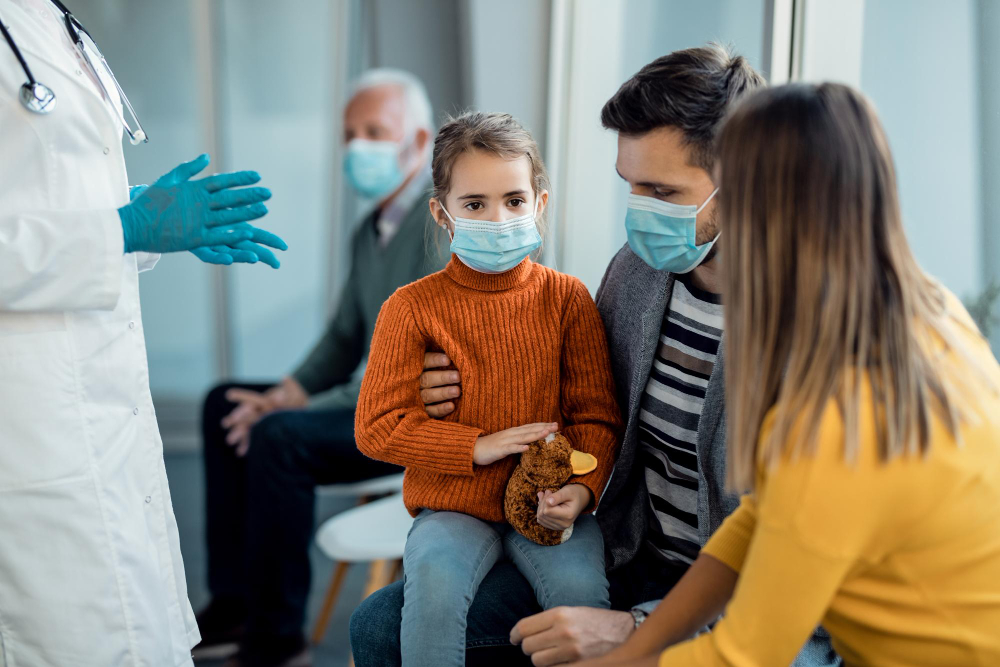
Knowing how to recognise, respond to, and report concerns is an essential part of working safely with children and adults. Free safeguarding courses can help learners build a foundation in recognising abuse, understanding responsibilities, responding to concerns, and promoting safer environments. They can be useful for healthcare workers, carers, childcare professionals, volunteers, support workers, and others whose roles involve contact with people who may be vulnerable.
What Is Safeguarding?
Safeguarding is about protecting people’s health, wellbeing, rights, and safety while reducing the risk of abuse, neglect, exploitation, and harm.
- It is not limited to identifying obvious signs of abuse.
- Good safeguarding also involves creating environments where people feel respected, listened to, and able to raise concerns.
- Professionals should understand that safeguarding responsibilities can differ according to their role, workplace, and local requirements.
1. Understanding Different Types of Abuse
One of the first topics covered in safeguarding education is recognising different forms of abuse.
These can include physical abuse, emotional or psychological abuse, sexual abuse, financial abuse, neglect, domestic abuse, discriminatory abuse, and organisational or institutional abuse.
Some courses also discuss exploitation, coercive control, modern slavery, and other forms of harm. Understanding these categories can help learners recognise that abuse may not always leave visible physical evidence.
2. Recognising Signs and Indicators
A major part of safeguarding education involves identifying possible warning signs. Changes in behaviour, mood, appearance, communication, finances, relationships, or physical condition can sometimes indicate that something is wrong.
However, one sign alone does not necessarily prove abuse. Professionals need to consider the wider circumstances and follow appropriate reporting procedures when concerns arise. Good training encourages learners to observe carefully without making assumptions.
3. Protecting Kids
The goal of childcare safeguarding is to protect children from danger while promoting their rights, development, and well-being.
Students may investigate indicators of child abuse, exploitation, mental distress, physical abuse, and neglect, among other issues. Training can also cover safer working practices and the importance of responding appropriately when a child may be at risk. Professionals working with children should understand their responsibility to follow organisational safeguarding policies and escalation routes.
4. Safeguarding Adults
Protecting individuals who might be vulnerable to abuse, neglect, exploitation, or other types of harm is the main goal of adult safeguarding.
Vulnerability may be influenced by an individual's age, handicap, sickness, dependency, social situation, or other factors. Courses may describe many forms of abuse as well as how to identify, document, and report problems. In addition to keeping individuals safe, the goal is to promote autonomy, choice, dignity, and participation in decision-making whenever feasible.
5. Assessing Risk and Vulnerability
For a variety of reasons, people may become more susceptible to injury. Certain dangers may be increased by physical dependence, communication problems, social isolation, cognitive disability, financial dependence, or dominating relationships.
Employees who receive safeguarding education are better able to comprehend how vulnerabilities may interact with specific situations.
It can also encourage professionals to consider risks without stereotyping or assuming that every person with a particular condition is automatically vulnerable.
6. What Should You Do When You Have a Concern?
Knowing what to do after recognising a potential concern is a core part of safeguarding.
Learners may be taught to listen carefully, remain calm, avoid leading questions, record relevant information accurately, and report concerns through the appropriate procedure.
Unless their job specifically includes looking into such matters, professionals shouldn't check out claims on their own. The best way to respond depends on things like whether the person is safe right now, what's happening in the situation, the rules of the organisation, and the proper steps to keep people safe.
7. How to Address a Disclosure
Sometimes the individual who is being harmed will directly express a safeguarding concern.
An employee should pay attention without making unfulfilled promises. They should refrain from exhibiting incredulity or posing pointless queries.
It is important to explain, where appropriate, that information may need to be shared with people who can help protect the individual.
Training can help professionals respond sensitively while maintaining professional boundaries.
8. Recording and Reporting Concerns
Accurate documentation is an important part of safeguarding. A course may explain why records should be factual, clear, timely, and free from unnecessary assumptions.
Professionals should record what they observed, what was said, when relevant events occurred, and what action was taken according to workplace procedures. Good documentation can help other professionals understand a concern and support an appropriate response.
9. Information Sharing and Confidentiality
Responsible handling of personal data is part of safeguarding.
Confidentiality, privacy, consent, and situations where sharing information may be necessary to keep someone safe are all topics that may be covered in training.
Professionals should refrain from sharing private information with those who don't have a good cause to know. At the same time, confidentiality should not be treated as an absolute barrier when sharing information is necessary and lawful to protect a person.
10. Person-Centered Security
Safeguarding shouldn't take away someone's autonomy or voice needlessly.
A person-centered approach takes into account the rights, circumstances, preferences, communication needs, and wishes of the individual.
Professionals should include the individual in decisions regarding their support when appropriate.
This can assist in striking a balance between protection and respect, autonomy, and dignity.
11. Safer Professional Practice
Safeguarding education might also look at how the way teachers behave in their daily work can help lower risks. This can mean setting clear boundaries, talking in a respectful way, following company rules, using approved ways to communicate, and avoiding situations that could put safety at risk.
Healthcare, social services, education, child care, and community services all get better when good practices are used.
12. What Does an Online Safeguarding Course Cover?
An safeguarding course online may use videos, written lessons, quizzes, scenarios, case studies, or knowledge checks to explain core safeguarding concepts. Online learning can be convenient for people who want to study around work or other responsibilities.
Even so, students should check the course goals to find out if it provides training that is specific to their job role or if it gives a general overview. Some employers might need more training or real-world guidance in the workplace.
13. How About Free Online Instruction?
Without having to pay a course fee, free safeguarding training online can be a helpful approach to gain a basic understanding.
It might aid students in comprehending fundamental terms, identifying typical cues, and learning suitable answers. Free access, however, does not guarantee that a course is officially recognised or approved by all employers. Always make sure the training satisfies the requirements of your position and what it covers.
14. Does a Certificate Make the Training Recognised?
Some providers offer free online safeguarding training with certificate options after learners complete the required content or assessment.
A certificate can show that a learner completed a particular programme. It does not necessarily prove advanced competence or replace mandatory workplace training.
Before relying on a certificate for employment or professional development, check whether your employer or relevant organisation accepts it.
15. What Is Level 3 Safeguarding Training?
Safeguarding adults level 3 training is generally intended for professionals with more advanced safeguarding responsibilities than basic awareness-level learners.
The depth and requirements of Level 3 education can vary according to professional role and relevant guidance.
It may involve more detailed understanding of decision-making, risk management, referrals, multi-agency working, and responding to complex concerns.
Anyone considering this level should first check the training requirements relevant to their profession.
Why Is Safeguarding Training Important for Healthcare Workers?
Healthcare professionals and care workers are often in positions where they may notice changes in a person’s health, behaviour, circumstances, or relationships.
This can place them in an important position for recognising concerns early. Safeguarding education can improve confidence in identifying warning signs and responding appropriately.
It also reinforces the importance of professional boundaries, accurate reporting, and working within organisational procedures.
Who Can Benefit From Safeguarding Education?
Safeguarding knowledge can be valuable for a wide range of people. Healthcare assistants, nurses, care workers, childcare staff, support workers, volunteers, teachers, administrators, and others may encounter safeguarding concerns as part of their work.
The level of training required should depend on the responsibilities associated with the person’s role.
General awareness can be useful, but certain positions require more specific or advanced learning.
How Should You Choose a Free Safeguarding Course?
Start by checking the provider and course content.
Look at the topics covered, learning outcomes, assessment method, certificate information, and intended audience.
Consider whether the programme is suitable for your sector and whether it reflects current safeguarding expectations.
You should also check whether your employer requires a particular course or recognised training provider.
Concluding Remarks
Effective communication, professional judgment, knowledge, and appropriate action are all necessary for the shared responsibility of safeguarding.
Employees who receive adequate training are better able to identify warning signals, react tactfully, keep correct records, and recognise when issues need to be escalated.
Free educational programs can be a good place to start, particularly for students who are learning the fundamentals.
However, they should always be considered alongside workplace policies, role-specific requirements, current guidance, and any mandatory training applicable to the job.
Care Learning is a website that provides free ongoing education courses and lots of information on many different topics, helping healthcare and care workers to improve their knowledge and skills in their areas of work. Register or apply now.
FAQs
1. What topics are commonly covered in safety training programs?
Common subjects covered are different kinds of abuse, ways to spot warning signs, steps to report concerns, who is responsible for keeping people safe, setting clear professional limits, keeping information private, sharing details when needed, and providing support that focuses on the individual's needs.
2. Is it possible to finish safeguarding training online?
Indeed, there are a lot of online programs that offer flexible access to safeguarding education; nevertheless, certain professions might need additional workplace or role-specific training.
3. Is a free safeguarding course suitable for everyone?
Free courses can be useful for introductory learning, but the appropriate level depends on your job responsibilities and any training requirements set by your employer or professional organisation.
4. Is professional competence demonstrated by a safeguarding certificate?
Although a certificate can attest to course completion, it does not automatically prove advanced safeguarding competency or take the place of necessary workplace training.
5. What makes protection crucial for caregivers?
Safeguarding information is crucial for identifying problems and adhering to the proper reporting procedure because care workers may be among those who see changes in behavior, health, or conditions.