Basic Life Support Certification Canada: Learn Life-Saving Skills Online
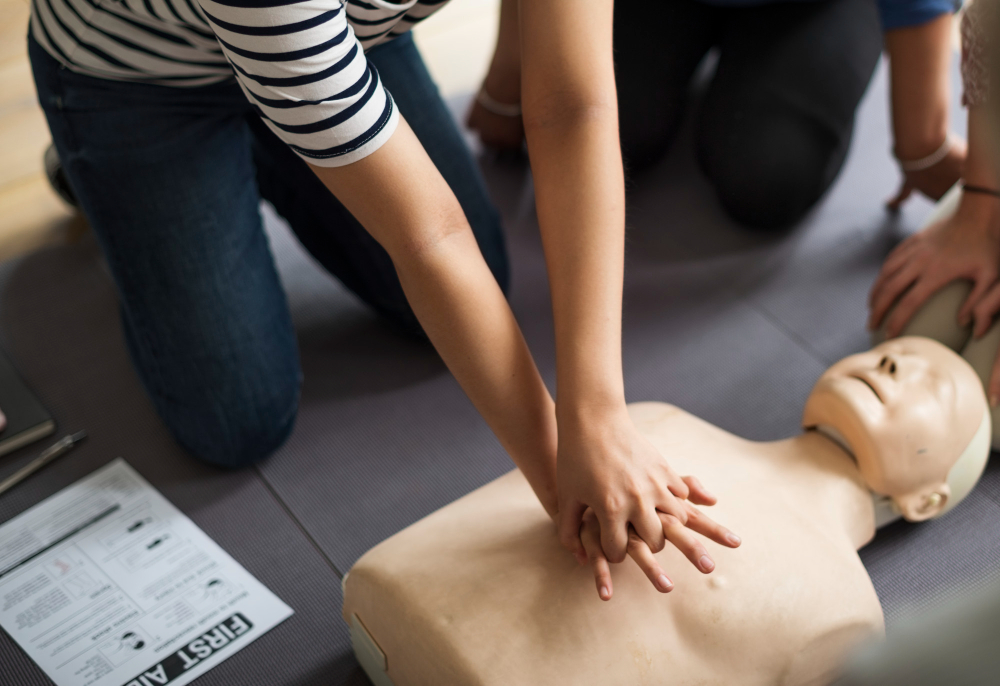
Have you ever considered the possibility of saving a life in a medical emergency? Obtaining Basic Life Support Certification in Canada: One of the most beneficial things that medical professionals and prospective caretakers can do to gain the self-assurance and abilities necessary to react appropriately is to visit Canada. Learning Basic Life Support gives you vital skills that can save lives in dire circumstances, whether you're looking for BLS training for healthcare professionals, investigating CPR online training in Canada, or searching for a BLS course online in Canada.
Why Is Certification in Basic Life Support Important?
Cardiac arrest, choking, and respiratory failure are examples of medical emergencies that can happen suddenly. A person's probability of survival is greatly increased by prompt intervention prior to the arrival of emergency medical personnel. Healthcare professionals who have received Basic Life Support (BLS) training are better equipped to identify emergencies promptly, administer high-quality cardiopulmonary resuscitation (CPR), use an Automated External Defibrillator (AED), and collaborate with a healthcare team.
The BLS certification is typically required for individuals who work directly with patients, such as nurses, paramedics, healthcare assistants, medical students, and others in similar jobs. It does more than just follow rules; it helps create trust between patients and doctors and supports doctors and nurses in giving safe and effective care when there's an emergency.
Learn the Latest Basic Life Support Guidelines
Modern BLS courses are based on internationally recognized guidelines that are regularly updated to reflect the latest scientific evidence. Recent guideline updates focus on improving survival rates through faster recognition of emergencies, improved CPR quality, effective teamwork, and early defibrillation.
The most recent guidelines for ventilation methods, AED use, chest compression depth and rate, and coordinated team responses are taught to participants. Healthcare providers can guarantee that their care is in line with current best practices by adhering to these standards.
Accepting the Chain of Survival
One of the core concepts taught in BLS training for medical personnel is the Chain of Survival. These vital actions improve survival rates during cardiac emergencies.
Included in the Chain of Survival are:
- Early detection of cardiac arrest.
- Emergency medical services are activated right away.
- Superior CPR.
- AED-based early defibrillation.
- Advanced life support.
- Care following cardiac arrest.
Healthcare practitioners can better understand how quick action can significantly improve patient outcomes by comprehending each link.
Understanding the Basics of Basic Life Support
Participants have a solid grasp of Basic Life Support concepts prior to studying advanced procedures.
Training emphasizes:
- Scene safety is evaluated.
- Verifying the response.
- Differentiating between normal and irregular breathing.
- Activating emergency response systems.
- Performing effective chest compressions.
- Delivering rescue breaths as needed.
- Continuous assessment of the patient.
These fundamental abilities equip students to handle crises with poise and assurance.
Adult CPR: Single-Rescuer and Two-Rescuer Approaches
One of the most important parts of any BLS training is still performing CPR on adults.
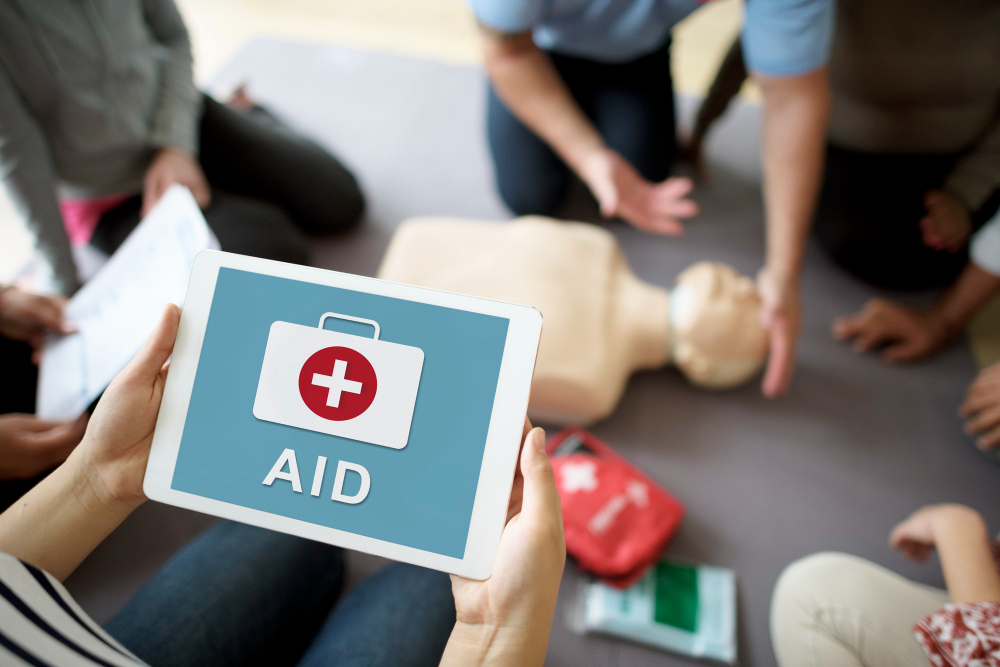
Participants learn how to give CPR on their own and also with help from another person. The main goal of single-rescuer CPR is to work together with the emergency response team and keep doing good-quality chest compressions. Two rescuers working together during CPR can switch smoothly between chest compressions, giving breaths, and using the AED device. This teamwork makes the rescue process more efficient and effective.
Healthcare workers can get ready for many different situations they might face in their work by learning and using both methods.
Providing Effective Ventilation
Good airflow helps bring oxygen to the body when someone can't breathe on their own.
Students use a mouth-to-mask device during training to learn how to breathe safely. During rescue breaths, people are taught how to reduce the chance of getting infected, when to give breaths, how to make sure the mask fits properly, and where to place the mask correctly.
Developing these helpful skills improves oxygen levels in patients during breathing emergencies.
Safe and Effective AED Use
An Automated External Defibrillator (AED) is one of the most effective tools for treating sudden cardiac arrest.
A quality BLS Course Online in Canada explains how AEDs function, when they should be used, and the importance of early defibrillation.
Participants learn how to:
- Use an AED in a safe manner.
- Use electrode pads appropriately.
- Pay attention to vocal cues.
- Reduce disruptions when performing CPR.
- Coordinate defibrillation and CPR.
When used in conjunction with urgent CPR, early AED use dramatically improves survival rates.
Children's Basic Life Support
Specialized evaluation and treatment methods are needed for pediatric emergencies.
For children between the ages of one and eight, BLS instruction covers Basic Life Support, with an emphasis on identifying respiratory emergencies, modifying compression techniques for smaller bodies, and administering age-appropriate rescue breaths.
Developing these specialized abilities is very beneficial for healthcare professionals working in pediatric settings.
Team-Based BLS for Children
Coordinated reactions from several medical specialists are frequently required in pediatric emergencies.
Effective team communication, task delegation, synchronized CPR, and minimizing disruptions during resuscitation efforts are all demonstrated throughout training.
Effective collaboration enhances productivity and promotes improved patient outcomes in life-threatening situations.
How to Become BLS Certified
Many healthcare professionals ask how to become BLS certified.
The process generally includes:
- Enrolling in a BLS program that has been approved.
- Finishing theoretical education.
- Taking part in training and evaluation for practical skills as needed.
- Exhibiting proficiency with an AED and CPR.
- Getting certified after finishing successfully.
In order to make learning more accessible while upholding high clinical standards, many providers now provide flexible learning choices that integrate online theory with in-person practical assessment.
Opportunities for Flexible Learning Across Canada
The adaptability of today's students is unprecedented. Before attending practical skills courses, learners can finish theoretical components at their own pace with the help of CPR online training in Canada alternatives offered by numerous organizations.
Flexible learning options that suit their schedules and professional objectives are available to healthcare professionals across Canada. If you're looking for a basic life support course in Montreal, there are blended programs that offer practical, instructor-led skills evaluations together with easy-to-access online theory. In a similar vein, individuals who are interested in taking a BLS course in Calgary can gain from organized instruction that fosters confidence in CPR, AED use, and emergency response via practical experience. A BLS course in Ottawa offers students in the capital the same excellent quality of instruction, guaranteeing that they acquire the practical skills necessary for actual medical emergencies.
This adaptable strategy preserves the integrity and quality of BLS training while assisting busy medical personnel.
Why Opt for Online Education?
Online education has a number of benefits.
- Take your time studying.
- Get educational resources at any time.
- Before doing a practical exam, go over key ideas.
- Cut down on travel time.
- Strike a balance between your obligations to your family, job, and education.
- Boost self-assurance prior to participating in practical sessions.
Online education, when paired with hands-on training, provides a full learning experience that promotes clinical competence and information retention.
Conclusion
Obtaining a Basic Life Support Certification in Canada is an important investment in both your professional development and your ability to respond confidently during medical emergencies. From understanding the Chain of Survival and performing high-quality CPR to safely using an AED and delivering age-appropriate life support for adults and children, BLS training equips healthcare professionals with essential life-saving skills.
Continuous education guarantees you stay ready to deliver safe, evidence-based emergency care, whether you're looking into CPR online training in Canada, enrolling in a BLS course online in Canada, or searching for local options like a basic life support course in Montreal, Calgary, or Ottawa.
Healthcare professionals can find free CPD courses and useful training materials covering a variety of healthcare topics on Care Learning, a reliable website. In order to improve patient care, it encourages lifelong learning and keeps professionals up to date on the latest best practices. Register or Apply Now.
Frequently Asked Questions
1. What is Canada's Basic Life Support Certification?
Healthcare workers can learn vital emergency response skills from this training program, such as how to operate an AED, perform CPR, and handle life-threatening circumstances.
2. For healthcare workers, who should finish BLS training?
BLS certification is beneficial for frontline healthcare personnel, including nurses, doctors, paramedics, healthcare assistants, medical students, and dentists.
3. How do I become BLS certified?
You can enroll in an approved BLS program, complete the required theory and practical assessment, and successfully demonstrate the required life-saving skills.
4. Is it possible to finish CPR training online in Canada?
In order to obtain certification, several providers offer online theory through blended learning, which is followed by an in-person practical skills assessment.
5. Where in Canada can I locate a BLS course?
BLS programs are offered by accredited providers all around Canada, including in places like Calgary, Ottawa, and Montreal. Many of them also provide flexible online learning choices.