Online First Aid and CPR Course Canada: A Complete Guide
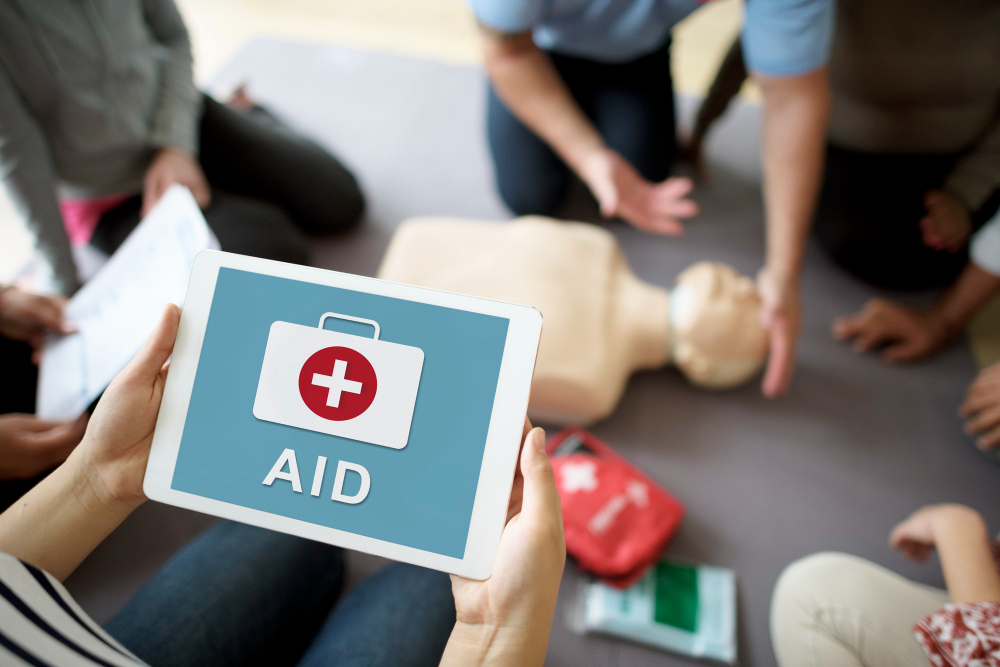
Medical emergencies can occur anywhere, including at home, at work, on the road, and in public areas. It can save lives to know how to react boldly in those crucial initial moments. One of the most practical methods to learn these vital life-saving skills at your own speed is to enroll in an online First Aid and CPR course in Canada. An online first aid course in Canada offers flexible access to important information that may truly make a difference when every second matters, whether you're a healthcare professional, student, caregiver, teacher, parent, or someone trying to increase emergency preparedness.
Why CPR and First Aid Knowledge Is Important
Cardiopulmonary resuscitation, or CPR, and first aid are important skills that let people give immediate help to someone in an emergency until a doctor or nurse can arrive. Getting help early in an emergency can greatly improve the chances of survival and make injuries less serious.
Students who receive first aid instruction gain the abilities necessary to:
- Recognize medical emergencies quickly.
- Assess the safety of the scenario.
- Provide timely assistance.
- Handle injuries well.
- Perform CPR correctly.
- Make use of an AED (automated external defibrillator).
- Assist victims until help arrives.
These skills are valuable not only in healthcare environments but also in schools, offices, sports facilities, construction sites, childcare settings, and everyday life.
An Online CPR and First Aid Course: What Is It?
Evidence-based emergency care teaching is combined with adaptable digital learning in an online first aid program. Without having to attend regular class sessions, students gain a solid grasp of emergency response principles through interactive courses, videos, demonstrations, tests, and case studies.
Typically, a top-notch online first aid course in Canada includes:
- Principles of emergency response
- Scene safety
- Primary assessment
- Secondary assessment
- CPR techniques
- AED operation
- Choking management
- Bleeding control
- Burns
- Sprains and fractures
- Handling shock
- Seizures
- Recognition of strokes
- Reaction to a heart attack
- Medical crises
- Preventing injuries
The ease of learning whenever and wherever it fits into their schedule is valued by many students.
Advantages of Online Education
In Canada, online learning has revolutionized professional education. Training in first aid is no different.
Among the main advantages are:
Adaptable Education
Without having to drive to a training facility, participants can finish courses around job schedules, academic obligations, or family responsibilities.
Self-Directed Advancement
Online programs, in contrast to classroom instruction, let students go back over challenging subjects, halt classes, and go over content several times before moving forward.
Reachable Anywhere
All students need to start learning lifesaving techniques is an internet connection, regardless of whether they live in a big city or a rural area.
Economical Education
Numerous online suppliers offer top-notch educational content while lowering travel and classroom expenditures.
Continuous Refresh of Knowledge
After completing a course, digital resources are frequently still accessible, enabling students to review crucial emergency protocols as needed.
Who Should Complete an Online First Aid Course?
People from practically every field benefit from first aid education.
Typical students consist of:
- Medical professionals
- Medical assistants
- Those who provide care
- Physicians
- Dentists
- Chemists
- Instructors
- Childcare providers
- Exercise instructors
- Security staff
- Officers of occupational health and safety
- Parents
- Students at universities
- Volunteers
Learning how to react confidently in an emergency is beneficial even for people without a background in healthcare.
Comprehending CPR and AED Instruction
When a person's heart stops beating, or their breathing stops being regular, cardiopulmonary resuscitation, or CPR, is a life-saving procedure.
Contemporary CPR incorporates:
- Compressions on the chest
- Rescue breathing (when appropriate)
- Early activation of emergency medical services
- Rapid defibrillation using an Automated External Defibrillator (AED)
Many providers now offer an online CPR course in Canada that introduces learners to these techniques through step-by-step demonstrations and realistic emergency scenarios.
Many programs include an online CPR AED training in addition to CPR, teaching learners how to safely identify cardiac arrest, use an AED, and do high-quality CPR until help arrives.
The Benefits of CPR Training for Public Safety
It has been demonstrated that performing CPR as soon as possible greatly increases survival after a sudden cardiac arrest. The more CPR-trained people there are, the more likely it is that someone nearby will be able to help right away before paramedics show up.
In addition to increasing one's own knowledge, completing CPR online training in Canada helps create safer public spaces, businesses, schools, and communities.
The confidence gained through training often encourages individuals to act quickly during emergencies rather than feeling uncertain or overwhelmed.
How to Get a First Aid Certificate in Canada
Many people ask, how to get a first aid certificate in Canada. The process is generally straightforward, although requirements may vary depending on your employer, province, or profession.
Here are typical pathways:
1. Select a reputable training provider.
2. Sign up for an appropriate first aid course.
3. Finish all tests and learning modules.
4. Fulfill all applicable practical assessment criteria.
5. After finishing the course successfully, get your certificate.
Some occupations require workplace-approved certification, while others may accept fully online learning for Continuing Professional Development (CPD). Always check the certification requirements for your employer or regulatory body before enrolling.
How to Get CPR Certification in Canada
Another common question is how to get CPR certification in Canada.
To obtain CPR certification, learners usually need to:
- Sign up with a reputable educational institution.
- Finish the CPR theory courses.
- Use tests to show that you understand.
- When relevant, successfully finish any necessary practical assessment.
- Get a certificate attesting to your completion of the course.
In order to stay current with emergency care rules and workplace needs, healthcare workers frequently renew their CPR certification on a regular basis.
Choosing the Right Online Course
Not every online course offers the same quality of education. Before enrolling, consider the following factors:
Content Based on Evidence
Select programs created utilizing accepted first aid techniques and the most recent Canadian emergency care guidelines.
Skilled Teachers
There is more assurance that course materials match actual clinical settings when they are created by certified healthcare educators.
Interactive Education
Videos, case studies, animations, and knowledge checks enhance learning and increase retention.
Adaptable Access
The top online courses let students study whenever they want, go back over previously finished modules, and go at their own speed.
Certificate of Completion
Ensure the course provides appropriate documentation upon successful completion if certification is required for employment or professional development.
The Growing Importance of Online Healthcare Education
Healthcare education continues to evolve with digital learning becoming increasingly popular throughout Canada.
Today, professionals are completing a wide range of online healthcare courses in Canada to strengthen clinical knowledge while balancing busy personal and professional lives.
Frequently discussed subjects include:
- Prevention and Management of Infections
- Safety of Medication
- Protection
- Handling by Hand
- Care for Dementia
- Safety of Patients
- Awareness of Mental Health
- Clinical Records
- Ability to Communicate
- CPR and First Aid
Online education helps healthcare workers stay up-to-date with the latest best practices and fulfill their Continuing Professional Development (CPD) requirements.
Let's Look at Why Continuous Learning Matters
Medical knowledge and the ways we handle emergencies are always changing and improving. Finishing a first aid or CPR course isn't just a one-time thing. It's part of a bigger effort to keep learning and growing in your job.
Regularly reviewing information benefits students:
- In an emergency, keep your composure.
- Boost reaction times.
- Make more sensible decisions.
- Keep abreast of the most recent recommendations for emergency care.
- Comply with workplace regulations.
- Deliver safer care within professional and community settings.
Whether you are a healthcare worker or a member of the public, investing in ongoing learning ensures your skills remain relevant and effective.
In Short
Taking an online CPR and First Aid class in Canada is a great way to boost your personal and job safety. These important skills, like knowing how to spot medical problems, doing CPR, using an AED, and giving emergency first aid, help people act calmly and confidently during emergencies.
Flexible online learning makes high-quality education more accessible than ever before, whether you're looking into taking a Canadian online first aid course, enrolling in one, finishing an online CPR course, or improving your emergency response abilities with an online CPR AED course.
Learning first aid helps not only doctors and nurses but also parents, teachers, babysitters, students, workers, and anyone who wants to help others during emergencies. It makes a real difference when something goes wrong.
Care Learning is a website where you can take free CPD courses and find lots of information on different healthcare and professional development subjects. It helps people learn more and feel more confident by offering online education that fits your schedule. Apply or register today.
Frequently Asked Questions
1. In Canada, who should enroll in an online course on CPR and first aid?
Healthcare professionals, caregivers, educators, childcare providers, students, parents, employees of the workplace, volunteers, and members of the public who wish to react with confidence in an emergency can all benefit from first aid and CPR training.
2. Is it possible to finish a first aid course completely online?
You can study at your own speed using online theory-based learning offered by several companies. Certain certifications may also call for a practical evaluation, depending on workplace or legal requirements. Prior to registering, always review the course specifics.
3. What is the duration of an online course in CPR and First Aid?
The length of the course varies based on the training level and supplier. The majority of online courses may be finished in a few hours, and students are free to advance at their own speed.
4. What makes CPR instruction crucial?
When the heart stops, CPR helps keep blood moving and oxygen reaching important organs until help from medical professionals arrives. Starting CPR early is very important in an emergency and can greatly improve the chances of survival.
5. How often should someone update their knowledge of First Aid and CPR?
Healthcare workers and a lot of jobs suggest keeping up with first aid and CPR training often so people stay up to date with the latest rules for handling emergencies and feel sure about their ability to help in real situations.