
Emergency Medical Responder (EMR) Training
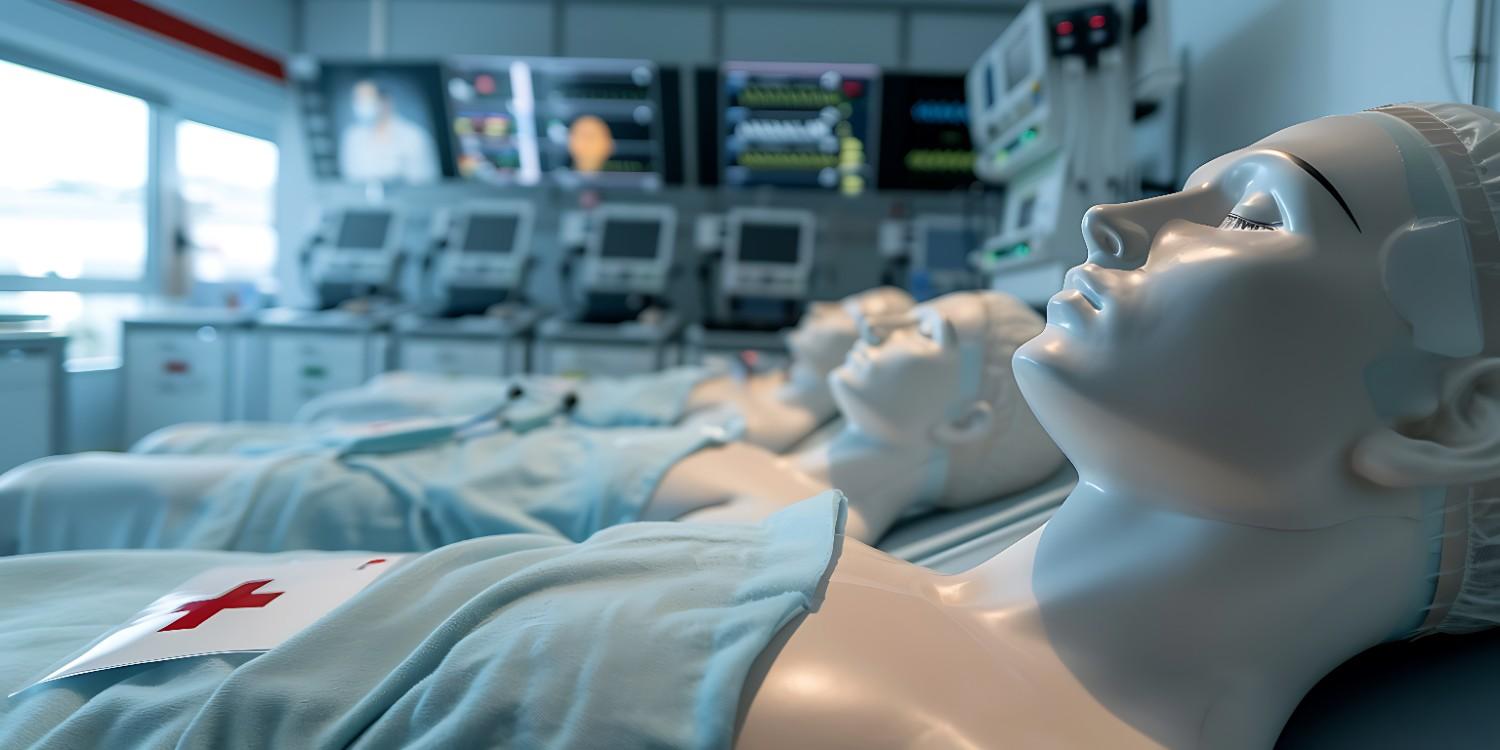
Build the essential skills needed to respond confidently to medical emergencies with this comprehensive Emergency Medical Responder (EMR) Training course. Learn how to assess emergency scenes, perform patient evaluations, manage airways, control bleeding, administer CPR and use an AED, and provide initial care for a wide range of medical and trauma emergencies. The course also covers communication, documentation, legal responsibilities, personal resilience, and safe patient handling, preparing learners to deliver effective pre-hospital emergency care while awaiting advanced medical assistance.
.jpg)
Learning Outcomes
What you'll learn
- Explain the roles, responsibilities, and professional standards of an Emergency Medical Responder (EMR).
- Identify legal, ethical, and safety considerations during emergency response situations.
- Demonstrate effective communication with patients, bystanders, and emergency response teams.
- Assess emergency scenes and recognise potential hazards before providing patient care.
- Perform primary patient assessments, including airway, breathing, and circulation (ABC) checks.
- Apply basic airway management techniques and use appropriate emergency equipment safely.
- Demonstrate effective bleeding control methods, CPR, and automated external defibrillator (AED) procedures.
- Recognise the signs and symptoms of common medical emergencies and provide appropriate first-response care.
- Provide initial care for traumatic injuries, including burns, fractures, spinal injuries, and severe bleeding.
- Apply safe patient handling, lifting, and moving techniques while protecting both patient and responder.
- Document emergency incidents accurately and maintain clear medical records.
- Demonstrate emotional resilience, stress management, and teamwork skills during high-pressure emergency situations.
Stay updated with our


Learning Outcomes
What you'll learn
- Explain the roles, responsibilities, and professional standards of an Emergency Medical Responder (EMR).
- Identify legal, ethical, and safety considerations during emergency response situations.
- Demonstrate effective communication with patients, bystanders, and emergency response teams.
- Assess emergency scenes and recognise potential hazards before providing patient care.
- Perform primary patient assessments, including airway, breathing, and circulation (ABC) checks.
- Apply basic airway management techniques and use appropriate emergency equipment safely.
- Demonstrate effective bleeding control methods, CPR, and automated external defibrillator (AED) procedures.
- Recognise the signs and symptoms of common medical emergencies and provide appropriate first-response care.
- Provide initial care for traumatic injuries, including burns, fractures, spinal injuries, and severe bleeding.
- Apply safe patient handling, lifting, and moving techniques while protecting both patient and responder.
- Document emergency incidents accurately and maintain clear medical records.
- Demonstrate emotional resilience, stress management, and teamwork skills during high-pressure emergency situations.
Stay updated with our
Training Overview
- Understanding the Role of an Emergency Medical Responder
- Ensuring Scene Safety and Risk Assessment
- Conducting Patient Assessment and Initial Evaluation
- Airway Management and Respiratory Support
- Bleeding Control, CPR, and AED Response
- Responding to Medical Emergencies and Traumatic Injuries
- Summary
.jpg)
.jpg)
.jpg)
.jpg)
.jpg)
.jpg)
.jpg)
Top reviews
No reviews yet.
You May Also Like
.jpg)
.jpg)
.jpg)
.jpg)
.jpg)
.jpg)
Take Your
Learning Anywhere
Stay on top of your learning with the Care Learning app.


Are you a qualified
Trainer or Instructor?
Join Care Learning as a trainer and deliver high-quality courses to learners across healthcare and workplace training.
Refer a Friend &
Earn Rewards.
Invite healthcare professionals to join Care Learning and get rewarded when your referral successfully joins.
Frequently asked questions
The course covers scene safety, patient assessment, airway management, bleeding control, CPR, AED use, medical emergencies, trauma care, safe lifting, communication, documentation, and emergency response procedures.
Yes, you will receive a certification upon successful completion of the Emergency Medical Responder (EMR) Training course.
To register, log in or sign in to your Care Learning account using your email and password. If you are new, create an account at care-learning.com and enrol in the course.
Yes, this course is suitable for emergency medical responders, healthcare professionals, first aid providers, and anyone seeking foundational knowledge in emergency response and pre-hospital patient care.