
Hand Hygiene
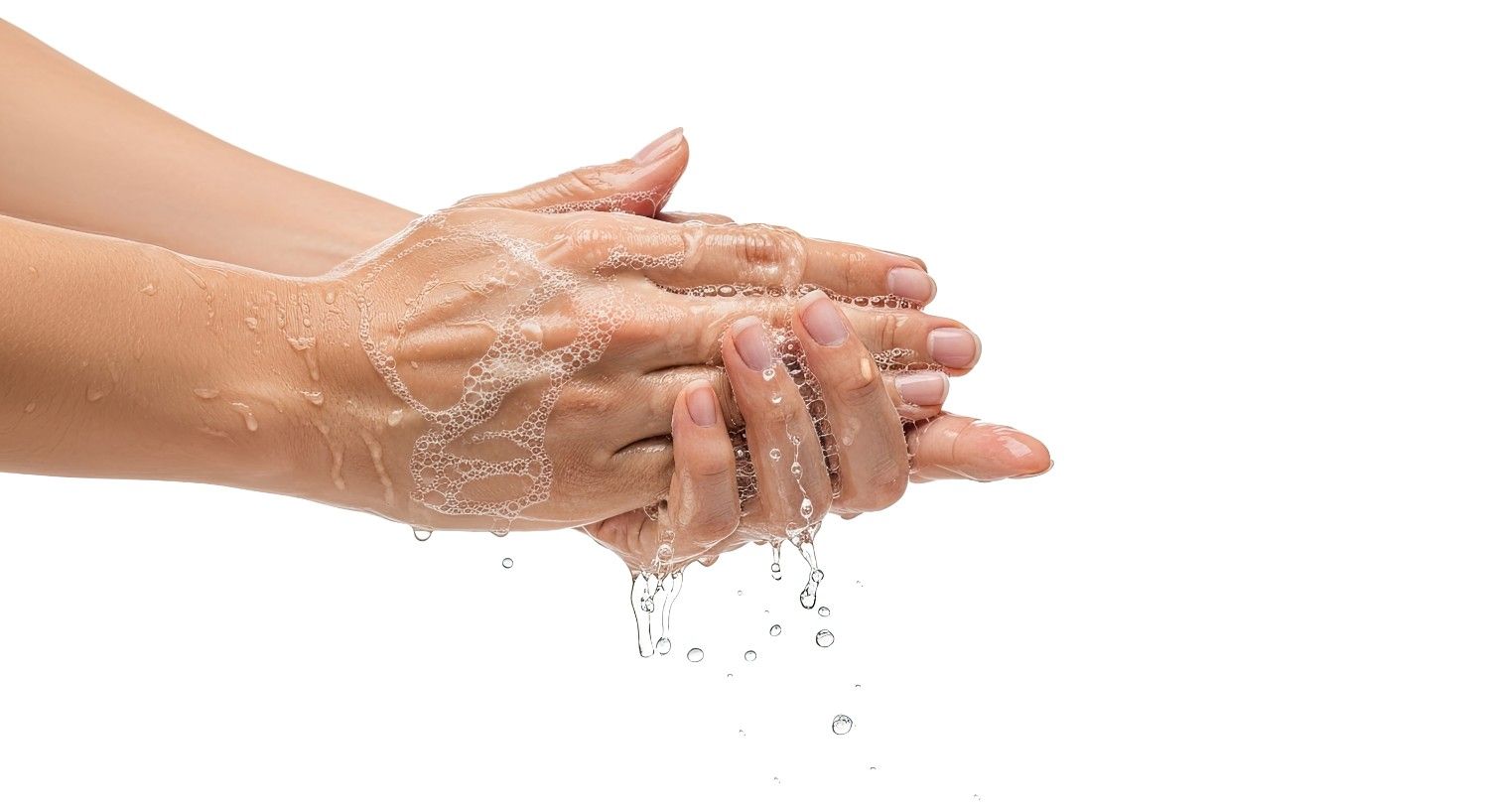
Hand hygiene is one of the simplest yet most effective measures for preventing the spread of infections in healthcare and community settings. Every day, our hands come into contact with patients, colleagues, equipment, surfaces, and numerous objects that may carry harmful microorganisms. Without proper hand hygiene, these microorganisms can easily spread from one person to another, increasing the risk of healthcare-associated infections (HAIs), workplace illnesses, and outbreaks of communicable diseases. Consistent hand hygiene protects not only patients and service users but also healthcare professionals, carers, visitors, and the wider public.
Learning Outcomes
What you'll learn
- Define hand hygiene and explain its role in Infection Prevention and Control (IPAC).
- Describe why hand hygiene is considered the most effective method for preventing the spread of infections.
- Identify the different types of microorganisms that may be transferred through contaminated hands.
- Explain when hand hygiene should be performed in healthcare and workplace settings.
- Distinguish between handwashing with soap and water and the use of alcohol-based hand rubs.
- Demonstrate the correct handwashing technique using soap and running water.
- Demonstrate the correct technique for using alcohol-based hand rubs.
- Identify situations where soap and water should be used instead of alcohol-based hand rubs.
- Recognise common hand hygiene mistakes that increase the risk of infection transmission.
- Explain the importance of skin care in maintaining effective hand hygiene practices.
- Understand the relationship between glove use and hand hygiene.
- Promote best practices that improve hand hygiene compliance within healthcare environments.
Stay updated with our


Learning Outcomes
What you'll learn
- Define hand hygiene and explain its role in Infection Prevention and Control (IPAC).
- Describe why hand hygiene is considered the most effective method for preventing the spread of infections.
- Identify the different types of microorganisms that may be transferred through contaminated hands.
- Explain when hand hygiene should be performed in healthcare and workplace settings.
- Distinguish between handwashing with soap and water and the use of alcohol-based hand rubs.
- Demonstrate the correct handwashing technique using soap and running water.
- Demonstrate the correct technique for using alcohol-based hand rubs.
- Identify situations where soap and water should be used instead of alcohol-based hand rubs.
- Recognise common hand hygiene mistakes that increase the risk of infection transmission.
- Explain the importance of skin care in maintaining effective hand hygiene practices.
- Understand the relationship between glove use and hand hygiene.
- Promote best practices that improve hand hygiene compliance within healthcare environments.
Stay updated with our
Training Overview
- Understanding Hand Hygiene
- When to Perform Hand Hygiene
- Handwashing with Soap and Water
- Using Alcohol-Based Hand Rubs (ABHR)
- Skin Care and Common Hand Hygiene Mistakes
- Promoting Best Practice in Hand Hygiene
- Summary

Top reviews
No reviews yet.
You May Also Like
.jpg)

.jpg)
.jpg)
.jpg)
.jpg)
.jpg)
Take Your
Learning Anywhere
Stay on top of your learning with the Care Learning app.


Are you a qualified
Trainer or Instructor?
Join Care Learning as a trainer and deliver high-quality courses to learners across healthcare and workplace training.
Refer a Friend &
Earn Rewards.
Invite healthcare professionals to join Care Learning and get rewarded when your referral successfully joins.
Frequently asked questions
Hand hygiene is the process of removing or destroying harmful microorganisms from the hands using soap and running water or an alcohol-based hand rub.
You should wash your hands with soap and running water whenever they are visibly dirty or contaminated with blood, body fluids, or other organic material.
No. Gloves do not replace hand hygiene. Hands should always be cleaned before putting on gloves and immediately after removing them, as microorganisms can contaminate the hands during glove use or removal.
Hand hygiene helps prevent healthcare-associated infections (HAIs) by reducing the transmission of harmful microorganisms between patients, healthcare workers, equipment, and the healthcare environment.
Frequent hand hygiene can cause skin dryness if proper skin care is not maintained. However, most alcohol-based hand rubs contain moisturising ingredients, and regular use of approved hand lotions helps maintain healthy skin and reduce irritation.
Common mistakes include washing hands for too short a time, missing areas such as the thumbs and fingertips, using too little alcohol-based hand rub, wearing hand jewellery or artificial nails.