

Introduction to HIV/AIDS: Essential Knowledge for Healthcare
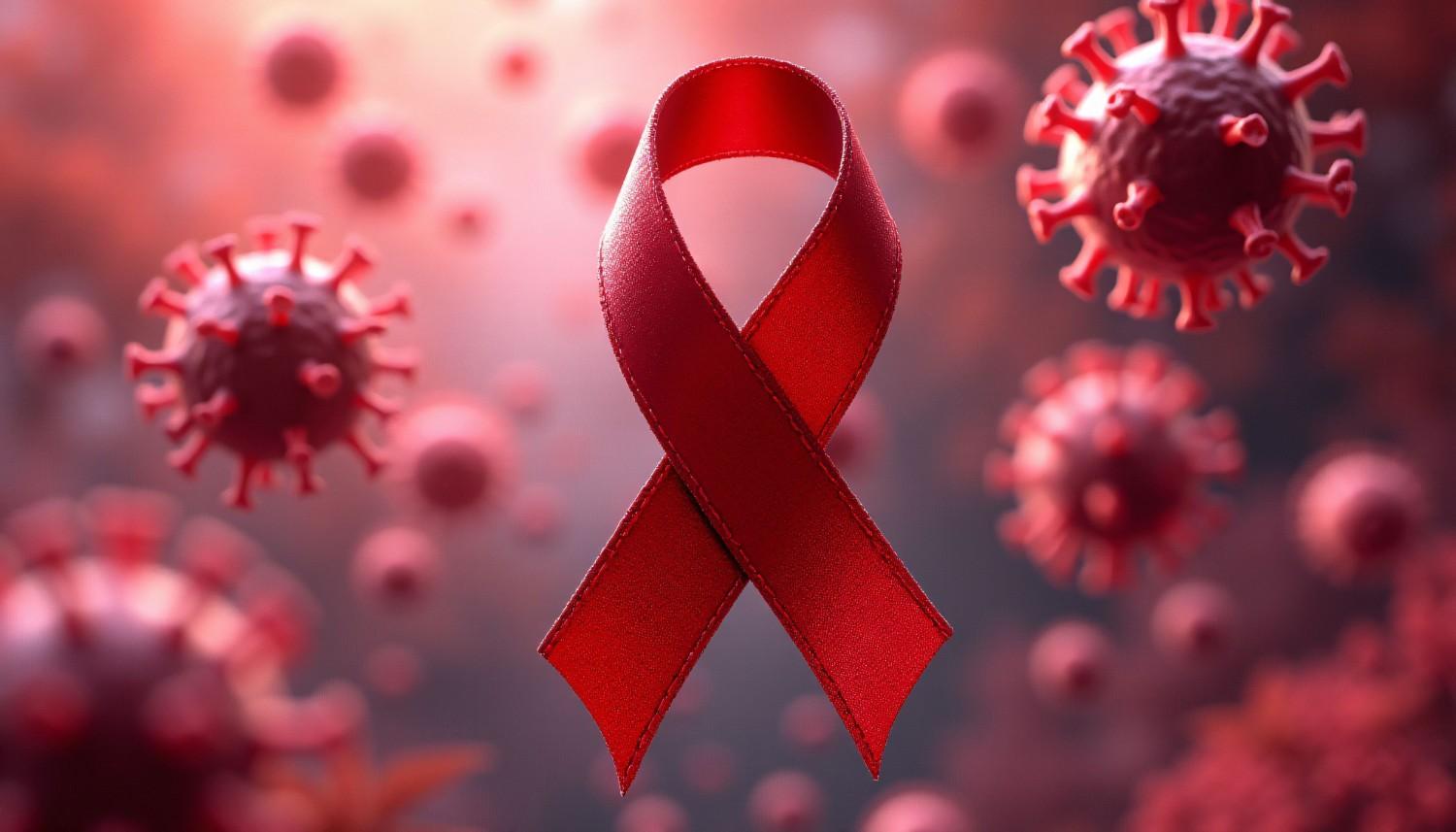
Gain a solid understanding of HIV/AIDS, including its effects on the immune system, stages of infection, modes of transmission, prevention strategies, and the importance of reducing stigma. This course equips learners with the knowledge to promote awareness, support safe practices, and provide informed, compassionate care.
Learning Outcomes
What you'll learn
- Define HIV and AIDS and distinguish between Human Immunodeficiency Virus (HIV) and Acquired Immunodeficiency Syndrome (AIDS).
- Explain how HIV affects the immune system and understand its impact on the body's ability to fight infections.
- Describe the stages of HIV infection, including the primary infection, minor symptomatic phase, and severe symptomatic phase.
- Identify common sexually transmitted infections (STIs) and understand their relationship with HIV transmission and prevention.
- Recognise the main modes of HIV transmission, including sexual contact, mother-to-child transmission, blood transfusions, and shared needles.
- Explain how HIV can be prevented through safe practices, screening, and public health interventions.
- Understand the risks associated with contaminated blood products and needle sharing in the spread of HIV.
- Discuss strategies to reduce stigma and discrimination towards individuals living with HIV/AIDS.
- Promote awareness and education to support early diagnosis, prevention, and appropriate treatment of HIV/AIDS.
- Apply fundamental knowledge of HIV/AIDS to encourage safer healthcare practices and informed decision-making


Learning Outcomes
What you'll learn
- Define HIV and AIDS and distinguish between Human Immunodeficiency Virus (HIV) and Acquired Immunodeficiency Syndrome (AIDS).
- Explain how HIV affects the immune system and understand its impact on the body's ability to fight infections.
- Describe the stages of HIV infection, including the primary infection, minor symptomatic phase, and severe symptomatic phase.
- Identify common sexually transmitted infections (STIs) and understand their relationship with HIV transmission and prevention.
- Recognise the main modes of HIV transmission, including sexual contact, mother-to-child transmission, blood transfusions, and shared needles.
- Explain how HIV can be prevented through safe practices, screening, and public health interventions.
- Understand the risks associated with contaminated blood products and needle sharing in the spread of HIV.
- Discuss strategies to reduce stigma and discrimination towards individuals living with HIV/AIDS.
- Promote awareness and education to support early diagnosis, prevention, and appropriate treatment of HIV/AIDS.
- Apply fundamental knowledge of HIV/AIDS to encourage safer healthcare practices and informed decision-making
Modules
Module 1
Introduction to HIV/AIDS
Module 2
Stages of HIV Infection
Module 3
Managing Life with HIV
Module 4
Understanding Sexually Transmitted Infections (STIs)
Module 5
Behaviours That Increase HIV and STI Risk
Module 6
Recognising the Signs and Symptoms of STIs
Module 7
Summary
Top reviews
No reviews yet.
You May Also Like





Learn Anytime
Anywhere
Experience the next level of learning with the Care Learning app. Available on Android and iOS.


Come and Work
with Us!
Join us as a healthcare trainer providing practical sessions to professionals and workers.
Apply for Trainer RoleIn-Person Practical
Healthcare Training
Enroll in our accredited, hands-on practical training sessions to deliver better patientcentred care.
Apply for TrainingRefer &
Earn Rewards.
Invite healthcare professionals to join Care Learning and earn rewards for every successful referral.
Frequently Asked Questions
The course covers HIV and AIDS, stages of HIV infection, transmission, prevention, antiretroviral therapy (ART), sexually transmitted infections (STIs), high-risk behaviours, testing, and reducing stigma.
Yes, you will receive a certification upon successful completion of the course.
To register, sign in to your Care Learning account using your email and password. New users can create an account at care-learning.com.
Yes, this course is suitable for healthcare professionals, caregivers, support workers, and anyone seeking a better understanding of HIV/AIDS prevention, transmission, treatment, and compassionate care.