
Oxygen Therapy Principles
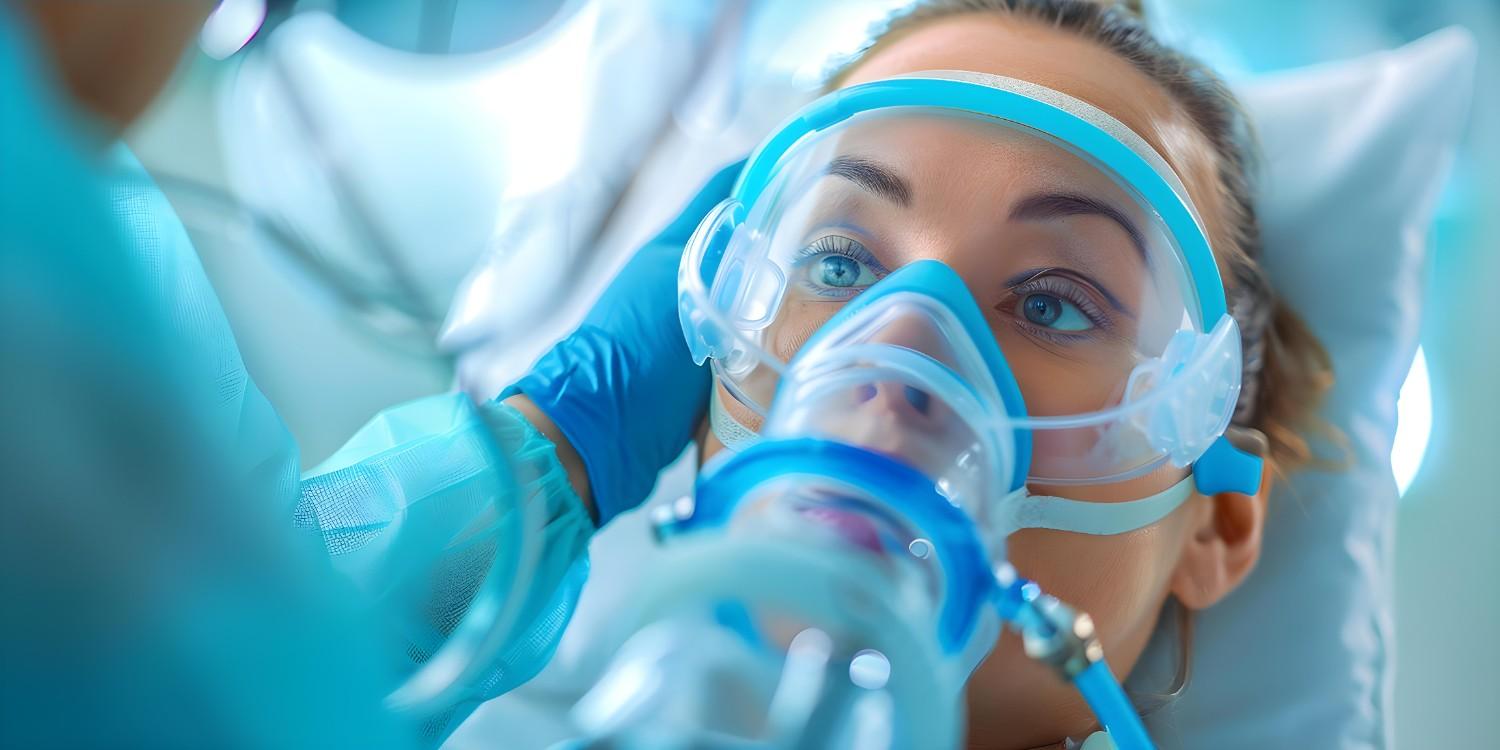
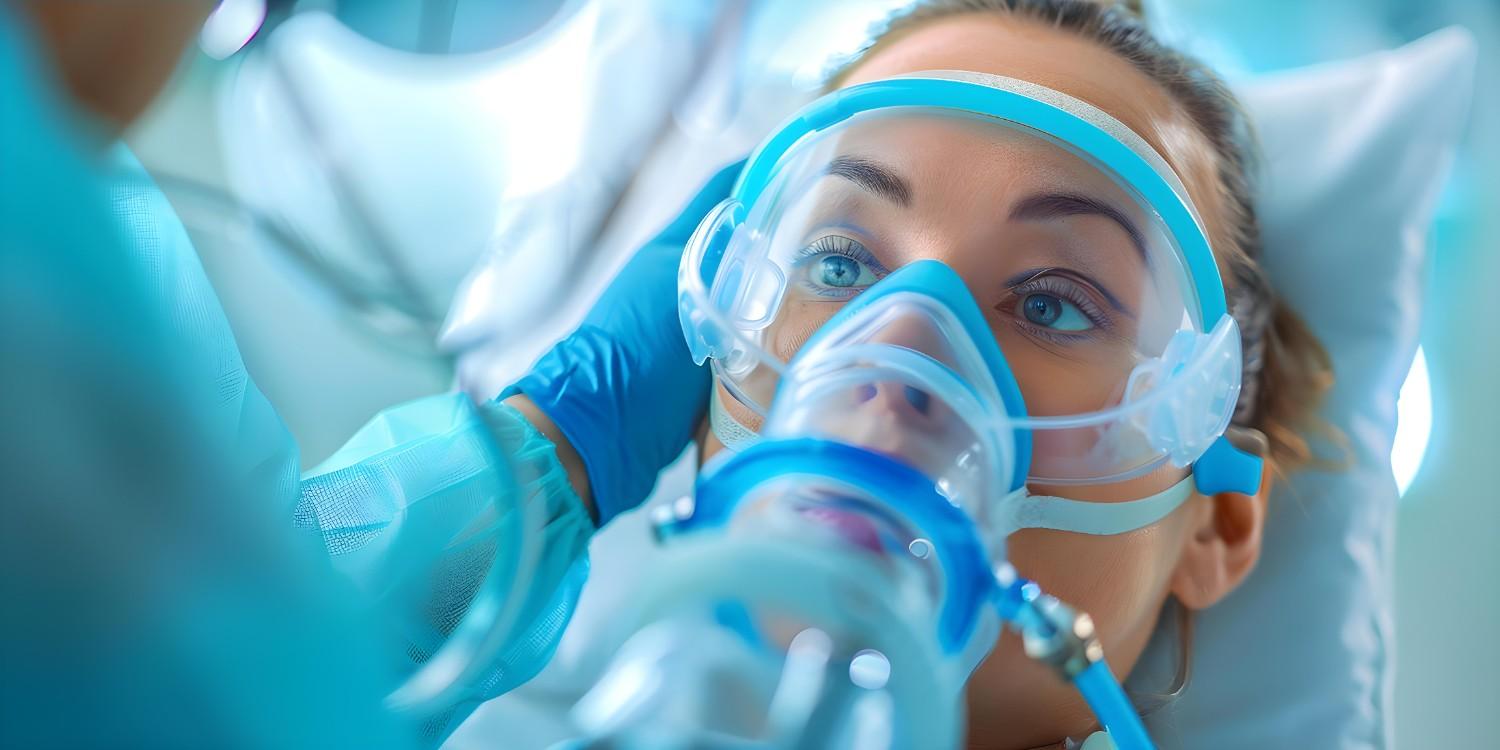
Oxygen therapy is one of the most frequently used clinical interventions in healthcare and plays a vital role in the treatment of patients experiencing acute or chronic respiratory compromise. While oxygen is considered an essential medicine, it must be prescribed, administered, monitored, and adjusted carefully to achieve therapeutic benefits while avoiding complications. Inappropriate oxygen administration can lead to serious adverse effects, making a sound understanding of oxygen therapy principles essential for all healthcare professionals involved in patient care.
.jpg)
Learning Outcomes
What you'll learn
- Define oxygen therapy and explain its clinical purpose.
- Describe the physiology of oxygen transport and gas exchange.
- Identify common indications for supplemental oxygen therapy.
- Recognise patients requiring immediate oxygen assessment.
- Understand Canadian best practice recommendations for oxygen therapy.
- Explain oxygen prescribing principles and target oxygen saturation ranges.
- Differentiate between various oxygen delivery systems.
- Select appropriate oxygen delivery devices according to patient needs.
- Identify complications associated with oxygen therapy.
- Collaborate effectively within multidisciplinary healthcare teams.
- Support quality improvement initiatives relating to oxygen safety.
- Demonstrate professional accountability when managing oxygen therapy.
Stay updated with our


Learning Outcomes
What you'll learn
- Define oxygen therapy and explain its clinical purpose.
- Describe the physiology of oxygen transport and gas exchange.
- Identify common indications for supplemental oxygen therapy.
- Recognise patients requiring immediate oxygen assessment.
- Understand Canadian best practice recommendations for oxygen therapy.
- Explain oxygen prescribing principles and target oxygen saturation ranges.
- Differentiate between various oxygen delivery systems.
- Select appropriate oxygen delivery devices according to patient needs.
- Identify complications associated with oxygen therapy.
- Collaborate effectively within multidisciplinary healthcare teams.
- Support quality improvement initiatives relating to oxygen safety.
- Demonstrate professional accountability when managing oxygen therapy.
Stay updated with our
Training Overview
- Introduction to Oxygen Therapy
- Oxygen Assessment, Prescribing, and Delivery Systems
- Safe Administration, Monitoring, and Complications of Oxygen Therapy
- Emergency Oxygen Therapy and Special Patient Considerations
- Patient Education, Documentation, Infection Prevention, and Safe Oxygen Use at Home
- Quality Improvement, Professional Responsibilities, and Future Developments in Oxygen Therapy
- Summary
.jpg)
.jpg)
.jpg)
.jpg)
.jpg)
Top reviews
No reviews yet.
You May Also Like
.jpg)
.jpg)
.jpg)
.jpg)
.jpg)
.jpg)
Take Your
Learning Anywhere
Stay on top of your learning with the Care Learning app.


Are you a qualified
Trainer or Instructor?
Join Care Learning as a trainer and deliver high-quality courses to learners across healthcare and workplace training.
Refer a Friend &
Earn Rewards.
Invite healthcare professionals to join Care Learning and get rewarded when your referral successfully joins.
Frequently asked questions
Oxygen therapy is the administration of supplemental oxygen to patients whose blood oxygen levels are lower than normal.
Oxygen therapy may be required for patients with conditions such as pneumonia, chronic obstructive pulmonary disease (COPD), asthma, heart failure, pulmonary embolism, trauma, sepsis, COVID-19
Oxygen is classified as a medication because it has specific indications, prescribed doses, target oxygen saturation ranges, potential side effects, and monitoring requirements.
Healthcare professionals monitor oxygen therapy using pulse oximetry, respiratory assessment, oxygen saturation levels, respiratory rate, work of breathing, heart rate, blood pressure, level of consciousness
Yes. Excessive oxygen administration may lead to hyperoxaemia, oxygen toxicity, absorption atelectasis, and worsening carbon dioxide retention in susceptible patients such as those with chronic obstructive pulmonary disease (COPD)
Patients should never smoke while using oxygen, keep oxygen away from open flames and heat sources, store oxygen cylinders securely, use equipment according to instructions, inspect tubing regularly, and seek medical advice