
Radon
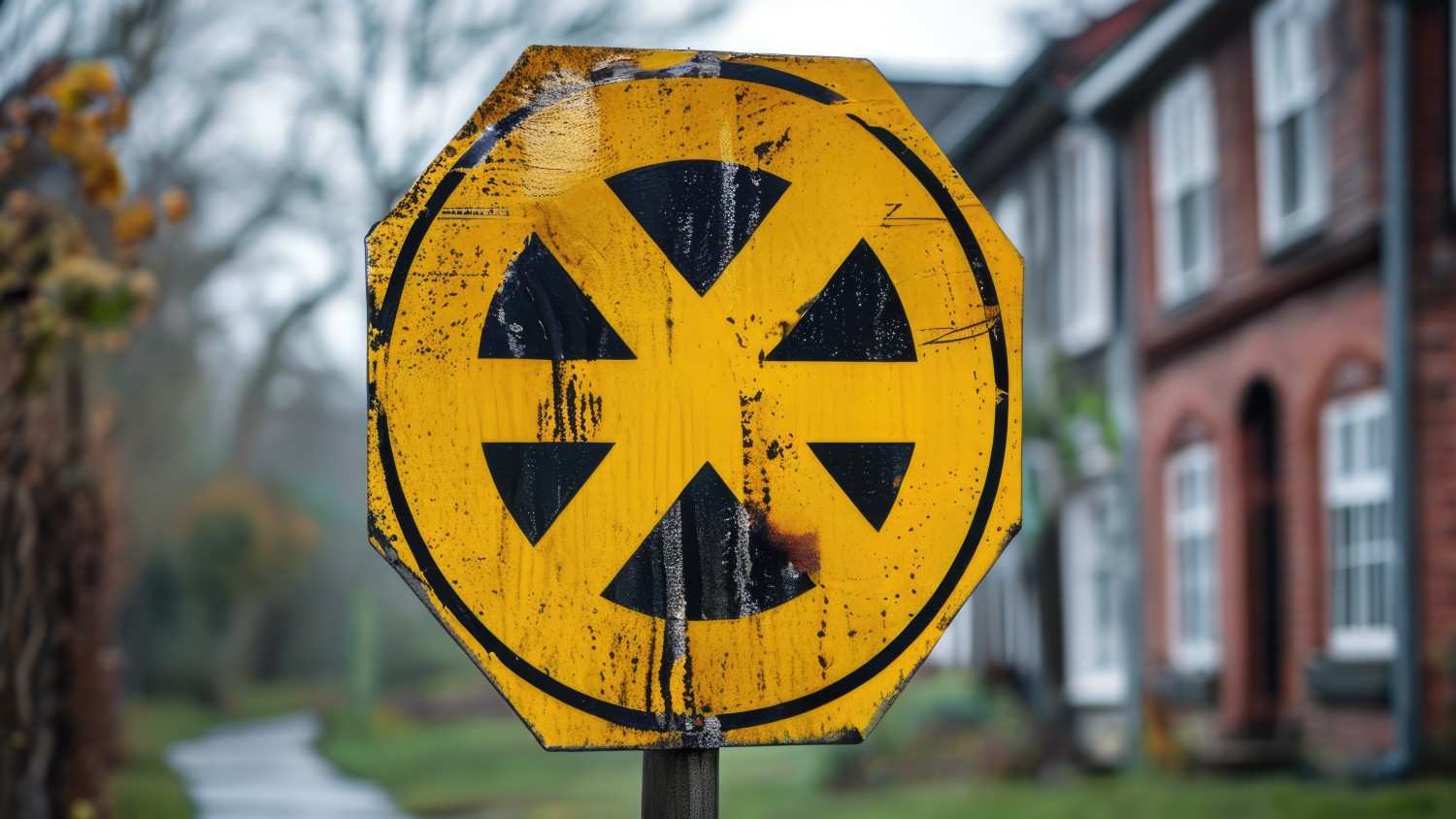
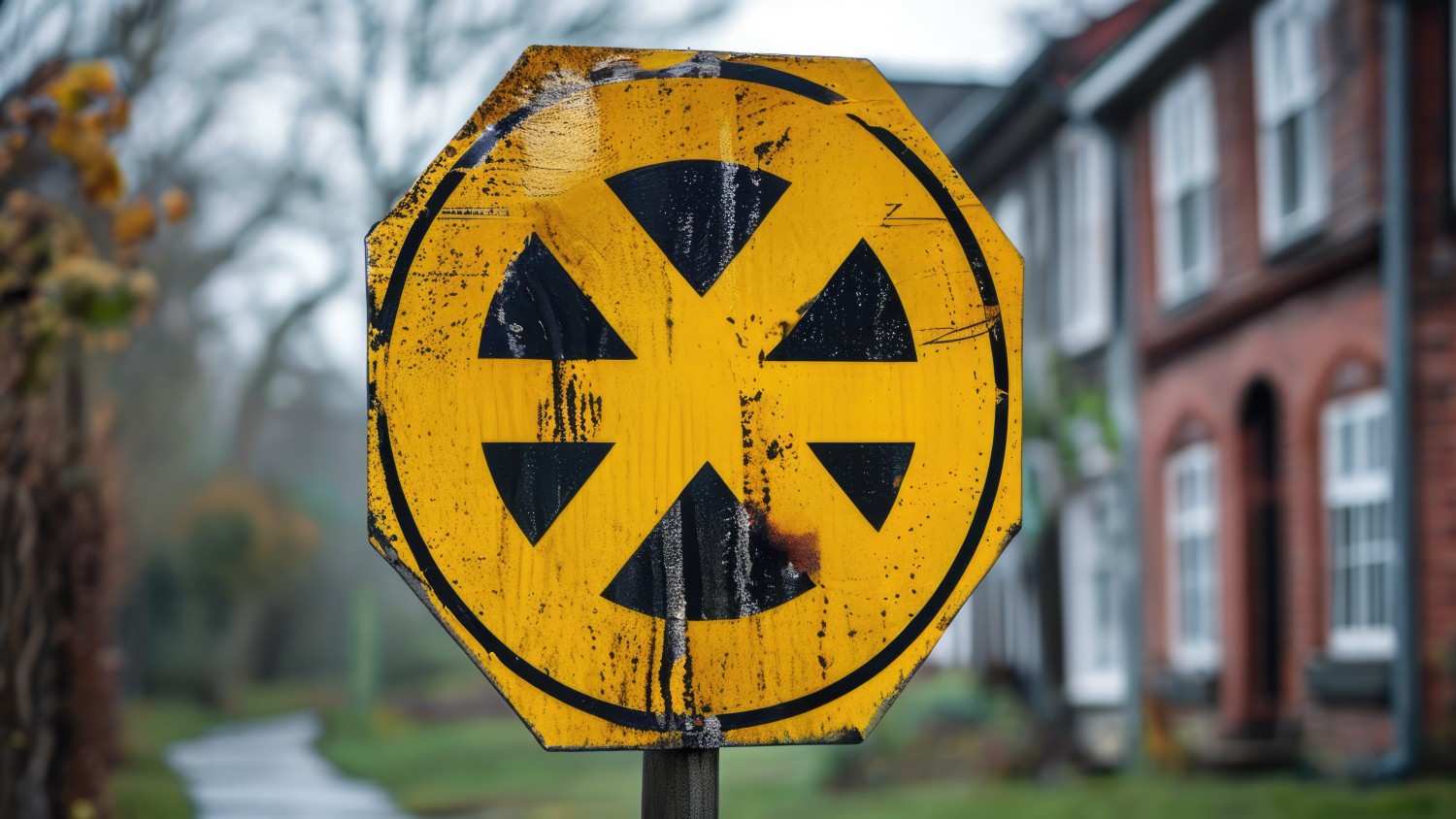
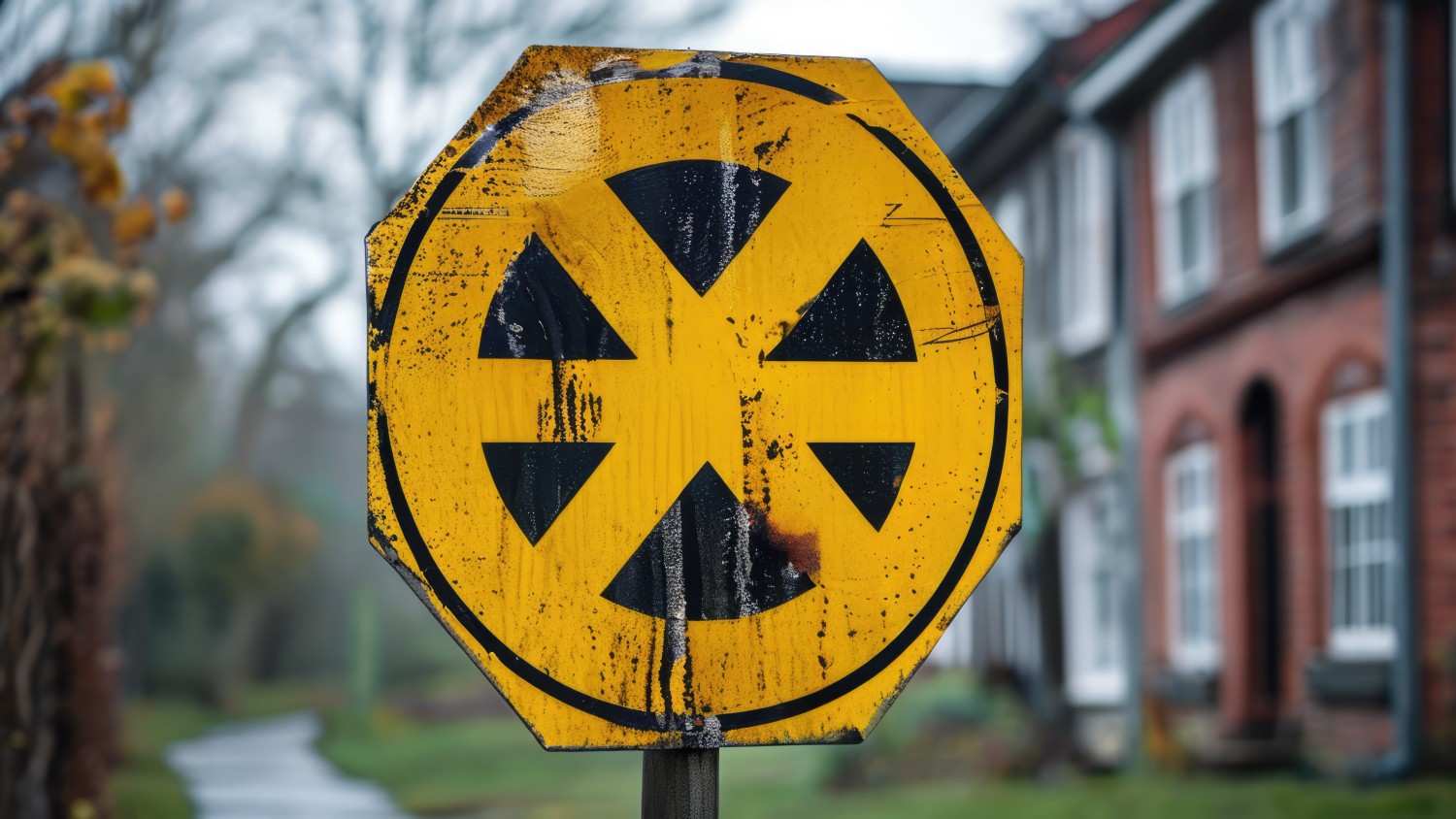
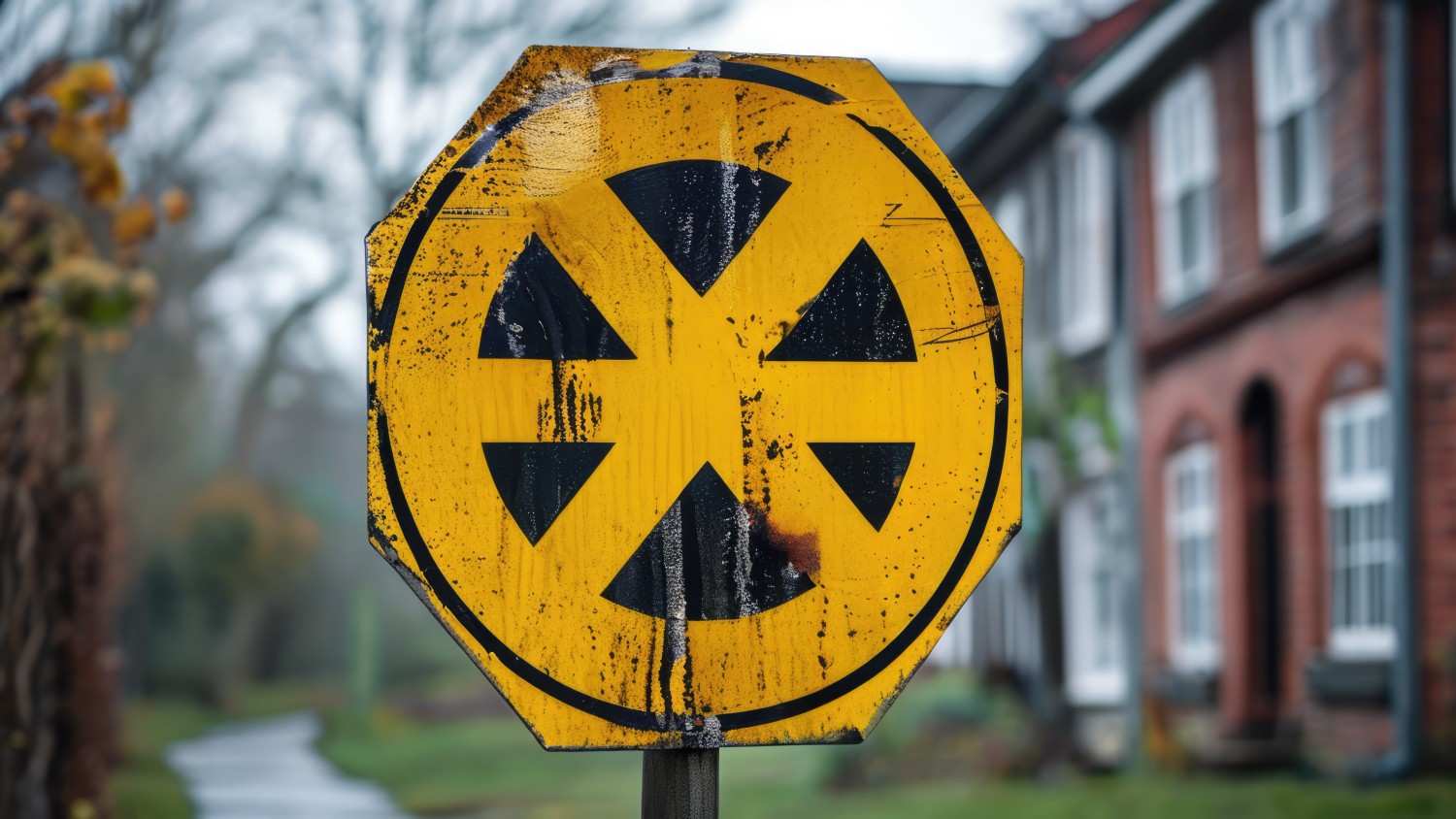
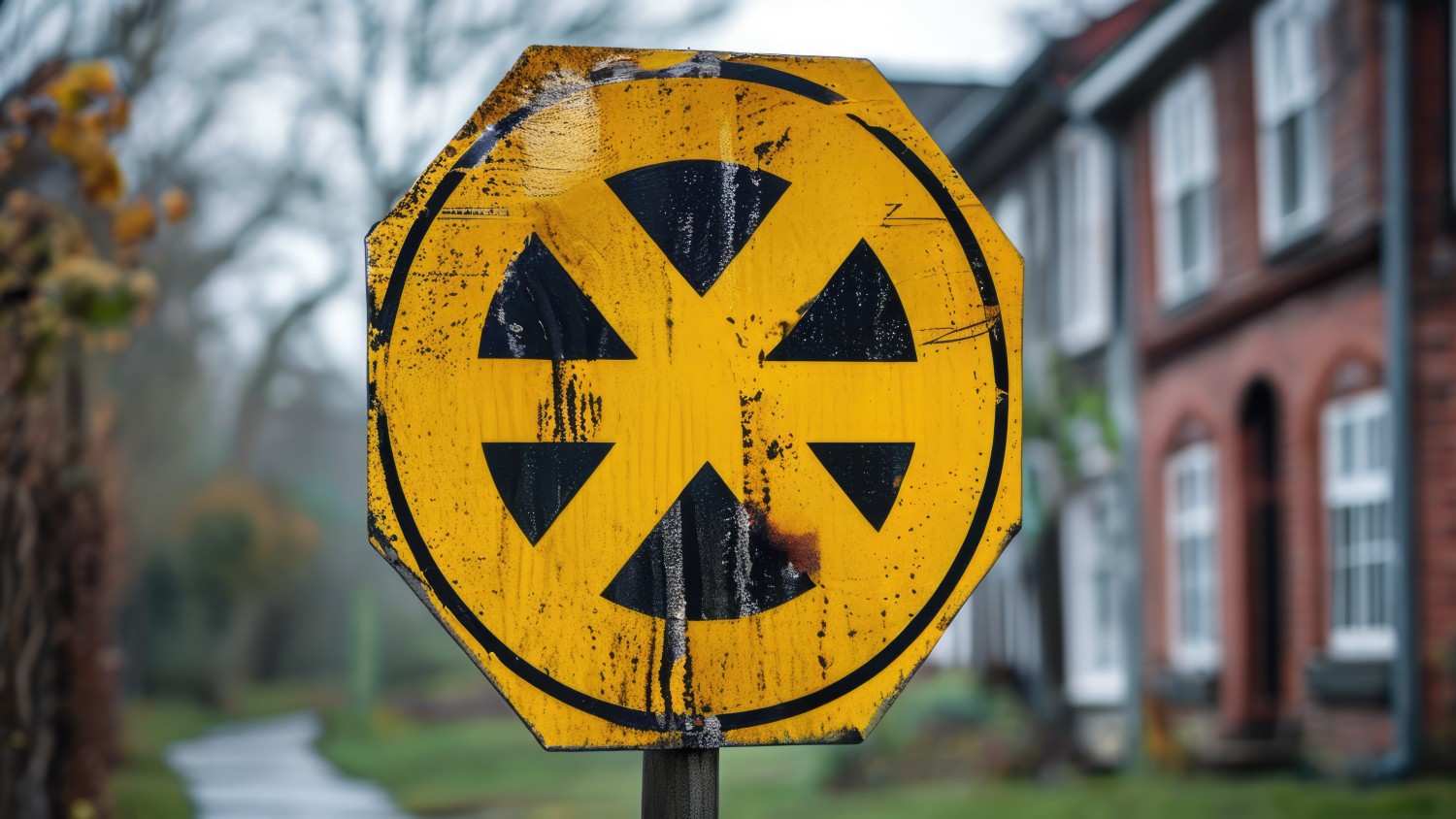
Radon is a naturally occurring radioactive gas that is colourless, odourless, and tasteless. It forms from the breakdown of uranium in soil, rock, and water and can accumulate in homes, workplaces, schools, and other indoor environments. Because radon cannot be detected by human senses, many individuals remain unaware of their exposure. Radon exposure is recognised as the second leading cause of lung cancer after smoking and is associated with thousands of preventable deaths each year. The risk is particularly significant for smokers and former smokers, as tobacco smoke and radon exposure together greatly increase the likelihood of developing lung cancer.
Learning Outcomes
What you'll learn
- Acknowledge that radon exposure poses a significant public health risk.
- Recognise the relationship between radon exposure and lung cancer, particularly among non-smokers.
- Explain the mechanisms through which radon contributes to carcinogenesis.
- Discuss the interaction between smoking and radon exposure.
- Educate patients regarding radon testing and mitigation strategies.
- Incorporate radon counselling into smoking cessation and healthy home discussions.
- Describe methods used to detect radon in residential environments.
- Identify practical interventions for reducing indoor radon levels.
- Promote awareness of environmental health risks within communities.
- Support public health efforts aimed at reducing radon-related disease.
Stay updated with our


Learning Outcomes
What you'll learn
- Acknowledge that radon exposure poses a significant public health risk.
- Recognise the relationship between radon exposure and lung cancer, particularly among non-smokers.
- Explain the mechanisms through which radon contributes to carcinogenesis.
- Discuss the interaction between smoking and radon exposure.
- Educate patients regarding radon testing and mitigation strategies.
- Incorporate radon counselling into smoking cessation and healthy home discussions.
- Describe methods used to detect radon in residential environments.
- Identify practical interventions for reducing indoor radon levels.
- Promote awareness of environmental health risks within communities.
- Support public health efforts aimed at reducing radon-related disease.
Stay updated with our
Training Overview
- Introduction to Radon and Environmental Health
- Health Effects of Radon Exposure
- Radon Detection and Home Testing
- Reducing Radon Exposure
- Clinical Counselling and Patient Education
- Community Prevention and Public Health Strategies
- Summary
.jpg)
.jpg)
.jpg)
Top reviews
No reviews yet.
You May Also Like
.jpg)
.jpg)
.jpg)
.jpg)
.jpg)
.jpg)
Take Your
Learning Anywhere
Stay on top of your learning with the Care Learning app.


Are you a qualified
Trainer or Instructor?
Join Care Learning as a trainer and deliver high-quality courses to learners across healthcare and workplace training.
Refer a Friend &
Earn Rewards.
Invite healthcare professionals to join Care Learning and get rewarded when your referral successfully joins.
Frequently asked questions
Radon is a naturally occurring radioactive gas produced by the breakdown of uranium in soil, rock, and water.
Long-term exposure to elevated radon levels increases the risk of developing lung cancer.
No. Radon is colourless, odourless, and tasteless. Testing is required to detect it.
Smokers exposed to radon have the highest risk, although non-smokers can also develop radon-related lung cancer.
Home radon test kits or professional testing services can measure indoor radon concentrations.
Yes. Professional mitigation systems and building modifications can significantly reduce indoor radon levels.