
Topical Treatment Strategies in Plaque Psoriasis: Emerging Options and Practical Considerations
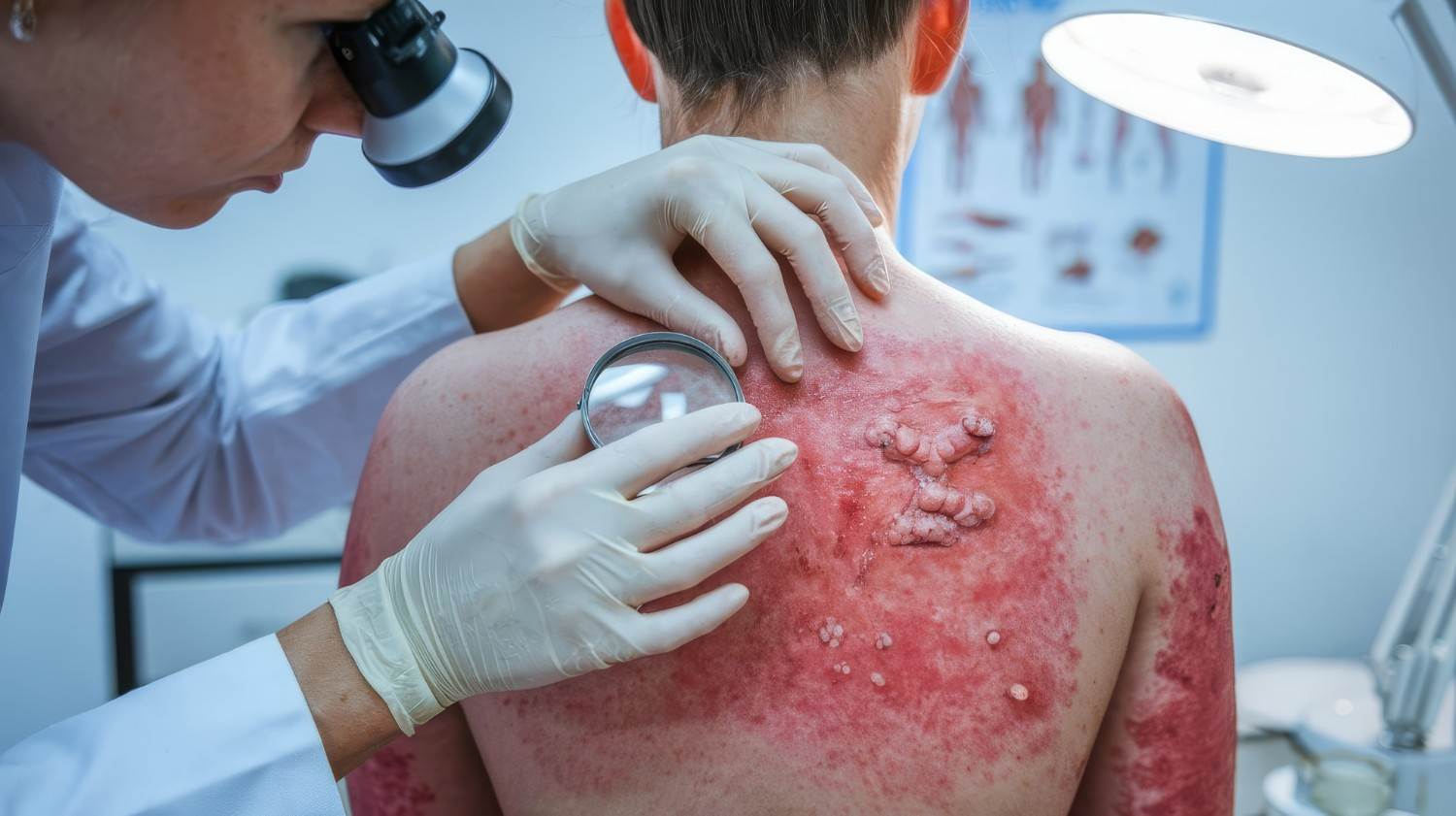
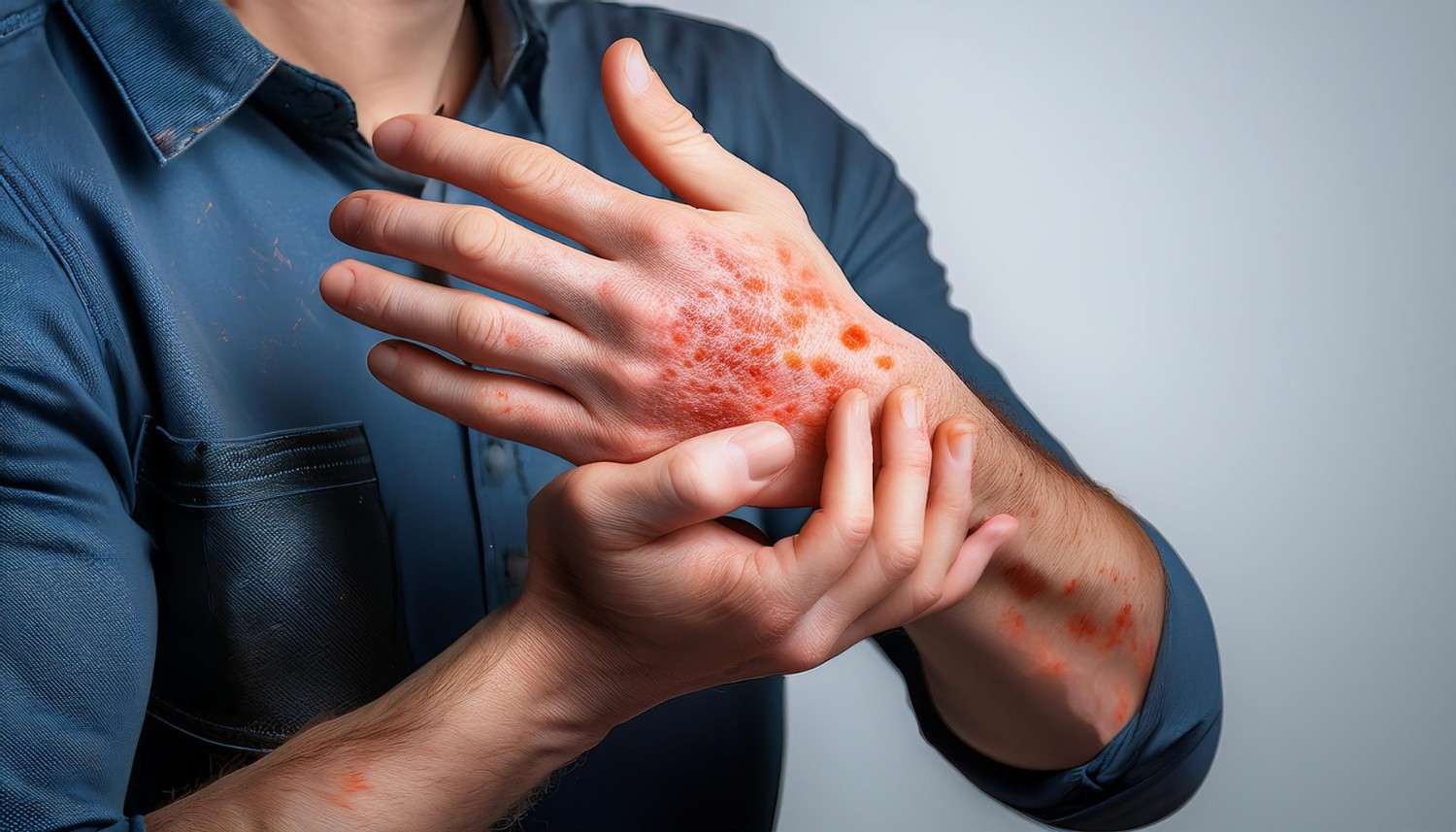
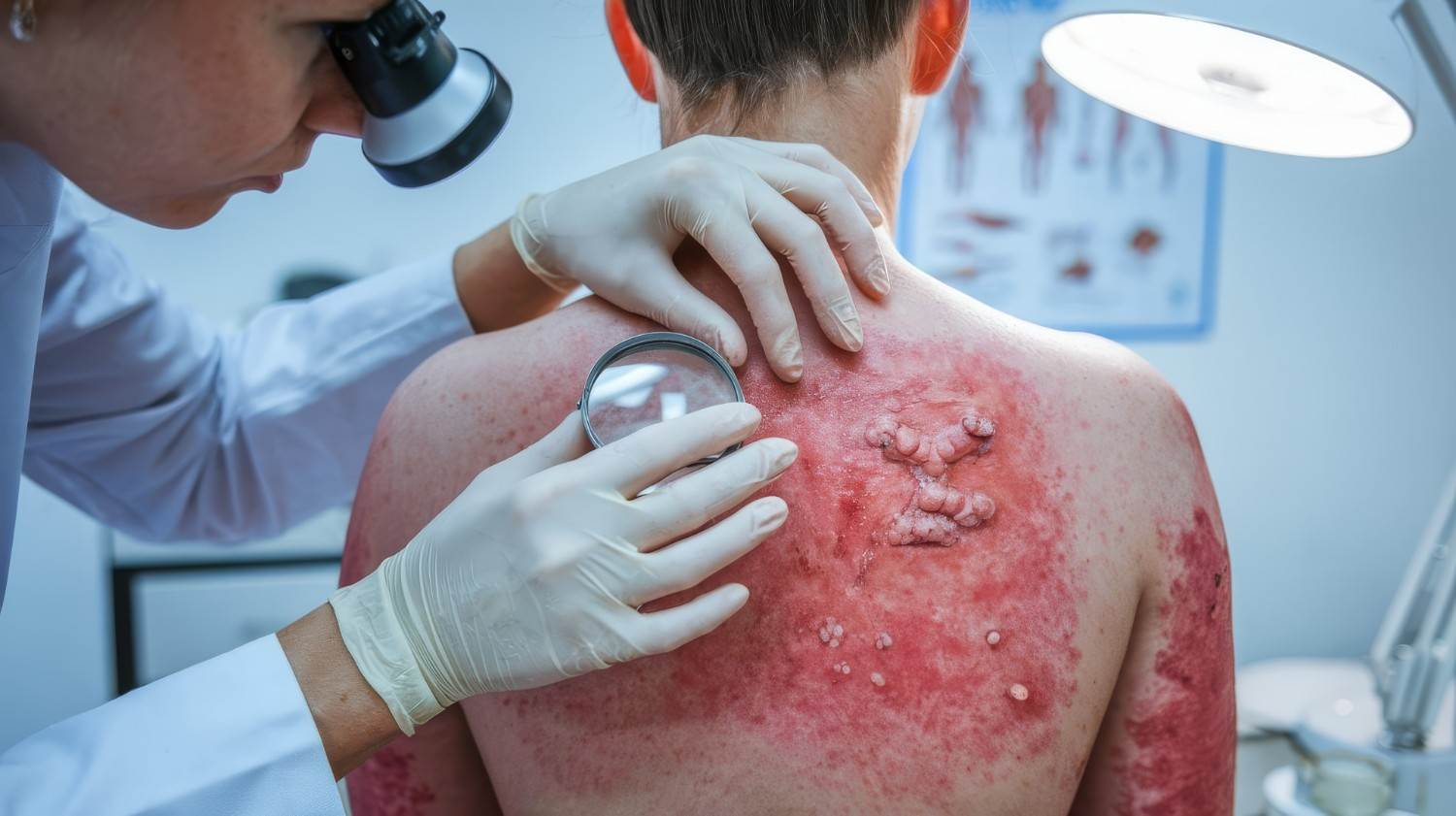
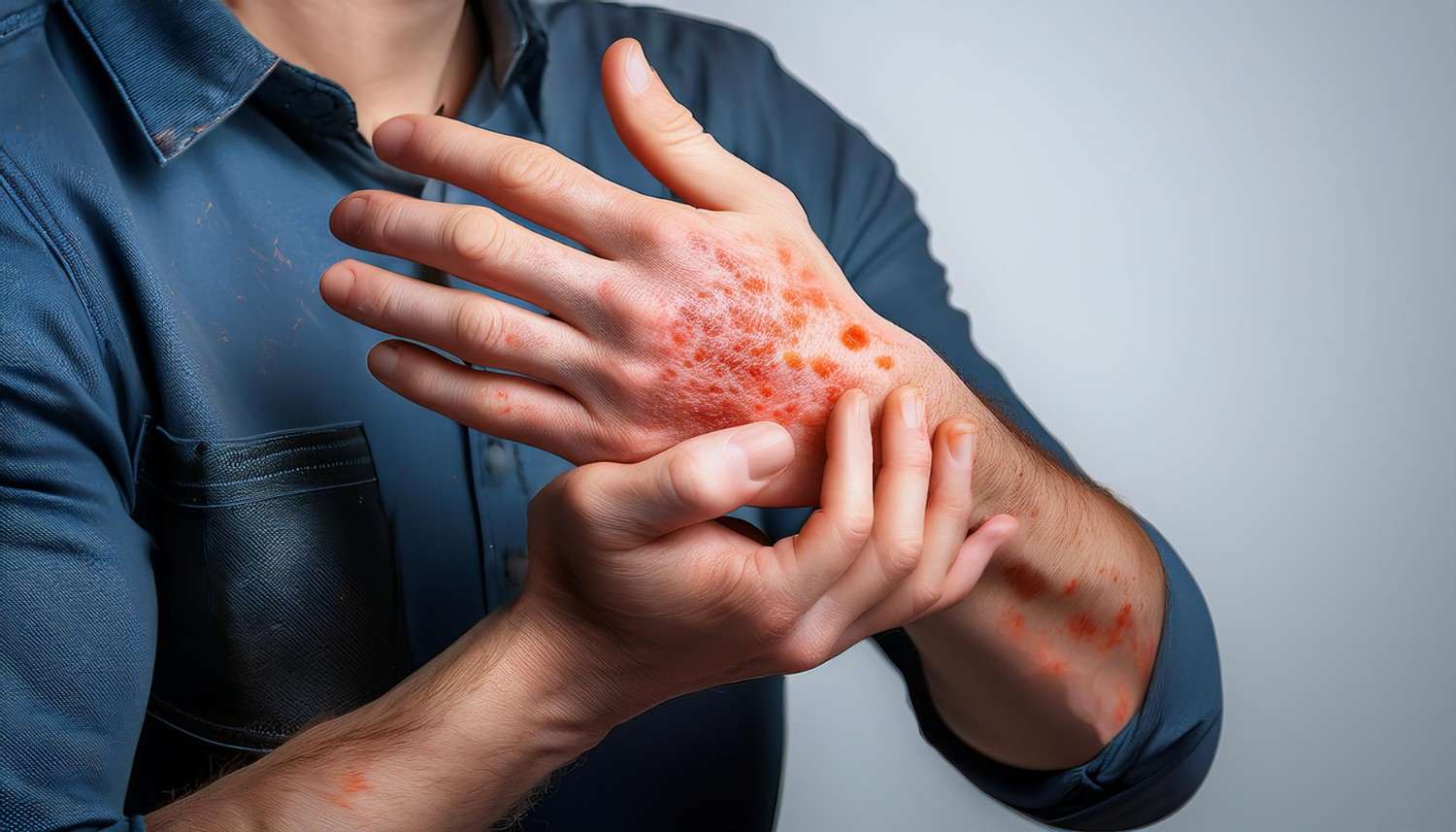
Plaque psoriasis is a chronic, immune-mediated inflammatory skin disease that affects millions of people worldwide and can significantly impair physical comfort, emotional wellbeing, social participation, and quality of life. Although systemic biologic therapies have transformed the management of moderate-to-severe psoriasis, topical therapies remain the foundation of treatment for the majority of patients encountered in primary care and dermatology practice. They are often used as first-line therapy for mild disease, as adjunctive therapy in more extensive disease, and as maintenance treatment to help sustain remission.
.jpg)
Learning Outcomes
What you'll learn
- Describe the pathophysiology and clinical presentation of plaque psoriasis.
- Explain the role of topical therapy in mild, moderate, and severe psoriasis management.
- Compare the benefits and limitations of topical corticosteroids across different potency classes.
- Select appropriate topical treatments based on lesion location, severity, and patient characteristics.
- Differentiate corticosteroid and nonsteroidal treatment strategies.
- Apply current evidence regarding vitamin D analogues, calcineurin inhibitors, tazarotene, keratolytics, and emollients.
- Evaluate emerging topical therapies, including tapinarof and roflumilast, and their practical clinical applications.
- Counsel patients on application techniques, treatment timelines, safety considerations, and realistic expectations.
- Develop long-term maintenance strategies that minimize adverse effects and improve adherence.
- Recognize when topical therapy is insufficient and when referral for phototherapy or systemic treatment is appropriate.
Stay updated with our


Learning Outcomes
What you'll learn
- Describe the pathophysiology and clinical presentation of plaque psoriasis.
- Explain the role of topical therapy in mild, moderate, and severe psoriasis management.
- Compare the benefits and limitations of topical corticosteroids across different potency classes.
- Select appropriate topical treatments based on lesion location, severity, and patient characteristics.
- Differentiate corticosteroid and nonsteroidal treatment strategies.
- Apply current evidence regarding vitamin D analogues, calcineurin inhibitors, tazarotene, keratolytics, and emollients.
- Evaluate emerging topical therapies, including tapinarof and roflumilast, and their practical clinical applications.
- Counsel patients on application techniques, treatment timelines, safety considerations, and realistic expectations.
- Develop long-term maintenance strategies that minimize adverse effects and improve adherence.
- Recognize when topical therapy is insufficient and when referral for phototherapy or systemic treatment is appropriate.
Stay updated with our
Training Overview
- Understanding Plaque Psoriasis and the Role of Topical Therapy
- Topical Corticosteroids – Benefits, Limitations, and Safe Use
- Nonsteroidal Topical Therapies
- Emerging Topical Treatments and New Evidence
- Patient Counselling, Adherence, and Long-Term Management
- Complex Cases, Escalation of Care, and Integrated Psoriasis Management
- Summary
.jpg)
.jpg)
Top reviews
No reviews yet.
You May Also Like
.jpg)

.jpg)
.jpg)
.jpg)
.jpg)
.jpg)
Take Your
Learning Anywhere
Stay on top of your learning with the Care Learning app.


Are you a qualified
Trainer or Instructor?
Join Care Learning as a trainer and deliver high-quality courses to learners across healthcare and workplace training.
Refer a Friend &
Earn Rewards.
Invite healthcare professionals to join Care Learning and get rewarded when your referral successfully joins.
Frequently asked questions
Yes. Topical corticosteroids remain a cornerstone of treatment because they provide rapid reduction in inflammation, scaling, and itching. Potency should be selected according to lesion location and severity.
Nonsteroidal agents can reduce cumulative steroid exposure and are often better suited for long-term maintenance and treatment of sensitive areas such as the face, skin folds, and genital region.
Potent steroids are generally used for limited courses during active flares, followed by a step-down or maintenance strategy. Continuous prolonged use increases the risk of skin atrophy and other adverse effects.
Tapinarof is an aryl hydrocarbon receptor agonist, and roflumilast is a topical PDE-4 inhibitor. Both are newer nonsteroidal treatments that target inflammatory pathways involved in plaque psoriasis.
Common reasons include greasy formulations, time-consuming application, cost, lack of immediate improvement, fear of steroid side effects, and difficulty incorporating treatment into daily routines.
Referral is appropriate when disease remains uncontrolled despite optimized topical therapy, involves difficult anatomical sites, significantly impairs quality of life, or requires consideration of phototherapy or systemic treatment.