
Antimicrobial Stewardship (Bitesize)
Trending3.5(New)
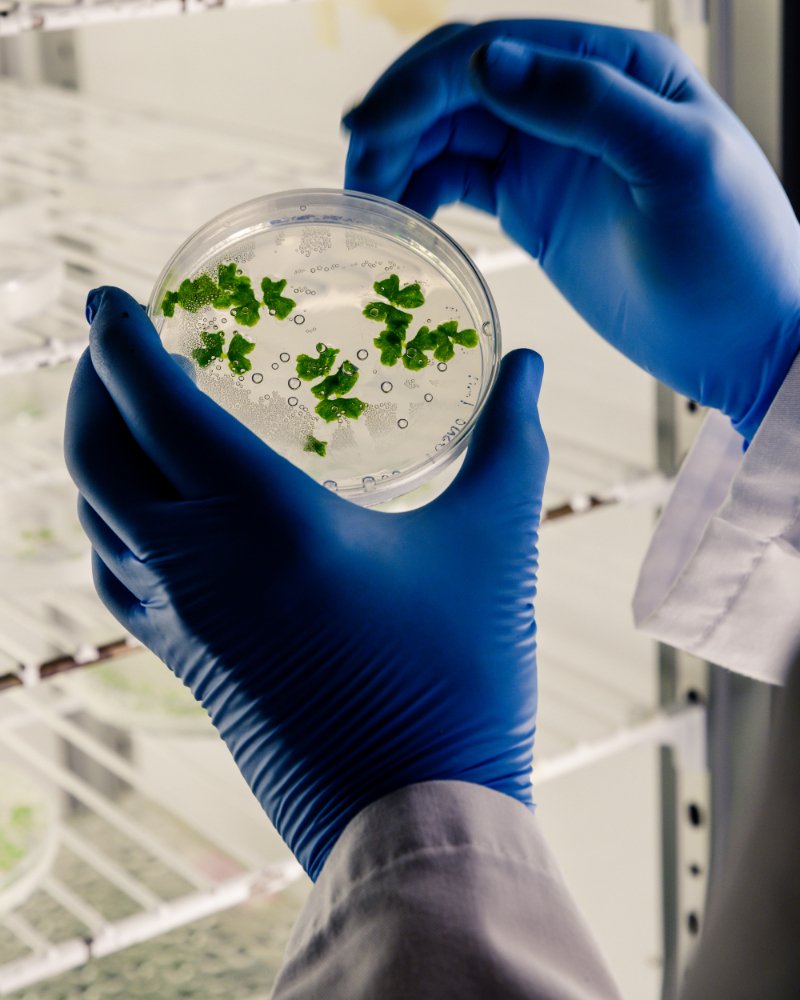
Antimicrobial Resistance (AMR) happens when microbes (bacteria, viruses, fungi and parasites) change over time and stop responding to medicines; this causes infections that are more difficult to treat and increases the risk of disease spreading, severe illness and death. This module looks at what a microbe is and explains how microbes can both help and harm the human body.
6 Modules1 hour
£169£0
Learning Outcomes
What you'll learn
- Define what a microbe is and explain how they can both help and harm the human body
- Identify the four types of antimicrobial medications that are commonly used
- Explain how microbes become resistant to medication and what can be done to slow this process down
- Recognise the impact of antimicrobial resistance and why this is of worldwide concern
- Explain why some infections do not need treatment with antimicrobial medication
Stay updated with our


Learning Outcomes
What you'll learn
- Define what a microbe is and explain how they can both help and harm the human body
- Identify the four types of antimicrobial medications that are commonly used
- Explain how microbes become resistant to medication and what can be done to slow this process down
- Recognise the impact of antimicrobial resistance and why this is of worldwide concern
- Explain why some infections do not need treatment with antimicrobial medication
Stay updated with our
Training Overview
- What are Microbes?
- What are Antimicrobials?
- Antimicrobial Resistance (AMR)
- What can we do about AMR?
- Summary
- References

Top reviews
No reviews yet.
You May Also Like
.jpg)
.jpg)
.jpg)
.jpg)
.jpg)
.jpg)
Take Your
Learning Anywhere
Stay on top of your learning with the Care Learning app.


Are you a qualified
Trainer or Instructor?
Join Care Learning as a trainer and deliver high-quality courses to learners across healthcare and workplace training.
Refer a Friend &
Earn Rewards.
Invite healthcare professionals to join Care Learning and get rewarded when your referral successfully joins.
1 / 3