PA
5Pamela
User from
easy to understand
Posted on 26/10/2026
This chapter focuses on Basic Life Support (BLS), a critical set of procedures designed to sustain life during emergency situations. It outlines the core components of BLS, including initial assessment, airway maintenance, breathing support, and cardiopulmonary resuscitation (CPR). Key aspects such as recognizing and treating obstructed airways, maintaining confidentiality, and the importance of regular refresher training are also covered to ensure effective response during life-threatening emergencies.
Module 1
Basic Life Support
User from
easy to understand
Posted on 26/10/2026
User from
Informative
Posted on 17/03/2026

User from
This course is very helpfu
Posted on 11/06/2026
Experience the next level of learning with the Care Learning app. Available on Android and iOS.


Join us as a healthcare trainer providing practical sessions to professionals and workers.
Apply for Trainer RoleEnroll in our accredited, hands-on practical training sessions to deliver better patientcentred care.
Apply for TrainingInvite healthcare professionals to join Care Learning and earn rewards for every successful referral.
Basic life support (BLS) includes recognising cardiac arrest, starting CPR, using an AED and managing airway emergencies. UK care workers should follow current Resuscitation Council UK guidance.
DRABCD stands for Danger, Response, Airway, Breathing, CPR and Defibrillation. It provides a structured approach to assessing an unresponsive person and responding to life-threatening emergencies.
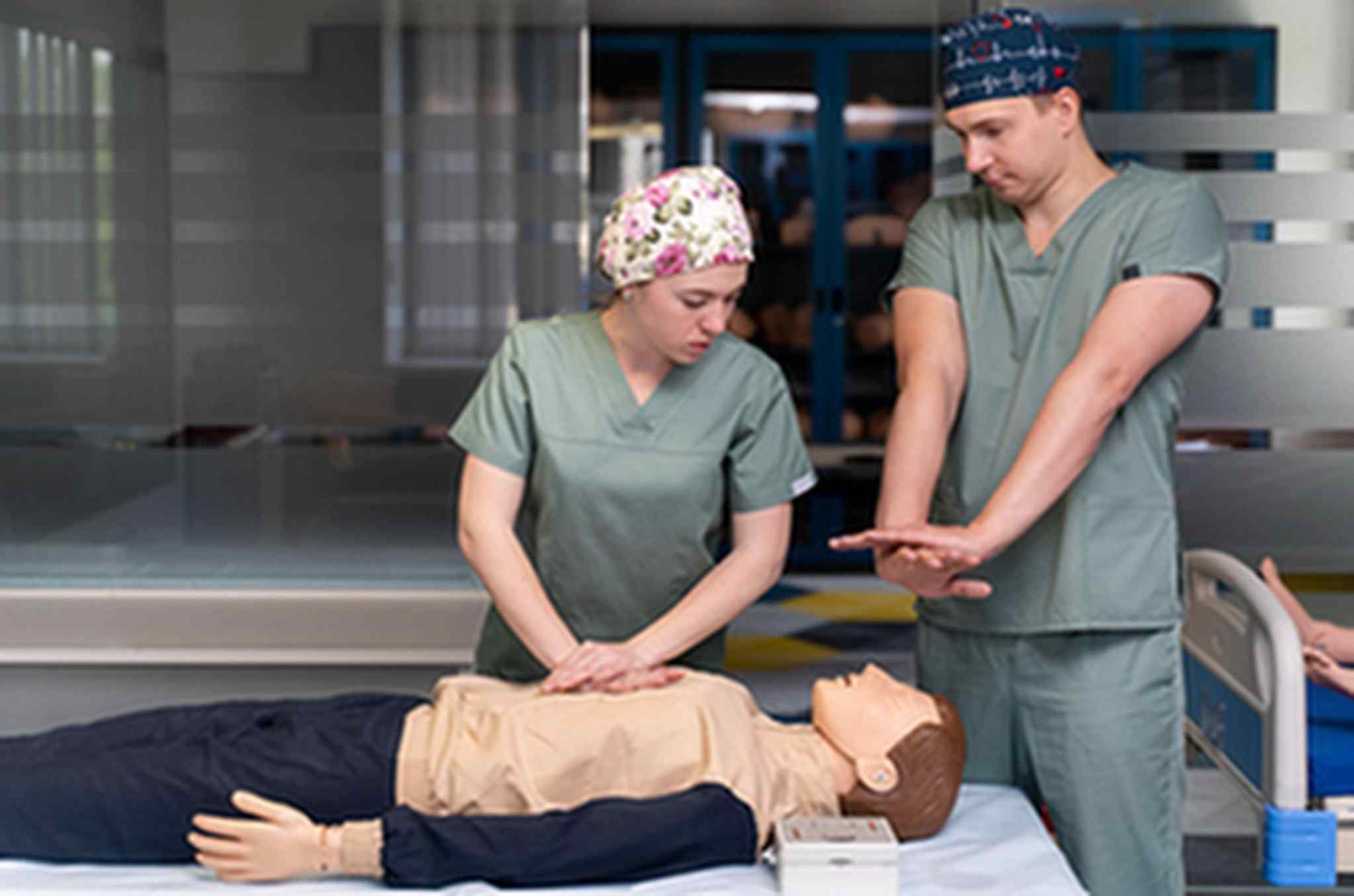
CPR combines chest compressions with rescue breaths when appropriate. Techniques vary for adults, children and infants. Follow current UK CPR guidance and workplace emergency procedures.
Recognise choking quickly and provide appropriate first aid based on the person's age and condition. Call 999 for severe airway obstruction and follow current UK first aid guidance.
Regular BLS refresher training helps care workers maintain CPR, AED and choking-response skills. Follow your employer's training requirements and current Resuscitation Council UK guidance.