GA
5Gabriel
User from
Awesome
Posted on 10/04/2026
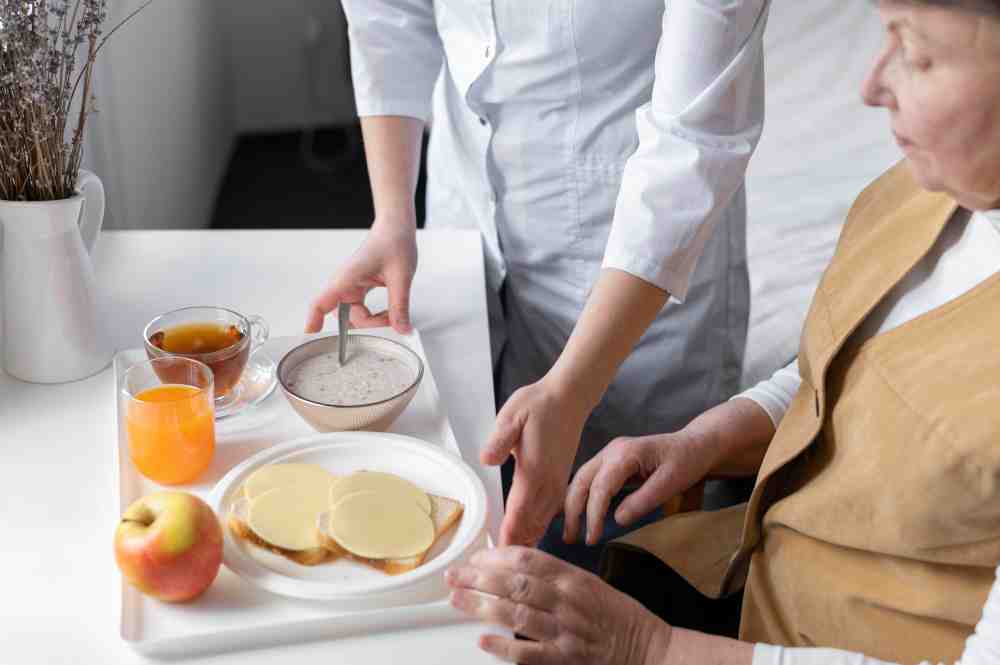
This chapter addresses the critical aspects of fluids and nutrition in maintaining health and well-being. It covers the importance of food safety, proper nutrition, and hydration, providing practical guidance for care providers to ensure individuals receive the necessary care.
Module 1
Fluids and Nutrition
Module 2
Food Safety Legislation
Module 3
Ensuring Proper Nutrition for Individuals as per their Plan of Care
Module 4
Reporting Concerns
User from
Awesome
Posted on 10/04/2026
User from
wonderful course with great collection of knowledgeable study within the care sector and health professionals
Posted on 28/10/2026
User from
Was satisfying
Posted on 22/10/2026
Experience the next level of learning with the Care Learning app. Available on Android and iOS.


Join us as a healthcare trainer providing practical sessions to professionals and workers.
Apply for Trainer RoleEnroll in our accredited, hands-on practical training sessions to deliver better patientcentred care.
Apply for TrainingInvite healthcare professionals to join Care Learning and earn rewards for every successful referral.
Adequate nutrition and hydration support health, energy and wellbeing. Care workers should monitor food and fluid intake, recognise risks and follow UK care plans and dietary guidance.
Food hazards include physical, chemical, allergenic and bacterial risks. UK food safety practice includes good hygiene, safe cooking, correct storage and preventing cross-contamination.
Encourage suitable fluids regularly, monitor intake and recognise signs such as thirst, dry mouth, dark urine and confusion. Follow the person's care plan and UK hydration guidance.
Person-centred care considers an individual's dietary needs, preferences, allergies, cultural choices, health conditions and level of support required for safe eating and drinking.
Care workers must identify declared allergens, follow dietary requirements and prevent cross-contact. UK allergen labelling and food safety rules help reduce the risk of allergic reactions.