BA
5BASSEY
User from
great
Posted on 15/03/2026
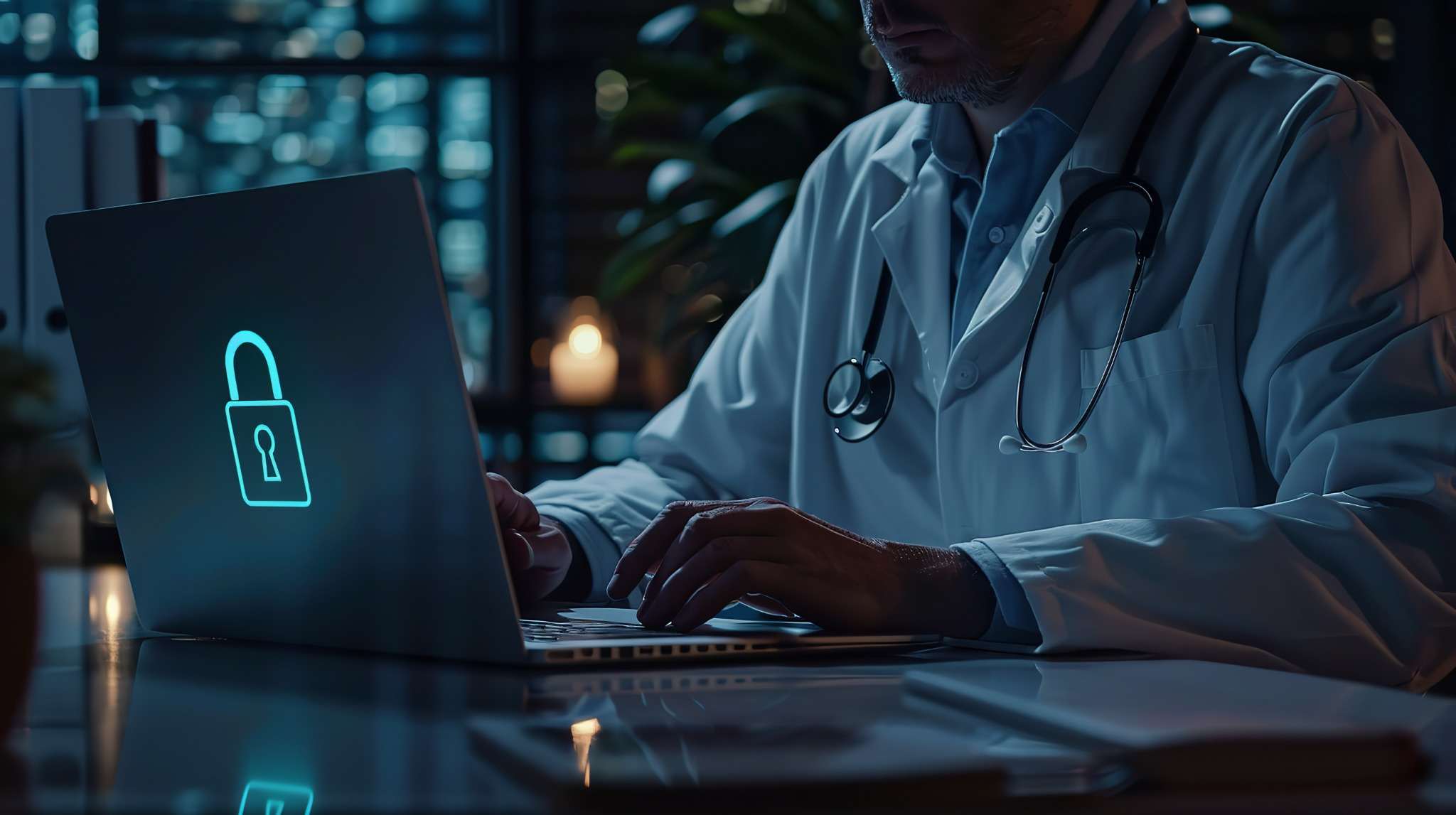
Learn the essentials of cybersecurity, network protection, and system security to defend against modern digital threats.


User from
great
Posted on 15/03/2026
User from
easily communicated and understanding
Posted on 10/04/2026
User from
informative
Posted on 09/04/2026
Experience the next level of learning with the Care Learning app. Available on Android and iOS.


Join us as a healthcare trainer providing practical sessions to professionals and workers.
Apply for Trainer RoleEnroll in our accredited, hands-on practical training sessions to deliver better patientcentred care.
Apply for TrainingInvite healthcare professionals to join Care Learning and earn rewards for every successful referral.
Cybersecurity protects computer systems, networks, and data from unauthorized access, attacks, and damage, helping ensure privacy, reliability, and safe digital operations.
Strong passwords make it harder for attackers to guess or crack your login details, reducing the risk of unauthorized access to personal or business accounts.
Malware is harmful software like viruses, worms, or spyware. It can steal data, damage systems, or take control of devices, causing financial loss and privacy risks.
Avoid clicking suspicious links, verify the sender, check for spelling errors, and never share personal details. When unsure, contact the organization directly.