











NI
5Naomi Iwanger
User from
brilliant
Posted on 15/01/2026
Epilepsy training helps caregivers understand seizures, their causes, triggers and safe first aid. It also covers treatment, rescue medication, care plans and person centred support.

Module 1
What is Epilepsy?
Module 2
How Common is Epilepsy?
Module 3
Risk Factors
Module 4
What Causes Epilepsy?
Module 5
Epileptic Triggers
Module 6
Types of Seizure
Module 7
Seizure First Aid
Module 8
Seizure First Aid in Hospital
Module 9
Treatment of Epilepsy
Module 10
Complications
Module 11
A Note on Lifestyle
Module 12
Summary
Module 13
References
User from
brilliant
Posted on 15/01/2026
User from
Helpful to study 📖 more
Posted on 18/06/2026
User from
very impactful
Posted on 18/02/2026
Experience the next level of learning with the Care Learning app. Available on Android and iOS.


Join us as a healthcare trainer providing practical sessions to professionals and workers.
Apply for Trainer RoleEnroll in our accredited, hands-on practical training sessions to deliver better patientcentred care.
Apply for TrainingInvite healthcare professionals to join Care Learning and earn rewards for every successful referral.
Epilepsy is a neurological condition causing recurrent seizures. Seizures vary in type and symptoms. UK care professionals can use NHS and NICE epilepsy guidance to support understanding, assessment and care.
Seizures include focal and generalised seizures, absences, tonic, atonic, myoclonic and tonic-clonic seizures. Recognising seizure types helps care workers provide appropriate first aid and follow the person’s care plan.
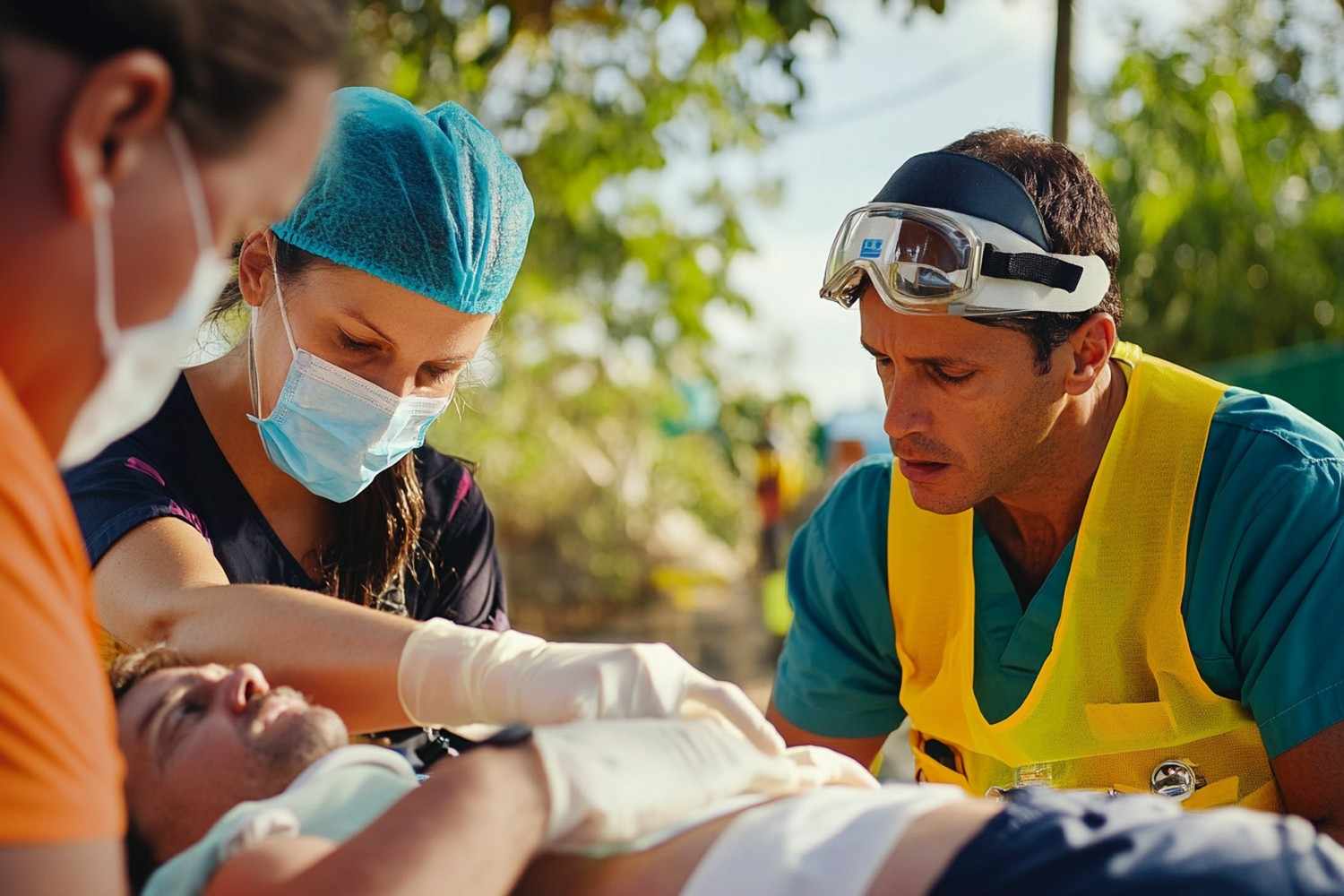
Keep the person safe, remove nearby hazards, protect their head, time the seizure and stay with them. Follow their epilepsy care plan and seek emergency help if the seizure lasts 5 minutes or longer.
Rescue medication may be prescribed for prolonged or repeated seizures. Only trained and authorised care professionals should administer it according to the person’s epilepsy care plan and UK clinical guidance.
An epilepsy care plan records seizure types, triggers, first aid, prescribed rescue medication and emergency actions. It helps UK health and social care teams provide consistent, person-centred epilepsy support.