
Immunology - An Introduction
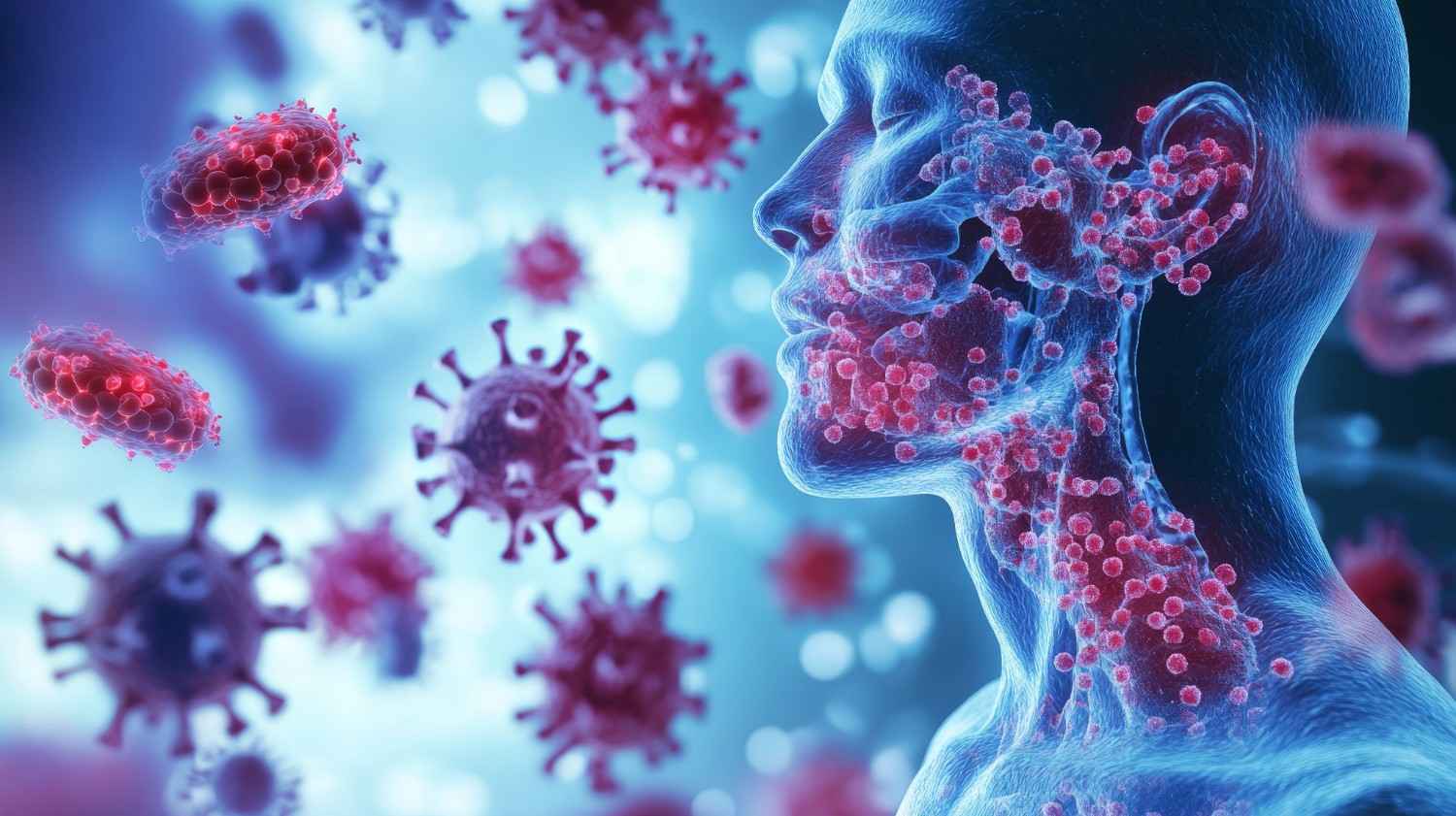
Discover the fascinating world of the human immune system—its structure, cells, signaling pathways, and unique defense strategies. This foundational course is designed to help learners understand how the body detects and defends against threats, and how immunity is balanced in health and disease.
Learning Outcomes
What you'll learn
- Identify the primary components and functions of the human immune system
- Describe the mechanisms of innate and adaptive (acquired) immunity
- Distinguish between different types of immune cells and their specialized roles
- Explain key processes such as antigen presentation, humoral versus cell-mediated immunity, and the inflammatory response
- Apply foundational immunology to understanding disease, vaccination, transplant rejection, and immune deficiencies
- Lay the groundwork for further clinical learning or laboratory study in immunology and infection
Stay updated with our


Learning Outcomes
What you'll learn
- Identify the primary components and functions of the human immune system
- Describe the mechanisms of innate and adaptive (acquired) immunity
- Distinguish between different types of immune cells and their specialized roles
- Explain key processes such as antigen presentation, humoral versus cell-mediated immunity, and the inflammatory response
- Apply foundational immunology to understanding disease, vaccination, transplant rejection, and immune deficiencies
- Lay the groundwork for further clinical learning or laboratory study in immunology and infection
Stay updated with our
Training Overview
- Introducing the Immune System — Foundations and Overview
- Key Cells and Their Roles in the Immune Response
- B and T Lymphocytes — The Adaptive Immune Warriors
- Cytokines — The Messengers of Immunity
- The Complement System — Bridge Between Innate and Adaptive Immunity
- Summary and Review of the Immune System Course

Top reviews
No reviews yet.
You May Also Like
.jpg)
.jpg)
.jpg)
.jpg)
.jpg)
.jpg)
Take Your
Learning Anywhere
Stay on top of your learning with the Care Learning app.


Are you a qualified
Trainer or Instructor?
Join Care Learning as a trainer and deliver high-quality courses to learners across healthcare and workplace training.
Refer a Friend &
Earn Rewards.
Invite healthcare professionals to join Care Learning and get rewarded when your referral successfully joins.
Frequently asked questions
The immune system protects the body by detecting, responding to, and remembering harmful invaders while maintaining tolerance to the body’s own tissues.
Innate immunity provides rapid, non-specific defence, while adaptive immunity delivers targeted responses and long-term memory through B and T lymphocytes.
Phagocytes are early responders that recognise, engulf, and destroy pathogens, and they also release signals that shape and activate later immune responses.
Cytokines act as immune messengers, coordinating cell activity, inflammation, and recovery to ensure balanced and effective immune responses.