
Inhalers and Inhaler Techniques
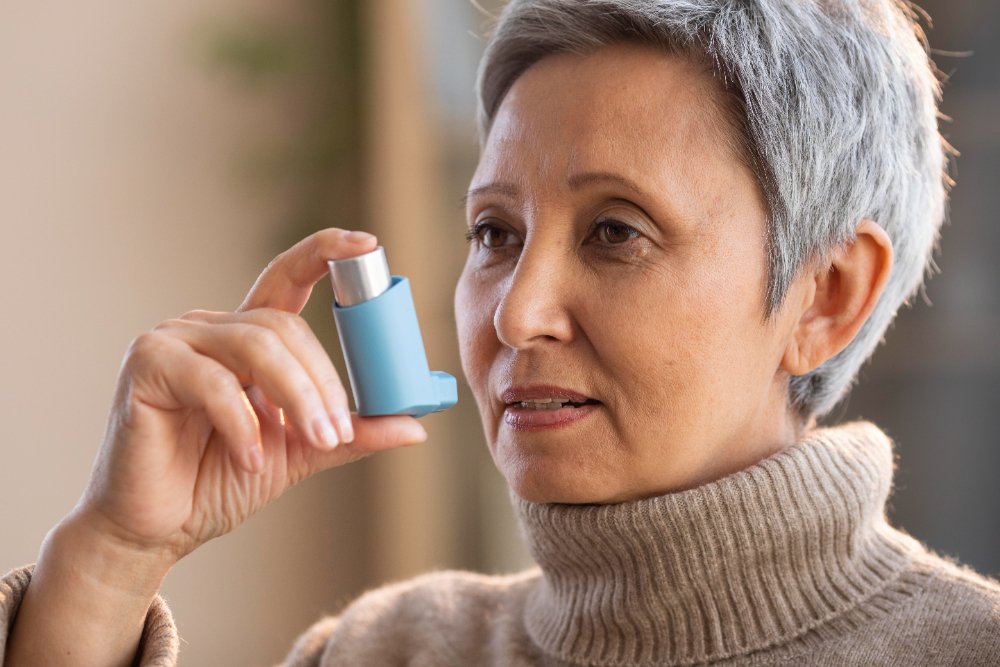
This comprehensive module provides an in-depth understanding of inhaled therapies, inhaler devices, and inhaler techniques for patients with asthma and COPD. Designed for healthcare professionals, the course emphasizes practical knowledge to enhance patient care, covering the selection, application, and promotion of effective inhaler use.
Learning Outcomes
What you'll learn
- Understand the role of inhalers in managing respiratory conditions.
- Identify and select the appropriate inhaler device for individual patient needs.
- Master correct inhaler techniques to ensure optimal therapy outcomes.
- Promote adherence and self-management among patients using inhalers.
- Access and utilize additional resources to support clinical practice in respiratory care.
Stay updated with our


Learning Outcomes
What you'll learn
- Understand the role of inhalers in managing respiratory conditions.
- Identify and select the appropriate inhaler device for individual patient needs.
- Master correct inhaler techniques to ensure optimal therapy outcomes.
- Promote adherence and self-management among patients using inhalers.
- Access and utilize additional resources to support clinical practice in respiratory care.
Stay updated with our
Training Overview
- The Role of Inhalers and Selecting the Right Medication
- Inhaler Device Selection
- Inhaler Technique
- Encouraging and Supporting Adherence and Self-Management with Inhalers
- Summary

Top reviews
No reviews yet.
You May Also Like
.jpg)
.jpg)
.jpg)
.jpg)

.jpg)
.jpg)
Take Your
Learning Anywhere
Stay on top of your learning with the Care Learning app.


Are you a qualified
Trainer or Instructor?
Join Care Learning as a trainer and deliver high-quality courses to learners across healthcare and workplace training.
Refer a Friend &
Earn Rewards.
Invite healthcare professionals to join Care Learning and get rewarded when your referral successfully joins.
Frequently asked questions
Correct technique ensures the medication reaches the lungs effectively, improving symptom control and reducing flare-ups in asthma and COPD.
Device selection depends on the patient’s breathing ability, coordination, physical strength, and treatment needs. Ease of use and environmental impact may also guide the choice.
Patients can keep inhalers visible, set reminders, involve family support, and discuss concerns with healthcare providers to build routines that support consistent use.
Treatment changes should only be made after reviewing inhaler technique and adherence to ensure symptoms aren’t caused by incorrect use or missed doses.