DA
5Dalibor
User from
Good e-learning provider, easy to navigate and clear learning content.
Posted on 04/10/2026
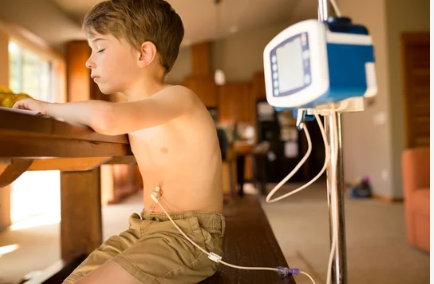
This module covers standard principles and best practice guidelines in relation to managing Gastrostomy Tube/PEG Feeding, including the function of a G Tube, common conditions associated with the requirement for a G Tube to be inserted and the importance of effective mouth care for those who require this type of nutritional support.
Module 1
What are Percutaneous Endoscopic Gastrostomy (PEG) Feeding Tubes?
Module 2
Indications for PEG Feeding
Module 3
Anatomy and Physiology of the Digestive System
Module 4
Caring for a PEG Feeding Tube: General Principles
Module 5
Administering Food, Fluids and Medication
Module 6
Potential Complications, and your Responsibilities
Module 7
Effective Mouth Care
Module 8
Effective Stomal Care
Module 9
Impact on Patients
Module 10
PEG Feeding Tube Documentation
Module 11
Summary
Module 12
References
User from
Good e-learning provider, easy to navigate and clear learning content.
Posted on 04/10/2026
User from
Was satisfying
Posted on 22/10/2026
User from
Confusing question on mouthcare. Plus info on how to wash PEG tube.
Posted on 29/01/2026
Experience the next level of learning with the Care Learning app. Available on Android and iOS.


Join us as a healthcare trainer providing practical sessions to professionals and workers.
Apply for Trainer RoleEnroll in our accredited, hands-on practical training sessions to deliver better patientcentred care.
Apply for TrainingInvite healthcare professionals to join Care Learning and earn rewards for every successful referral.
A PEG tube is placed through the abdominal wall into the stomach to provide nutrition, fluids or medicines when oral intake is unsuitable. UK PEG training covers safe tube care.
PEG feeding may be used when a person cannot safely eat or drink enough by mouth. UK PEG training covers indications, anatomy, feeding and ongoing patient support.
PEG care includes infection prevention, tube checks, stoma care, mouth care and accurate records. UK PEG feeding training covers safe daily management and complications.
Complications may include infection, blockage, leakage, skin problems and tube displacement. UK PEG training covers recognising complications and following appropriate management procedures.
Feeds, fluids and medicines must be administered through the PEG according to the person's care plan and clinical guidance. UK PEG training covers safe administration and documentation.