
Phlebotomy
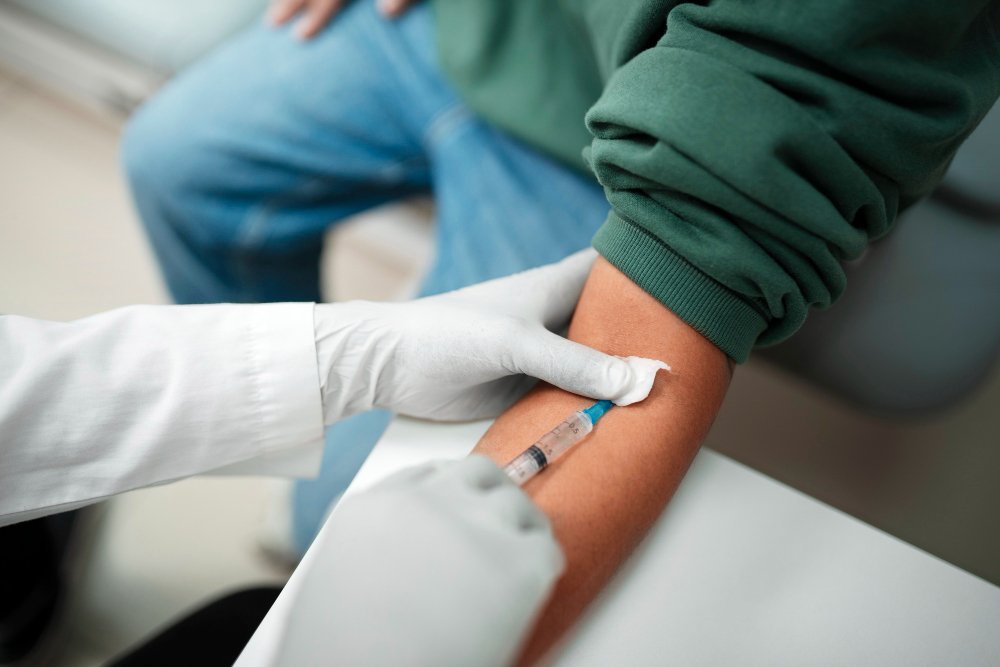
Phlebotomy involves using a needle to draw blood from a vein, typically for lab tests. This procedure, also called venipuncture or blood draw, will be covered in this course, focusing on the theory behind it and important considerations.
Learning Outcomes
What you'll learn
- Understand the reasons for taking blood and the insights gained from blood tests.
- Recognize the components of blood: plasma, red and white cells, platelets, veins, and arteries.
- Explain the anatomy of the antecubital fossa triangle.
- Know the steps to prevent infection and the correct disposal of materials.
- Identify proper preparation methods for the procedure area and tray.
- Select the correct blood tubes and understand the order of collection.
- Understand the importance of obtaining consent and when it is required.
- Explain how to label blood tubes accurately and the significance of correct labeling.
- Follow the procedure from initial greeting to the conclusion of the appointment.
- Be aware of the risks associated with needlestick injuries.
- Recognize potential patient concerns during blood collection.
- Consider special precautions when working alone.
- Identify best practices in blood collection techniques.
- Understand responsibilities towards the patient, employer, professional organization, and legal requirements.
Stay updated with our


Learning Outcomes
What you'll learn
- Understand the reasons for taking blood and the insights gained from blood tests.
- Recognize the components of blood: plasma, red and white cells, platelets, veins, and arteries.
- Explain the anatomy of the antecubital fossa triangle.
- Know the steps to prevent infection and the correct disposal of materials.
- Identify proper preparation methods for the procedure area and tray.
- Select the correct blood tubes and understand the order of collection.
- Understand the importance of obtaining consent and when it is required.
- Explain how to label blood tubes accurately and the significance of correct labeling.
- Follow the procedure from initial greeting to the conclusion of the appointment.
- Be aware of the risks associated with needlestick injuries.
- Recognize potential patient concerns during blood collection.
- Consider special precautions when working alone.
- Identify best practices in blood collection techniques.
- Understand responsibilities towards the patient, employer, professional organization, and legal requirements.
Stay updated with our
Training Overview
- Understanding Phlebotomy
- Understanding Anatomy & Physiology
- Avoiding Infection
- Preparing the area, tray & tubes
- Consent & Labelling
- The Process
- Possible Complications & Issues
- Understanding the Law
- Summary

Top reviews
No reviews yet.
You May Also Like
.jpg)
.jpg)
.jpg)
.jpg)

.jpg)
.jpg)
Take Your
Learning Anywhere
Stay on top of your learning with the Care Learning app.


Are you a qualified
Trainer or Instructor?
Join Care Learning as a trainer and deliver high-quality courses to learners across healthcare and workplace training.
Refer a Friend &
Earn Rewards.
Invite healthcare professionals to join Care Learning and get rewarded when your referral successfully joins.
Frequently asked questions
The Phlebotomy course covers the theory of blood collection, venipuncture techniques, important safety considerations, and drawing blood from the antecubital fossa in consenting adults.
Yes, you will receive a certification upon successful completion of the Phlebotomy course.
To register, log in or sign in to your Care Learning account using your email and password. If you are new, you can create an account at care-learning.com.
This course is suitable for healthcare professionals, healthcare assistants, and learners seeking foundational knowledge of phlebotomy and blood collection procedures.