
Probiotics to prevent genitourinary infection
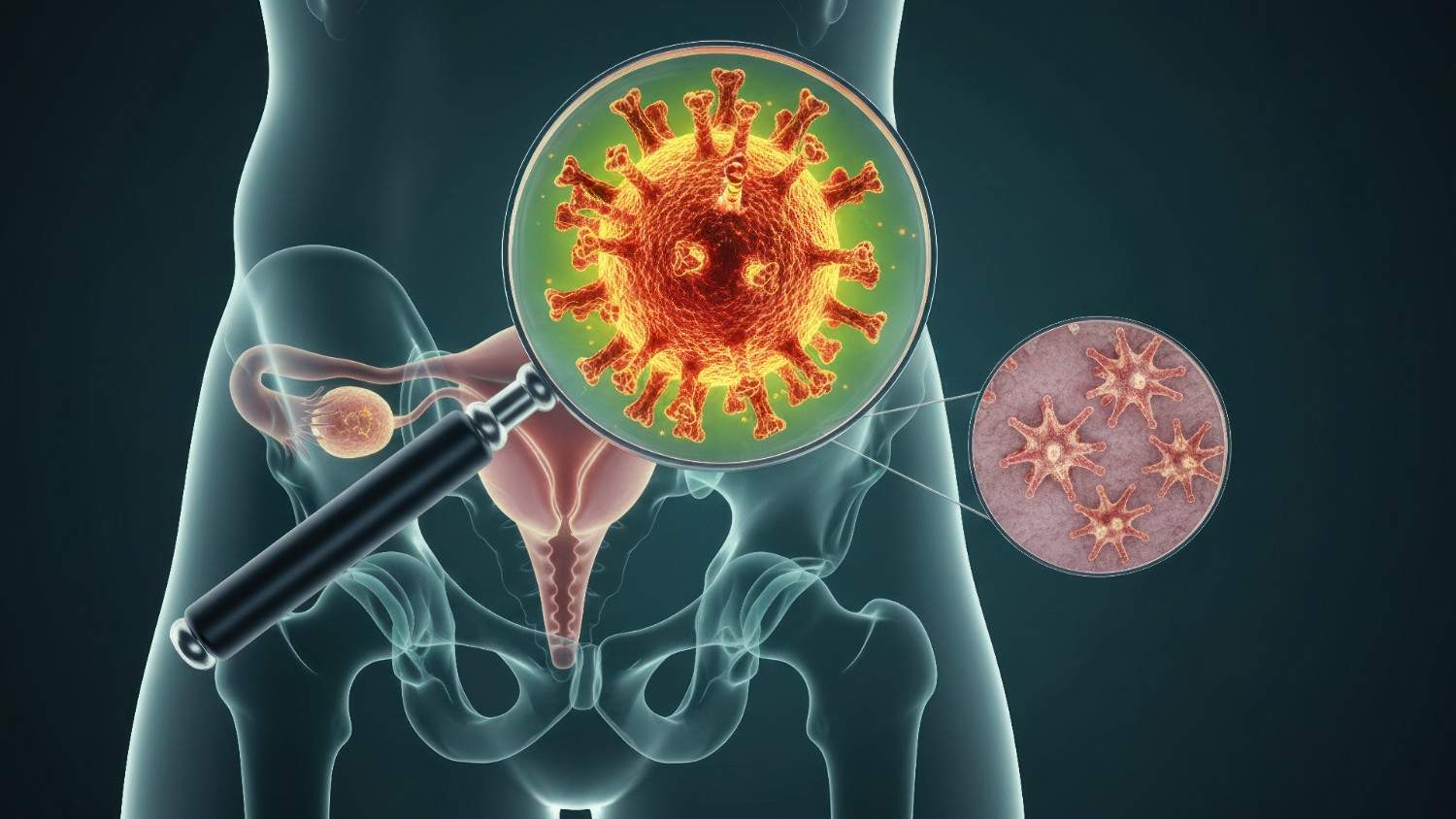
This module examines the genitourinary microbiome and explores how probiotics can help reduce the risk of vaginal and urinary infections. It focuses on the impact of these infections on women’s health and evaluates the role of oestrogen in their development, highlighting the benefits of probiotic use in prevention.
Learning Outcomes
What you'll learn
- Understand the genitourinary microbiome and its differences from the gut microbiome.
- Recognize the prevalence and treatment challenges of vaginal and urinary infections.
- Discuss the advantages of using probiotics to support women’s genitourinary health.
Stay updated with our


Learning Outcomes
What you'll learn
- Understand the genitourinary microbiome and its differences from the gut microbiome.
- Recognize the prevalence and treatment challenges of vaginal and urinary infections.
- Discuss the advantages of using probiotics to support women’s genitourinary health.
Stay updated with our
Training Overview
- Understanding Women's Health and the Microbiome
- The Genitourinary Microbiome and Its Connection to the Gut
- Exploring the Oestrobolome
- Current Research on Probiotics for Infection Prevention and Supplementary Use
- Summary
.jpg)
.jpg)
.jpg)
.jpg)
.jpg)
Top reviews
No reviews yet.
You May Also Like
.jpg)
.jpg)
.jpg)
.jpg)

.jpg)
.jpg)
Take Your
Learning Anywhere
Stay on top of your learning with the Care Learning app.


Are you a qualified
Trainer or Instructor?
Join Care Learning as a trainer and deliver high-quality courses to learners across healthcare and workplace training.
Refer a Friend &
Earn Rewards.
Invite healthcare professionals to join Care Learning and get rewarded when your referral successfully joins.
Frequently asked questions
This course covers the role of probiotics in preventing and managing genitourinary infections like BV, VVC, and UTIs, as well as the influence of the oestrobolome on health.
Yes, a certificate will be provided upon successful completion of the course.
To register, log in or sign in to your Care Learning account using your email and password. New users can create an account at care-learning.com.
Yes, this course is designed for healthcare professionals and caregivers working with individuals at risk of or experiencing genitourinary infections.