
Renal Care Fundamentals
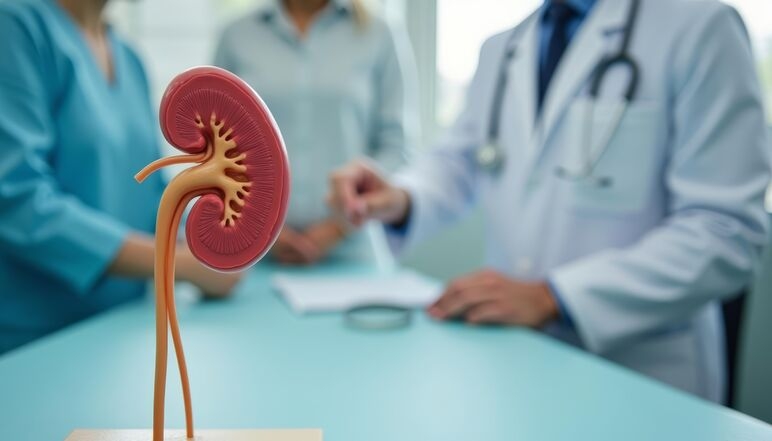
Understand kidney function, types of kidney failure, and their risk factors. Learn to differentiate between AKI and CKD, conduct diagnostic tests, manage symptoms, and deliver holistic care—including palliative support and patient education—to improve outcomes in renal care.
Learning Outcomes
What you'll learn
- Describe the fundamental anatomy and physiological functions of the kidneys.
- Differentiate between Acute Kidney Injury (AKI) and Chronic Kidney Disease (CKD) based on clinical presentation, progression, and underlying causes.
- Explain the stages of Chronic Kidney Disease using Glomerular Filtration Rate (GFR) values and their clinical significance.
- Analyse the systemic complications associated with kidney failure and assess their implications for patient care and nursing priorities.
- Evaluate the effectiveness of various treatment options, including pharmacological therapies, dialysis modalities, and kidney transplantation.
- Apply appropriate nursing interventions in the care of patients receiving haemodialysis, peritoneal dialysis, or continuous renal replacement therapy
- Outline key components of post-kidney transplant care, including monitoring, medication adherence, and infection prevention.
- Discuss the psychosocial impacts of End-Stage Renal Disease (ESRD) and recognise the importance of palliative care in supporting quality of life.
- Identify and implement critical nursing strategies for managing fluid and electrolyte imbalances in patients with compromised renal function.
Stay updated with our


Learning Outcomes
What you'll learn
- Describe the fundamental anatomy and physiological functions of the kidneys.
- Differentiate between Acute Kidney Injury (AKI) and Chronic Kidney Disease (CKD) based on clinical presentation, progression, and underlying causes.
- Explain the stages of Chronic Kidney Disease using Glomerular Filtration Rate (GFR) values and their clinical significance.
- Analyse the systemic complications associated with kidney failure and assess their implications for patient care and nursing priorities.
- Evaluate the effectiveness of various treatment options, including pharmacological therapies, dialysis modalities, and kidney transplantation.
- Apply appropriate nursing interventions in the care of patients receiving haemodialysis, peritoneal dialysis, or continuous renal replacement therapy
- Outline key components of post-kidney transplant care, including monitoring, medication adherence, and infection prevention.
- Discuss the psychosocial impacts of End-Stage Renal Disease (ESRD) and recognise the importance of palliative care in supporting quality of life.
- Identify and implement critical nursing strategies for managing fluid and electrolyte imbalances in patients with compromised renal function.
Stay updated with our
Training Overview
- Kidney Anatomy
- Kidney Functions
- Acute Kidney Injury
- Kidney Function Diagnostic Tests
- Medications for Kidney Failure
- Kidney Transplantation
- Nursing Interventions for Kidney Failure
- Progression of Kidney Disease
- Managing Fluid and Electrolyte Balance
- Summary

Top reviews
No reviews yet.
You May Also Like
.jpg)
.jpg)
.jpg)
.jpg)

.jpg)
.jpg)
Take Your
Learning Anywhere
Stay on top of your learning with the Care Learning app.


Are you a qualified
Trainer or Instructor?
Join Care Learning as a trainer and deliver high-quality courses to learners across healthcare and workplace training.
Refer a Friend &
Earn Rewards.
Invite healthcare professionals to join Care Learning and get rewarded when your referral successfully joins.
Frequently asked questions
It’s an online course that teaches kidney function, types of kidney failure, diagnostic testing, symptom management, and effective renal patient care.
Ideal for nurses, healthcare professionals, and carers wanting to improve knowledge and care for patients with acute and chronic kidney conditions.
You’ll learn kidney anatomy, differences between acute and chronic kidney failure, fluid and electrolyte management, and holistic care strategies.
The course takes about 1 hour to complete and is mobile-friendly for flexible learning.
It helps healthcare professionals accurately assess kidney issues, support treatment decisions, prevent complications, and improve patient outcomes.