OS
5osarieme
User from
Easy to navigate and understand.
Posted on 05/09/2026
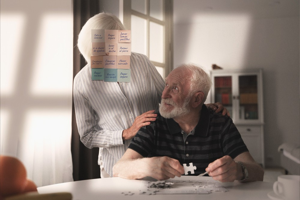
This module discusses the definition, cause, impact and management of behaviours that are often perceived as challenging in adults. Although this module aims to provide you with standard principles and best practice guidelines in regard to working with residents and service users who communicate using behaviours that can challenge, it is important to remember that local guidelines and policies should always be followed. It is your responsibility to seek these out and spend time reviewing them. If you're unsure where to find your local guidelines, try asking a colleague, your line manager, or reviewing your local organisation's intranet.

Stay updated with our


Stay updated with our

User from
Easy to navigate and understand.
Posted on 05/09/2026
User from
Good
Posted on 12/02/2026

User from
Informative
Posted on 22/01/2026
User from
Easy to navigate and understand.
Posted on 05/09/2026
User from
Good
Posted on 12/02/2026
User from
Informative
Posted on 22/01/2026
Stay on top of your learning with the Care Learning app.


Join Care Learning as a trainer and deliver high-quality courses to learners across healthcare and workplace training.
Invite healthcare professionals to join Care Learning and get rewarded when your referral successfully joins.
It describes behaviours that are unusual, severe, and harmful, or that limit a person’s access to everyday activities. It is not a diagnosis and should not be used as a label for the person.
Behaviour must be considered within cultural and situational context, as actions seen as challenging in one setting or culture may be normal or acceptable in another.
Causes may include pain, boredom, communication difficulties, emotional distress, environmental factors, or a need for attention, escape, or preferred activities.
The focus should be on positive behaviour support, understanding triggers, meeting unmet needs, using proactive strategies, and responding calmly while protecting dignity and rights.
.jpg)
.jpg)
.jpg)
.jpg)
.jpg)
.jpg)