CPR and BLS: Key Differences and Essential Skills for Healthcare Professionals
Healthcare emergencies can happen without warning, and a quick response can help save a life. Understanding CPR and BLS helps healthcare professionals recognise cardiac arrest, respond safely and provide essential care until further medical help arrives. Although these terms are closely related, they describe different levels of emergency response and the skills required to manage life threatening situations.
What Is CPR?
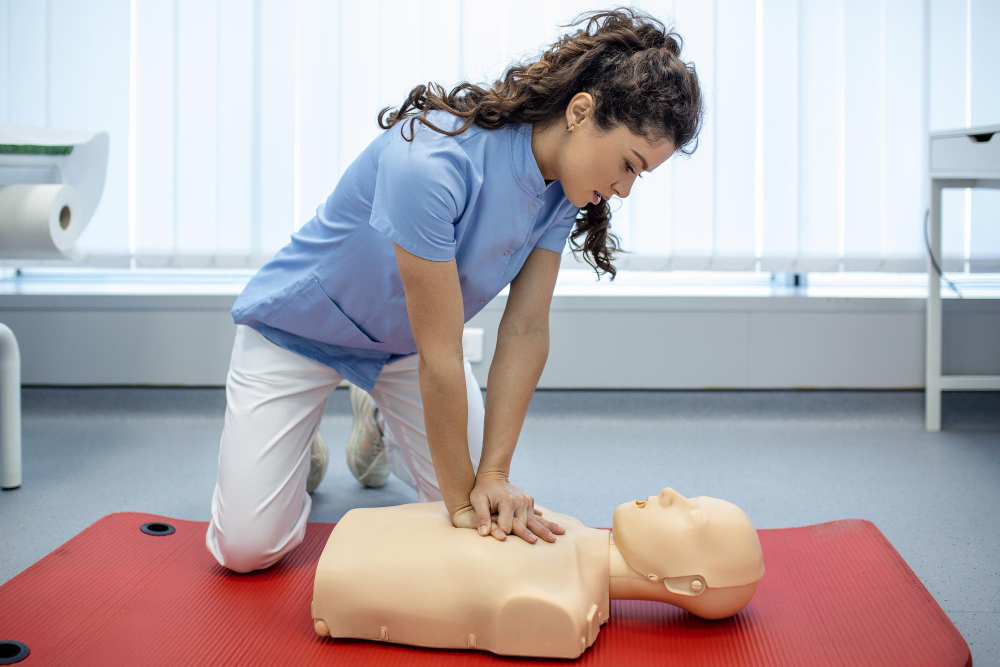
Cardiopulmonary resuscitation is an emergency technique used when a person stops breathing or their heart stops beating. It helps keep blood flowing to the brain and other important organs until the heart can start working again or until more advanced medical help is given.
Cardiopulmonary resuscitation uses chest compressions to help maintain circulation during a cardiac emergency. Rescue breaths may also be provided to deliver oxygen when appropriate. The technique used depends on factors such as the patient's age, current condition, the responder's training and the emergency guidelines that apply.
For healthcare professionals, CPR skills are essential when responding to a patient who becomes unresponsive and is not breathing normally. Recognising the emergency and starting appropriate action quickly can improve the person’s chance of survival.
What Is BLS?
Basic life support is a set of emergency skills used to help people experiencing cardiac arrest, breathing difficulties or other life threatening conditions. It includes recognising an emergency, checking responsiveness, activating emergency services, providing CPR and using an automated external defibrillator (AED).
The main difference is that CPR is a single specific emergency technique, whereas BLS includes a wider range of steps taken during the first part of an emergency response. Healthcare workers usually study these skills as a group since they must quickly understand what is happening and act properly right away.
CPR and BLS: What Are the Key Differences?
Even though these terms are related, they each serve different roles in emergency care.

The exact course content depends on the training provider and the learner’s professional role. Both skills are important, but BLS prepares healthcare professionals to manage more parts of the initial emergency response.
Essential Skills Every Healthcare Professional Should Know
1. Recognising an Emergency
Early recognition is the first step in effective emergency care. Healthcare professionals should identify signs such as sudden collapse, unresponsiveness and abnormal breathing.
A person who is unresponsive and not breathing normally may be experiencing cardiac arrest. Staff should activate the emergency response system promptly and follow their workplace procedures.
2. Performing High Quality Chest Compressions
Good chest compressions help move blood to important organs when the heart isn't working well.
For adult CPR, the current Resuscitation Council UK guidelines suggest performing compressions at a rate of 100 to 120 per minute and a depth of 5 to 6 centimetres. After each push, rescuers should let the chest go back completely to its usual place and try to keep the process going without stopping too much.
3. Supporting Breathing and Keeping the Airway Open
Keeping the airway clear and giving proper breathing help are key steps in resuscitation. Healthcare workers who have the proper training can use rescue breaths along with chest compressions, and they change their method based on the patient's age and medical situation.
Staff should avoid excessive ventilation and follow the relevant clinical guidelines. Training also helps professionals recognise when breathing problems require immediate intervention.
4. Using an Automated External Defibrillator
An AED checks the heart’s rhythm and advises whether an electric shock is needed. Early defibrillation can improve the chance of survival in suitable cases of cardiac arrest.
Healthcare professionals should know where AEDs are located and how to use them safely. They should follow the device’s instructions and resume compressions promptly when directed.
5. Working Effectively as a Team
Emergency care often requires several healthcare professionals to work together. One person may perform compressions while another manages the airway, prepares the AED or contacts the emergency team.
Clear communication, defined responsibilities and regular updates help reduce confusion. Team members should also be prepared to change roles when needed to maintain effective care.
Why Is CPR Training Important?
CPR training gives learners the opportunity to practise emergency techniques under guidance. Practical sessions help participants develop confidence in recognising cardiac arrest, performing compressions and responding to changing situations.
For healthcare workers, regular practice can help maintain skills that may not be used every day. Training should match the learner’s role and follow recognised guidance.
Who Should Complete BLS Training?
BLS training is valuable for nurses, doctors, healthcare assistants, paramedics and other professionals who may encounter medical emergencies. It can also be relevant to staff working in aged care, community care and other health services.
Employers may require staff to complete an approved course before starting certain roles or renewing workplace competencies. Requirements vary by organisation, job duties and jurisdiction, so learners should check which qualification their employer accepts.
How Can Healthcare Professionals Keep Their Skills Current?
Emergency response guidance can change as new evidence becomes available. Healthcare professionals should check their employer’s training policy and renew their qualifications within the required timeframe.
Ways to maintain Emergency Response Skills:
- Take part in real-life emergency practice sessions at your workplace.
- Stay informed about the latest approved methods for performing CPR.
- Know where essential emergency equipment is stored.
- Follow your workplace procedures for escalating emergencies.
- Join team practice sessions and use the feedback to help improve your performance.
These steps ensure that staff are ready and know what they need to do when a medical emergency occurs.
Frequently Asked Questions
1. What Is the Difference Between CPR and BLS?
CPR is a lifesaving method used when someone stops breathing and their heart stops, and they don't respond to anything around them. The process involves doing chest compressions and may also include giving rescue breaths to keep blood moving and give the person oxygen. BLS covers more emergency care skills, like recognising serious health issues, performing CPR, and using an automated external defibrillator.
2. Can Healthcare Assistants Benefit from BLS Training?
Yes. BLS training helps healthcare assistants prepare for medical emergencies they may encounter in the workplace. Choosing a course that reflects their responsibilities and meets their employer’s training requirements is important.
3. How Long Does CPR or BLS Training Take?
The time needed to complete CPR or BLS training depends on the course structure, provider and qualification level. Some sessions focus on essential skills, while others include more practical exercises and additional topics. Before enrolling, review the course information to confirm its duration, learning format and assessment requirements.
4. Do healthcare workers have to renew their Basic Life Support certification?
Many employers require their workers to take training again from time to time, but how often they have to do it can vary depending on the job, the training course, and the rules of the profession. Make sure to follow the guidelines set by your employer and the directions given by the training organisation.
5. Can CPR and BLS skills improve patient outcomes?
Prompt recognition, high quality CPR and early AED use can improve the chances of survival during cardiac arrest. Effective training helps responders act quickly and follow appropriate emergency procedures.
Conclusion
CPR and BLS are essential skills for healthcare professionals who may need to respond to life threatening emergencies. Understanding their differences helps staff recognise when to act, provide appropriate support and work effectively with other responders.
Keeping up with practice helps doctors and nurses remember important emergency skills, so they can act better during sudden problems. Choose the training that is appropriate for your job and follows accepted standards for resuscitation.
Care Learning provides free CPD courses and useful learning resources across a range of healthcare topics. Explore relevant courses to build your knowledge, strengthen your practical understanding and support your professional development. Apply or register today.