First Aid Training Dublin: A Guide to Emergency First Aid
Have you ever wondered where to start when learning how to respond to an emergency?
First aid training in Dublin can help healthcare workers, care professionals, and other members of the public develop the knowledge and practical skills needed to respond appropriately when someone becomes suddenly ill or injured. From recognising an emergency to providing immediate assistance while further medical help is arranged, first aid knowledge can make a valuable difference in the early stages of an incident.
What Is First Aid Training?
- First aid training shows people how to handle injuries or sudden health issues in a safe and helpful way. It focuses on providing care right away instead of taking the place of professional medical treatment.
- A typical first aid training programme may cover emergency response, basic life support, recovery position, bleeding, burns, choking, fractures, and other common situations. The exact topics depend on the course level and training provider.
- The purpose is not simply to memorise procedures. Participants also learn how to assess a situation, protect themselves and others from further harm, and decide when emergency medical assistance is required.
Why Is Emergency First Aid Training Important?
Emergencies can happen in workplaces, healthcare facilities, homes, public spaces, and community environments. Having someone nearby who knows how to respond can provide immediate support while professional emergency services are being contacted.
Emergency first aid training can help participants develop confidence in handling common emergencies. It may be particularly valuable for people who work with children, older adults, patients, customers, or vulnerable individuals.
For healthcare and social care workers, knowing first aid can help add to their current medical or care abilities. It can also help highlight the value of staying calm, speaking clearly, and following the right steps when there's an emergency.
What Can You Learn on a First Aid Course?
The content of a first aid course varies according to the level and purpose of the programme. Basic courses often introduce participants to essential emergency response skills.
Common areas may include:
- Assessing an emergency situation
- Calling for appropriate emergency assistance
- Providing basic life support
- Responding to choking
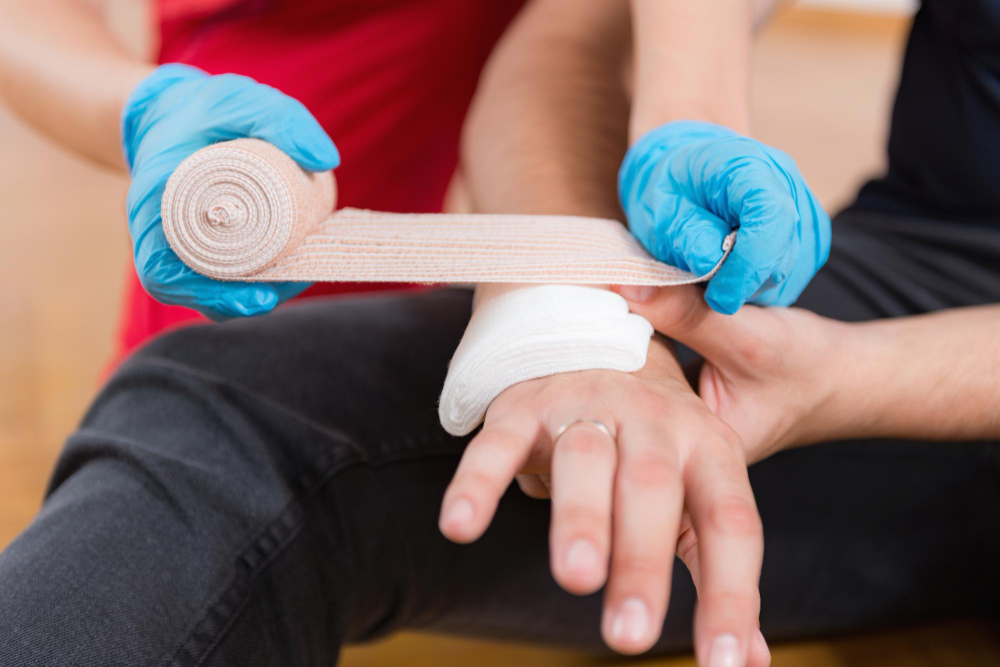
- Managing bleeding
- Supporting someone who has fainted
- Responding to burns and minor injuries
- Understanding recovery position procedures
- Recognising when urgent medical attention is required
More advanced programmes may include additional topics that are relevant to particular workplaces or professional responsibilities.
Practical First Aid Training: Why Hands-On Learning Matters
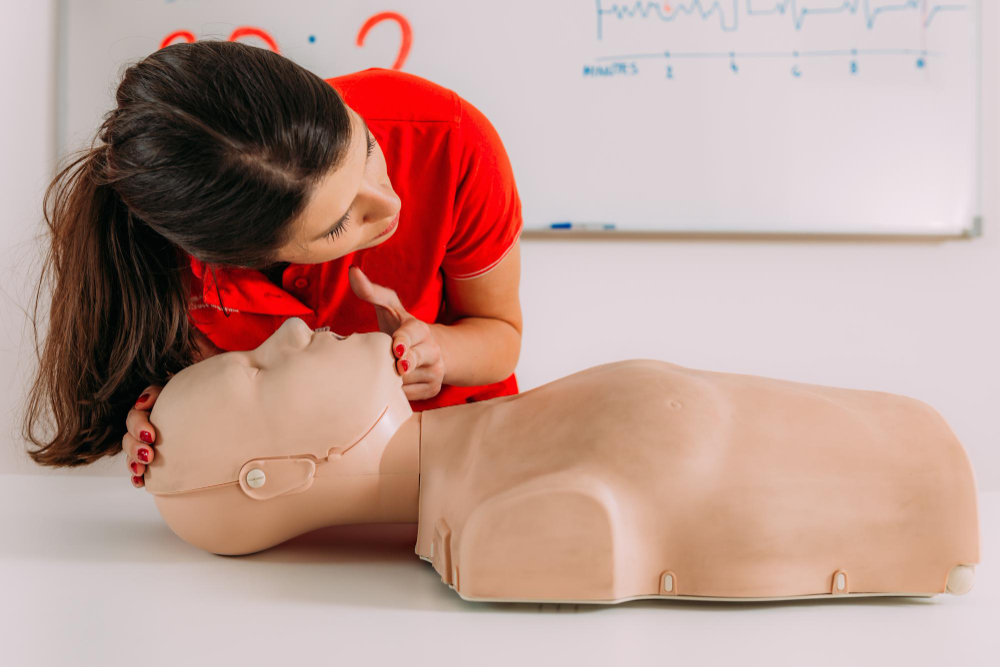
Knowing first aid is important, but actually practicing the skills in real-life situations helps people feel more confident. Practical First Aid Training allows participants to try out important procedures with help and support in a safe setting. This method helps learners get used to the right answers before they have to use them in a real emergency.
Hands-on sessions can help learners understand how to position themselves, communicate during an emergency, and perform appropriate techniques under instructor guidance.
Practical activities can also highlight the importance of decision-making. In a real emergency, a person may need to assess what is happening quickly rather than simply follow a theoretical checklist.
Who Can Benefit from First Aid Training?
First aid education can benefit a wide range of people. Healthcare workers and social care professionals may use these skills alongside their regular responsibilities.
Employers may also encourage staff members to undertake relevant training because emergencies can occur in almost any workplace. Teachers, childcare workers, hospitality staff, sports professionals, community workers, and members of the public may also find first aid knowledge useful.
For people working in care environments, training can support their ability to respond appropriately while maintaining the individual’s dignity and safety.
First Aid Training Ireland: Building Skills Beyond Dublin
Access to emergency care education is not limited to the capital. First aid training in Ireland options are available across different locations and may suit people with different professional and personal needs.
Training availability, course duration, delivery methods, and certification can differ between providers. Learners should check the course objectives and requirements before enrolling.
Some programmes may be delivered in person, while others can combine online learning with practical sessions where appropriate.
Exploring First Aid Training Galway
People who live or work in Galway can take first aid training in Galway. This is helpful for them to learn about emergency responses without needing to go to Dublin.Professionals and others not in Dublin can also find training options in different regions.
Regional training can be particularly convenient for employers who want several members of their team to complete relevant education. Before choosing a programme, check whether the course meets your workplace or professional requirements.
First Aid Training Donegal
People living in the northwest can consider first aid training in Donegal when looking for locally accessible learning opportunities.
Local courses can help participants build practical emergency response skills while fitting training around work and personal commitments. Course content should always be reviewed carefully to ensure it is suitable for the intended purpose.
How to Choose the Right First Aid Programme
When choosing a program, the course title shouldn't be the only thing you consider. Think about who the training is for, what topics it covers, how much hands-on guidance it gives, the way it's taught, and if the certificate matches what your job or workplace needs.
It's also important to remember that learning first aid is not the same as having proper medical training. Nurses, healthcare assistants, carers, and other healthcare workers need to do their jobs as trained and follow the rules set by their workplace.
If you are doing training for a job that needs a professional role, check if there are any certifications required or if they need to be renewed before you sign up.
First Aid Skills and Career Development
First aid training can complement broader healthcare and social care education. For people beginning a career in care, it can form part of a wider commitment to safe and responsible practice.
However, first aid training does not replace professional clinical qualifications. Nurses, healthcare assistants, carers, and other professionals should understand the boundaries of their role and follow their employer’s policies and procedures.
Combining emergency response knowledge with appropriate professional education can help workers become more confident when dealing with unexpected situations.
Why Continuous Learning Matters
Emergency procedures and workplace expectations can change over time. Regular learning gives professionals an opportunity to refresh their knowledge and remain familiar with appropriate responses.
Ongoing learning can also contribute to long-term development in the health and social care sector. Gaining knowledge in different areas can strengthen a professional’s skills and help them adapt to new duties, changing expectations, and evolving workplace needs.
Conclusion
First aid training can give you important skills to help during emergencies until doctors or nurses can arrive. Whether you're a healthcare worker, someone who provides care, an employer, or just a regular person, getting the right training can help you learn useful skills and feel more confident when dealing with emergencies.
When choosing a programme, think about the course topics, hands-on activities, who is running it, what certifications are needed, and how well it fits with your job. Care Learning is a platform where you can access free CPD courses and find plenty of information on various subjects. Apply or register today.
FAQs
1. What Does First Aid Training Teach You?
First aid training introduces participants to appropriate ways of responding when someone experiences an injury or sudden illness. The aim is to provide immediate assistance and maintain safety while waiting for qualified medical professionals to take over.
2. Who should complete first aid training?
Healthcare workers, caregivers, people who work in offices, teachers, those who look after children, and regular members of the public can all gain from knowing how to respond in an emergency.
3. What are the different subjects taught in emergency first aid courses?
The subjects covered can be different depending on the course but might include things like helping during a medical emergency, dealing with choking, stopping bleeding, treating burns, putting someone in a recovery position, checking for injuries, and knowing the right steps to take in an emergency.
4. Is practical training part of all first aid classes?
Not necessarily. Course formats can vary, so it's important for learners to find out if there are hands-on sessions included and whether the program matches their job or career needs.
5. What advantages does first aid training offer for a career in healthcare?
First aid training can help improve professional healthcare and care qualifications by increasing knowledge of how to handle emergencies and showing a stronger dedication to keeping patients and clients safe.