How Can Nurses Improve Diabetes Management in Ireland
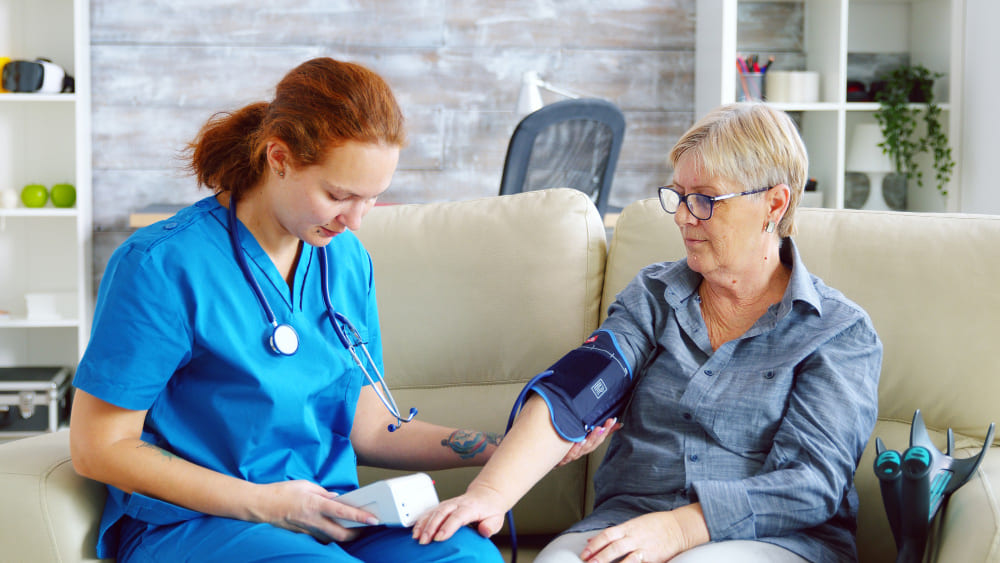
One of the most common chronic illnesses in Ireland is diabetes, which necessitates ongoing treatment, patient involvement, and education. Leading the charge in this endeavor are nurses, who are vital to long-term care, monitoring, and prevention. Healthcare workers are better able to provide efficient, patient-centered care and enhance community outcomes when they have access to programs like a diabetes awareness course Ireland and specialized training in diabetes management for nurses Ireland.
Addressing the Increasing Cost of Diabetes
- The growing prevalence of diabetes, particularly Type 2 diabetes, is placing an increasing burden on healthcare systems.
- This growing issue is caused by lifestyle factors, aging populations, and delays in diagnosis.
- Nurses are required to teach patients preventative and self-management skills in addition to delivering clinical care.
- Nurses can recognize early warning signals and take action before difficulties arise by having a thorough awareness of disease development and risk factors.
- This proactive strategy is crucial for lowering hospital admissions and enhancing patients' quality of life.
The Function of Nurses in the Management of Diabetes
For people with diabetes, nurses serve as advocates, educators, and caregivers. They are responsible for giving medication, keeping an eye on blood sugar levels, and encouraging lifestyle modifications.
Building trust with patients, promoting treatment plan adherence, and addressing dietary, exercise, and medication-related concerns are all important components of effective diabetic care. Because they are frequently the first point of contact, nurses play a critical role in ensuring continuity of care.
Enhancing Knowledge Through Continuous Education
Improving diabetes management requires ongoing education. Programs like Type 2 Diabetes CPD Nurses Ireland give nurses up-to-date information on developing technologies, patient education strategies, and treatment options.
Nurses can expand their knowledge of blood glucose monitoring and long-term control markers through flexible learning choices, such as online HbA1c education. This makes it possible for them to accurately analyze results and modify care plans as necessary.
In the end, improved patient outcomes result from nurses maintaining their competence and confidence in handling challenging cases through ongoing professional development.
Patient Education: Empowering Self-Management
Patient education is one of the best ways nurses can enhance diabetes care. People are empowered to take charge of their health when they are taught how to track their condition, identify symptoms, and make wise lifestyle decisions.
Important areas of attention consist of:
Being aware of blood sugar levels and goals
Maintaining a healthy diet and engaging in regular exercise
Controlling the use of insulin and medicines
Patients are more likely to follow treatment regimens and prevent problems when they are well-informed.
Preventing Complications Through Early Intervention
If diabetes is not effectively treated, it can result in major complications such nerve damage, foot issues, and cardiovascular disease. When it comes to early identification and prevention, nurses are essential.
Nurses who receive specialized training, like diabetes foot care training, are better able to evaluate and manage foot health, which lowers the incidence of ulcers and amputations. Preventing long-term problems requires quick actions and routine exams.
Nurses can greatly lessen the impact of diabetes on patients and the healthcare system by emphasizing prevention.
Utilising Monitoring Tools and Technology
Diabetes care has changed as a result of medical technological advancements. Today, nurses can monitor patient development and deliver individualized treatment using digital tools and monitoring systems.
Technology allows for more precise evaluations and improved patient-provider communication, from glucose monitors to electronic health records. When educated to use these technologies, nurses can provide more effective and efficient care.
Building a Patient-Centred Approach
A comprehensive, patient-centered strategy is needed to improve diabetes management. Nurses must take into account the psychological and emotional effects of the illness in addition to its physical manifestations.
Comprehensive diabetes management includes helping patients overcome obstacles, removing care barriers, and promoting positive behavioral changes. Nurses can improve participation and results by customizing care plans to each patient's requirements.
How Care Learning Encourages Nurses to Transform Diabetes Care?
By providing focused, hands-on training intended to improve clinical confidence and patient outcomes, Care Learning helps nurses in Ireland manage diabetes better. Nurses acquire the knowledge necessary to provide proactive and efficient care through specialized programs like diabetes awareness courses, HbA1c-focused learning, and skill-based training like diabetes foot care. Care Learning gives nurses the tools they need to better educate patients, avoid problems, and provide high-quality diabetes care in a variety of healthcare settings by fusing flexible learning with practical application.
Conclusion
Through patient care, early intervention, and education, nurses are essential to improving diabetes management in Ireland. They may provide excellent, evidence-based care that truly makes a difference if they have access to specialized training and ongoing professional development. Nurses support healthier communities and greater long-term results by empowering patients and staying current with best practices.
Register or apply now.