Manual Handling Training: What Healthcare Workers Need to Know
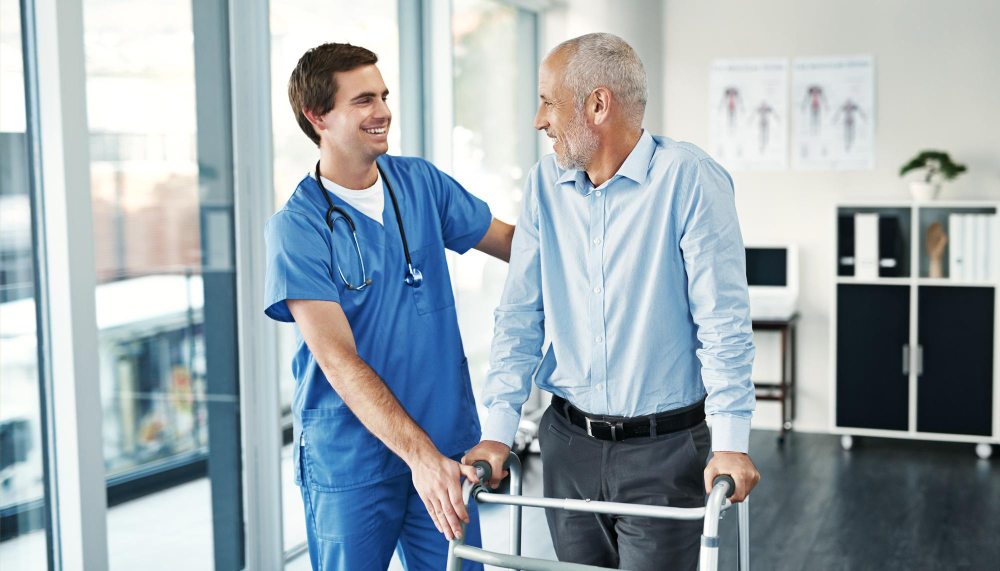
Healthcare workers regularly assist patients with everyday activities, including repositioning in bed, standing, walking and moving between chairs and beds. Without the right knowledge and preparation, these tasks can place both workers and patients at risk of injury. Manual handling training helps healthcare professionals understand these risks, use safer working methods and make informed decisions when supporting people with different mobility needs. Understanding the principles of safe movement is essential for maintaining staff wellbeing, protecting patients and delivering quality care.
What Is Manual Handling in Healthcare?
- Manual handling refers to activities that involve lifting, lowering, pushing, pulling, carrying, supporting or moving a person or object.
- In healthcare environments, these activities may occur in hospitals, nursing homes, residential care facilities and community settings.
- For example, a healthcare assistant might help a resident get from a wheelchair to a bed, while a nurse could adjust the position of a patient who isn't able to move on their own.
- Every situation needs to look at the person's skills, the surroundings, and how much help they need.
- Training helps workers spot dangerous movements and know when they need extra help or equipment.
Why Is Manual Handling Training Important?
Healthcare professionals often perform physically demanding tasks throughout their shifts. Repeated movements, awkward postures and unexpected changes in a patient’s balance can contribute to musculoskeletal injuries, particularly affecting the back, shoulders and arms.
Appropriate training helps workers identify hazards before beginning a task. It also reinforces the importance of planning movements, communicating with colleagues and using suitable equipment.
The benefits extend beyond injury prevention. Well-planned assistance can reduce discomfort, protect a person’s dignity and encourage them to participate in their own care whenever possible.
Training should be supported by workplace risk assessments, appropriate staffing, suitable equipment and clear procedures rather than treated as a standalone solution.
Understanding Patient Moving and Handling
Patient moving and handling involves assisting individuals who need support to change position or move safely within a healthcare environment. The level of assistance required depends on their mobility, physical condition, understanding and ability to follow instructions.
Before helping someone move, workers should review the person’s care plan and assess their current condition. A patient who usually walks with minimal assistance may require a different approach when experiencing pain, dizziness, weakness or confusion.
Effective communication is equally important. Explaining the movement, agreeing on instructions and allowing the person time to respond can help reduce anxiety and encourage cooperation.
When a task cannot be completed safely with the available staff or equipment, workers should seek appropriate assistance rather than attempting to manage the movement alone.
What Does Safe Patient Handling Involve?
Safe patient handling focuses on reducing the risks associated with assisting people who have limited or changing mobility. It combines individual assessment, appropriate equipment, effective communication and suitable working practices.
Healthcare workers should consider several factors before beginning a movement:
- The person’s ability to stand, bear weight, follow instructions and maintain balance.
- Any pain, fatigue, weakness or medical condition that could affect movement.
- The space available around the bed, chair or transfer area.
- The equipment required and whether it is suitable for the individual.
- The number of trained staff needed to complete the task safely.
Equipment such as hoists, transfer aids and slide sheets may be appropriate in particular circumstances. Workers should use these devices only when trained and authorised, following the person’s care plan, manufacturer instructions and workplace procedures.
Common Patient Transfer Techniques
Patient transfer techniques vary according to the individual’s mobility and the destination of the movement. Common situations include assisting someone from a bed to a chair, supporting a person to stand or repositioning an individual in bed.
Someone who can handle weight and listen to directions might be able to take part in a transfer with the right help. A person who isn't able to safely hold their own weight might need a hoist or some other method that has been properly checked.
There is no single transfer method that suits every patient. The chosen approach must reflect the individual’s needs, the assessed risks and the equipment available.
Workers should never improvise a transfer when they are uncertain about its safety. They should pause, reassess the situation and obtain guidance from a suitably trained colleague or supervisor.
Essential Manual Handling Techniques for Healthcare Workers
Safe working methods can help lower the risk of physical stress during caregiving tasks. Manual handling techniques need to be taught through hands-on training that shows real-life tasks healthcare workers do in their jobs.
Important principles include:
Plan the movement: Before you begin, figure out what needs to be done, check for any dangers, and gather all the tools and gear you'll need.
Maintain a stable position: Stay balanced and keep your position steady.Don't stretch too far or twist your body when lifting or moving something heavy.
Move smoothly: Don't make quick, rough movements and work with your team in a coordinated way.
Use the tools that are available: pick the right gear based on what the person needs and the advice from their work environment.
Talk clearly: Make sure to explain what you're doing and agree on the steps with the patient and any other team members involved.
Stop when things change: Check again if the patient starts to feel upset, loses their balance, or can't do the planned movement anymore.
These principles do not replace individual assessment or specific practical instruction. Workers must follow the approved procedure for each task rather than relying on general posture advice alone.
What Should a Manual Handling Training Course Cover?
A suitable course should combine essential knowledge with practical learning relevant to the participant’s role. Depending on the programme, topics may include hazard identification, risk assessment, safer movement principles, equipment selection and the prevention of musculoskeletal injuries.
Healthcare-specific programmes may also cover patient mobility assessment, assisted transfers, repositioning and the correct use of relevant handling aids.
Practical sessions allow learners to practise appropriate methods under the guidance of a competent instructor. Participants should have opportunities to ask questions, demonstrate their understanding and receive feedback.
Healthcare workers should check whether their course meets the requirements of their employer and applicable local guidance. Training for moving objects alone may not cover the additional skills required for assisting patients.
When Should Healthcare Workers Refresh Their Training?
Training needs can change as responsibilities, equipment and workplace procedures evolve. New employees should complete the training required for their role before undertaking tasks independently.
Refresher training may be necessary when an assessment identifies gaps in knowledge, a worker changes roles, new equipment is introduced or an incident highlights the need for improvement. Employers should determine refresher arrangements in line with relevant guidance, risk assessments and organisational policy.
Workers should also report damaged equipment, unsafe conditions and near misses so that appropriate corrective action can be taken.
Frequently Asked Questions
1. Who needs manual handling training?
Healthcare assistants, nurses, support workers and other staff involved in moving people or handling loads may require training relevant to their responsibilities and workplace risks.
2. Does manual handling training stop every injury that happens at work?
No. Training can lower the chance of harm, but it doesn't guarantee that injuries won't happen. Safe systems, right tools, checking for risks, enough workers, and good work habits are also very important.
3. Is there a difference between patient handling training and general manual handling?
Yes. Patient handling requires extra care, such as considering their ability to move, getting their permission, making sure they are comfortable, assessing their health status, and following their personal care plan. General manual handling training might not include these specific requirements.
4. How often should healthcare workers retake their training?
There isn't one refresh period that works for all work environments. Employers need to look at the right advice and check what training is needed based on the job tasks, possible dangers, and any new ways of doing work.
5. Can healthcare workers use handling equipment without practical training?
Workers should not use unfamiliar or specialised handling equipment without the appropriate instruction and authorisation. They must follow workplace procedures and seek assistance if they are unsure how to operate a device safely.
Conclusion
Safe movement is an essential part of delivering effective healthcare. Understanding handling risks, assessing individual needs, communicating clearly and using suitable equipment can help protect patients and healthcare professionals alike.
Practical training helps workers learn the right skills and feel more sure about making good choices when taking care of people every day. Healthcare workers can help create safer settings and improve patient care by staying up-to-date with their skills and following the rules of their workplace.
Apply or register today to explore learning opportunities that support your healthcare knowledge and professional development. Care Learning is a platform where you can get free CPD courses and enough information on multiple topics.