Nursing Home Jobs in Ireland: Skills and Training Employers Expect
Written by
Liam BennettReviewed by
Ken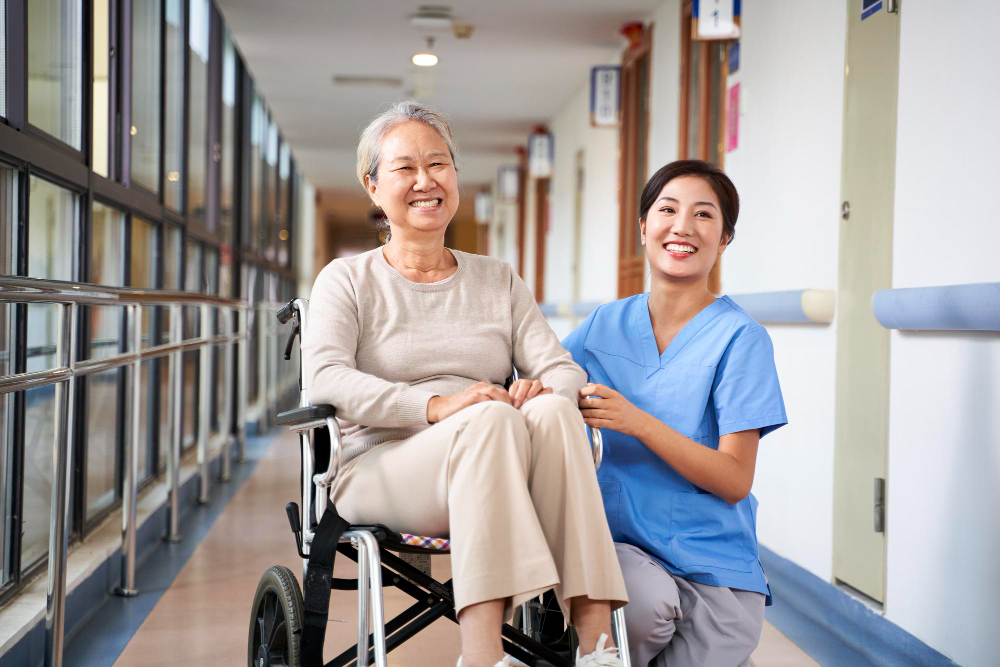
Published on November 23, 2026
Working in a nursing home necessitates patience, practical care skills, and a strong dedication to the welfare of the residents. Nurses, healthcare assistants, and other caregivers can better prepare for the duties that employers anticipate by having a thorough understanding of the nursing home jobs in Ireland.
Nursing facilities assist senior citizens who require assistance with everyday tasks, continuing medical needs, and personal care. Maintaining residents' freedom, safety, comfort, and dignity is a major responsibility of the staff. As a result, employers seek candidates who have a combination of appropriate credentials, dependability, effective communication, and practical experience.
This guide outlines the key competencies, credentials, and training that will help you get ready for a position in an Irish nursing home.
Understanding Nursing Home Staff Requirements
Nursing homes employ different professionals to provide safe and effective care. The exact nursing home staff requirements depend on the position, employer and level of responsibility.
Typical roles consist of:
- Registered General Nurses (RGNs): Coordinate clinical care, monitor health conditions, deliver recommended treatments, and assess residents. In addition to maintaining registration with the Nursing and Midwifery Board of Ireland (NMBI), nurses must possess the necessary credentials.
- Healthcare Assistants (HCAs): Help residents with daily activities, food, mobility, clothing, and personal hygiene.
- Senior Healthcare Assistants: Lead care teams, assist with everyday tasks, and contribute to upholding standards of care.
- Activities Coordinators: Plan social events that motivate locals to stay engaged and involved.
- Support and catering staff: Assist in keeping the area tidy and cozy while attending to the daily needs of the residents.
Depending on the position, different nursing home staff requirements apply. Employers may ask for proof of training completion, references, prior care experience, Garda vetting, and pertinent credentials.
Important Skills for Care Home Workers
It takes more than just doing everyday care activities to work with older folks. Employees must be aware of each person's requirements and react with love, patience, and respect.
Key Competencies for care home workers:
- Communication: Communicate well with coworkers, relatives, and residents. Pay close attention and let the right person know if you have any concerns.
- Patience and empathy: Recognise that residents might require additional time, comfort, or emotional assistance.
- Observation: Pay attention to any alterations in your overall health, mobility, hunger, mood, or behavior.
- Teamwork: Work with nurses, healthcare assistants, and other professionals to deliver consistent care.
- Time management: Finish tasks as given while attending to residents' evolving needs.
- Respect for dignity: Encourage residents to make decisions about their daily schedules while safeguarding their privacy.
- Solving problems: Identify issues, adhere to company policies, and ask for assistance as needed.
These skills help create a supportive environment where residents feel safe, respected and valued.
Crucial Instruction for Nursing Home Employees
Care workers can carry out their jobs safely and confidently with the support of appropriate training. To make sure employees comprehend workplace protocols, employers may offer induction programs and continuing education.
Possibilities for Training in Nursing Homes: The following are commonly seen in Ireland:
- Prevention and management of infections
- Protecting adults who are at risk
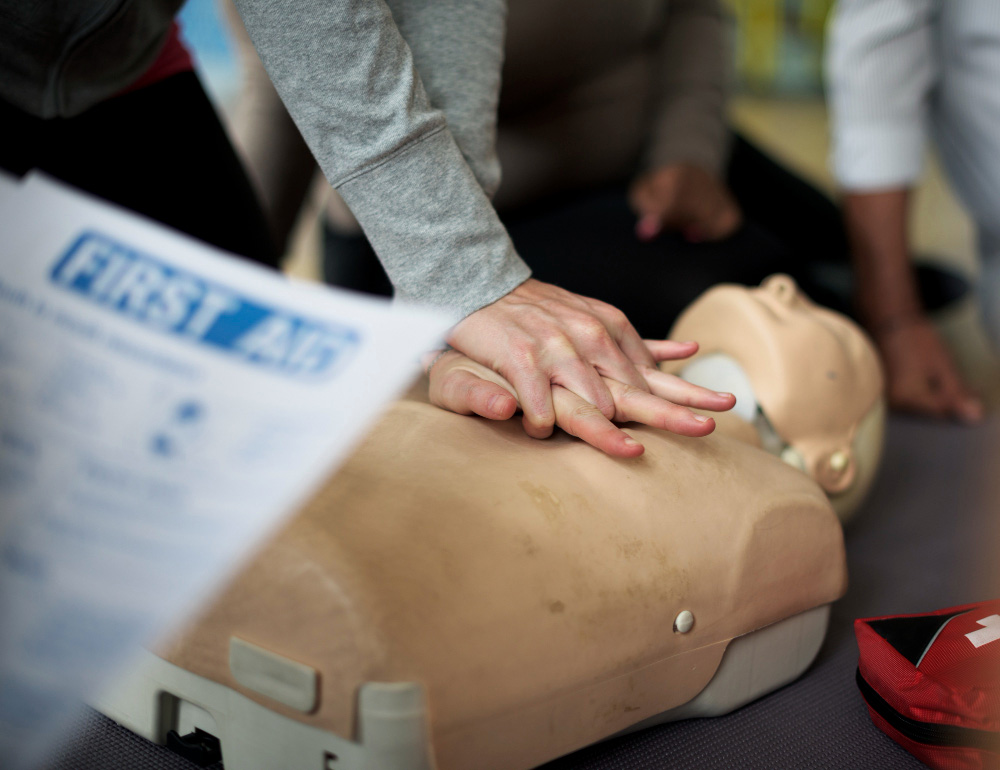
- Basic life support and first aid
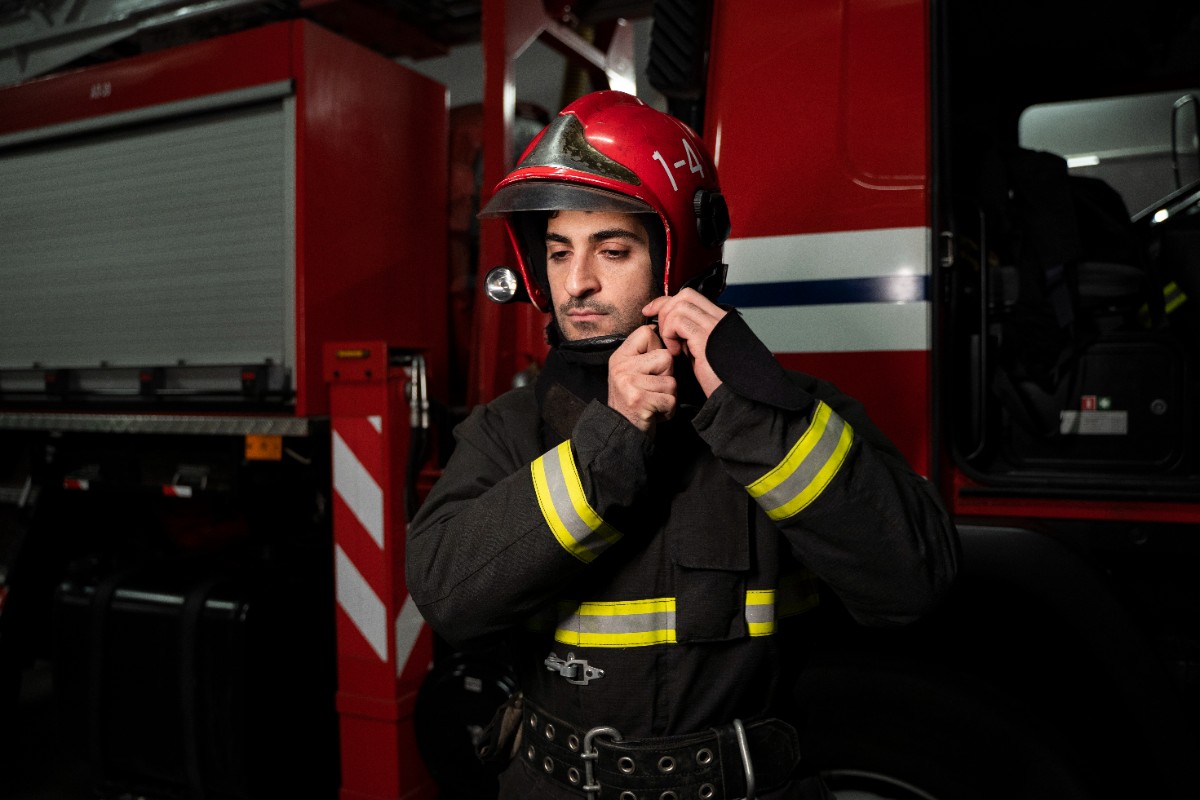
- Emergency protocols and fire safety
- Understanding of drugs
- Knowledge of dementia
- Person-centered communication and care
- Transporting and overseeing patients
While some courses aid in career advancement, others are required before beginning specific occupations. Always ensure that the training you get complies with Irish regulations and meets the demands of your company.
Transporting and Managing Patients
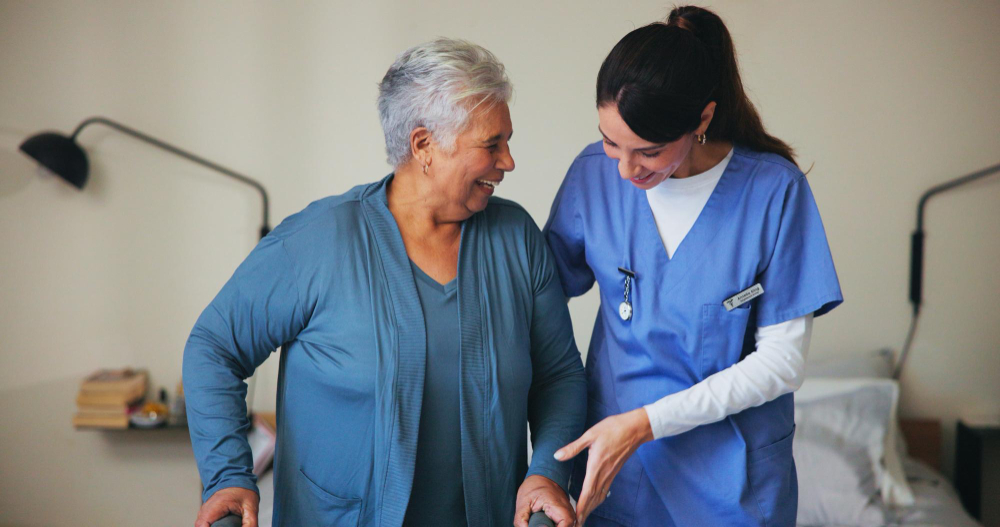
When utilising mobility equipment, walking, getting out of bed, or switching between chairs, residents can require assistance. Employees need to know how to offer this assistance without endangering residents or themselves.
Employees who receive patient moving and handling training learn how to evaluate patients' needs for mobility, use the right tools, and adhere to safe procedures. Additionally, it makes it easier for employees to recognise when they need help from a coworker.
Key areas consist of:
- Evaluating each resident's needs and mobility.
- Making proper use of hoists, transfer tools, and other equipment.
- Encouraging secure wheelchair, chair, and bed transfers.
- Reducing physical strain and maintaining proper posture.
- Adhering to personal care protocols for relocation and handling.
Employees should never try to transfer outside of their training or organisational policies. The safety and dignity of the residents must always come first.
The Significance of Manual Handling Training
Lifting, repositioning, and assisting seniors with various mobility issues can all be part of care employment. Both personnel and residents may sustain injuries as a result of improper procedures.
Workers can learn about workplace hazards and employ safer techniques when performing physical jobs with the aid of Manual Handling Training Ireland. The tools, processes, and duties associated with the position should be reflected in the training.
Before assigning employees to manual handling tasks, employers should make sure they obtain the necessary training. When protocols, tools, or personal care requirements change, refresher training could also be required.
Experience and Qualifications Employers Could Look for
Healthcare assistant and nursing occupations have different requirements.
Employers typically need registered nurses to have both an active NMBI registration and a suitable nursing qualification. An application may be strengthened by further experience in clinical nursing, dementia assistance, or senior care.
Depending on the organisation and job, healthcare assistant positions may require a relevant healthcare certification, such as an appropriate QQI Level 5 major award or its equivalent. It can also be helpful to have prior residential or community care experience.
Candidates should be prepared with the following documents where appropriate:
- Updated resume with experience in relevant care.
- Copies of training certificates and credentials related to healthcare.
- Referrals for employment.
- Identification and documentation of the right to work.
- Garda vetting or other required background checks.
- Professional registration details for regulated roles.
Check the vacancy carefully because employers may have different qualification and experience requirements.
How to Get Ready for Job Applications in Nursing Homes
Employers can learn more about your abilities and suitability from a well-written application.
Start by adding pertinent experience, credentials, and training to your resume. Provide real-world examples of how to assist senior citizens, uphold their dignity, and collaborate with a care team.
Consider how you would react in typical working scenarios to help you prepare for interviews. Employers might inquire about how you handle a resident in distress, record a change in health, or safeguard private information.p
Additionally, you should look at the duties of the advertised position and the nursing home's care philosophy. You can better explain how your background fits the position with this preparation.
Conclusion
In Ireland, working in a nursing home demands practical skills, appropriate training, and a sincere dedication to providing high-quality care. You can better prepare for positions as a registered nurse, healthcare assistant, or elder care worker by being aware of company expectations.
Prioritise security, person-centered care, communication, and safe handling and transportation techniques. To make your applications stronger, keep your training certifications and credentials current.
Care Learning is a healthcare learning platform where you can access free CPD courses and useful information across multiple topics. Explore learning opportunities to develop your knowledge and support your career in care. Apply and register today.
Frequently Asked Questions
1. What qualifications are needed for jobs in Irish nursing homes?
The role determines the requirements. While registered nurses require a suitable nursing qualification and valid NMBI registration, healthcare assistant positions may require a relevant QQI Level 5 qualification or its equivalent.
2. Does employment in an Irish nursing home require manual handling training?
Employers are responsible for making sure employees are properly trained to do manual handling activities. The proper use of equipment, risk assessment, and safe movement skills should all be covered in training.
3. What qualifications are required of healthcare aides by nursing homes?
Communication, empathy, patience, teamwork, observation, and time management are all highly valued by employers. Employees should also be aware of person-centered care, confidentiality, and resident dignity.
4. Do new hires at care homes receive training?
Induction and workplace training are offered by many employers. This could include manual handling, fire safety, infection control, and other job-related responsibilities.
5. Can I apply for positions in nursing homes if I have no prior experience?
Candidates with the right credentials and a desire to learn may be given consideration for some entry-level jobs. Before applying, make sure to review each position's requirements.