Support Worker Jobs in Ireland: Essential Training Requirements
Written by
Sarah JohnsReviewed by
Ken
Published on November 19, 2026
In Ireland, there are opportunities for support workers in a variety of care settings, such as assisted living facilities, community care, mental health institutions, residential care homes, and disability services. Employers seek applicants who possess the knowledge, skills, and training necessary to efficiently handle a variety of care needs.
The job entails much more than just helping people with daily tasks. Support staff need to be knowledgeable in medication awareness, effective communication, personal care, safeguarding, and handling difficult situations. Professionals who receive the right training are better able to maintain safe care procedures, gain confidence, and safeguard the wellness and dignity of the people they assist.
1. Understanding the Training Requirements for Support Workers
The training needed for support worker positions varies depending on the employer, workplace and job responsibilities. Some organisations offer training to new employees after hiring, while others look for applicants with recognised healthcare qualifications and relevant work experience.
Possessing an appropriate certification shows that you are knowledgeable about safe and efficient treatment procedures. Among the pertinent choices are:
- The QQI Level 5 Healthcare Support Certificate.
- QQI Level 5 Care Skills.
- QQI Level 5: Elder Care.
- Relevant social care or disability studies courses.
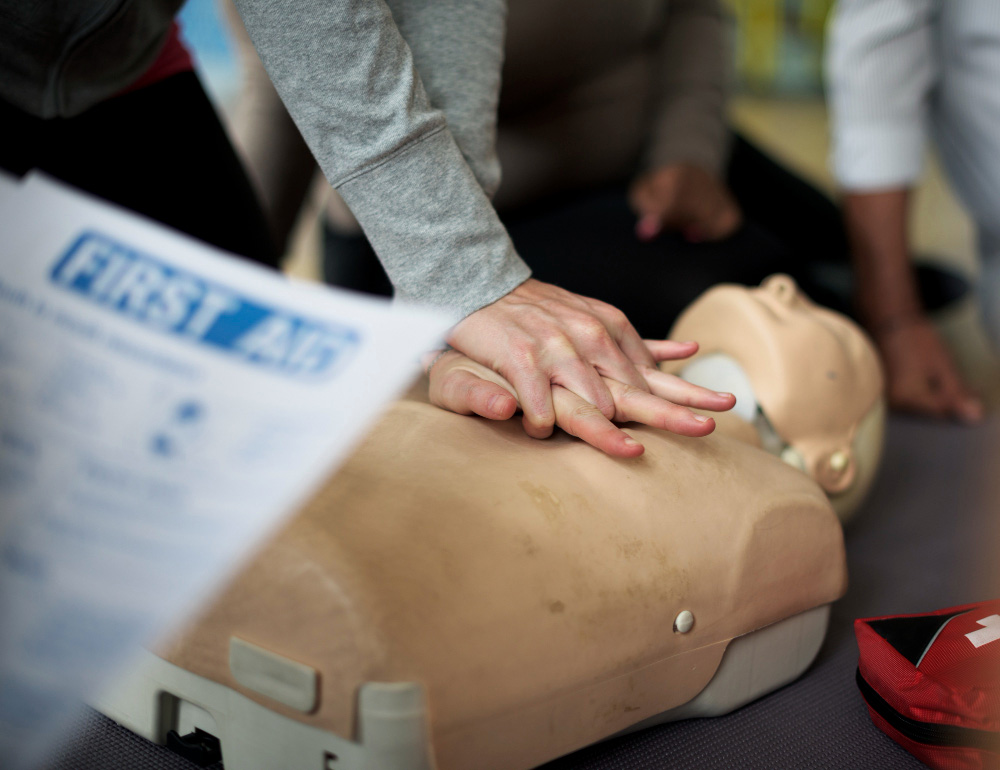
- Training in CPR and first aid.
- Training on protecting vulnerable adults.
- Training in patient movement and manual handling.
Depending on the requirements of their service consumers, employers may also ask for specialised training. Professionals who assist people with behavioral issues, for instance, could require further training in safe intervention, communication, and prevention.
2. PMAV Training
Prevention and Management of Aggression and Violence (PMAV) training is important for support workers who assist individuals displaying distressed, challenging or aggressive behaviour.
The training helps employees recognize early signs of problems, calm down difficult situations, and handle aggressive behavior in a safe way. It also helps keep both the workers and the people they help safe and healthy.
Typical topics covered include:
- Being aware of the factors that lead to aggressive behavior.
- Identifying early indicators of agitation or distress.
- Making use of de-escalation and good communication strategies.
- Recognising possible dangers and ensuring one's own safety.
- Using suitable tactics to stop violence and aggressiveness.
- Adapting safely to difficult circumstances.
- Adhering to incident reporting protocols and workplace policies.
Employees who receive PMAV training are better equipped to handle difficult situations in a composed and professional manner. Participants learn effective prevention and response strategies through hands-on demonstrations.
To preserve employee confidence and guaranty safe procedures, employers could mandate refresher training. Risk evaluations, individual care needs, and workplace policies can all affect training needs.
3. Training in Aggression Management
Support staff may come across circumstances involving aggressive behavior, irritation, or distress. These circumstances may result from poor communication, fear, shifting surroundings, or unfulfilled personal needs.
Workers who have received aggression management training are better able to identify warning indicators and react appropriately.
Key areas of learning consist of:
- Recognising the causes of violent behavior.
- Identifying early indicators of annoyance and distress.
- Recognising circumstances that could lead to hostile reactions.
- Upholding secure personal limits.
- Maintaining composure when speaking in trying circumstances.
- Adhering to reporting and workplace safety protocols.
Instead of perceiving behavior as intentional wrongdoing right away, this training encourages employees to comprehend it. Professionals can offer more suitable support by identifying the root cause.
4. De-escalation training
Keeping an illness from growing worse is a crucial part of person-centered care.
De-escalation training teaches support personnel how to respond appropriately and communicate calmly in difficult situations.
The training usually consists of:
- Recognising the first signs of emotional distress.
- Speaking with composure and coolness.
- Respecting one's own space.
- Listening intently without adding anything.
- Offering suitable choices to reduce irritation.
- Being aware of environmental triggers.
- Being aware of when to ask coworkers for help.
De-escalation Training helps workers respond to challenging situations without unnecessarily increasing tension.
For example, a person receiving support may become upset because their daily routine has changed. A worker who understands de-escalation techniques can listen, acknowledge their concerns and explain the situation calmly.
Maintaining safety while honoring the individual's decisions and dignity is the goal.
5. Training in Conflict Management
Service users, coworkers, families, and medical professionals may disagree. Support personnel need to be able to respond to these circumstances in a professional manner.
Conflict management training develops the communication and problem-solving skills needed to resolve disagreements constructively.
Key learning areas include:
- Recognising typical sources of conflict at work.
- Being aware of various communication methods.
- Paying attention to many viewpoints.
- Professionally handling conflicts.
- Speaking politely in challenging situations.
- Using dialog to find workable solutions.
- Following reporting guidelines at work.
These abilities are useful in community services, residential care, and disability support. They promote a courteous workplace and aid in preserving good connections.
6. Training on Violence Prevention
In social care and healthcare settings, everyone has a shared responsibility for safety. Support staff must be able to identify any hazards and take the necessary precautions to avoid injury.
Violence prevention training introduces practical approaches to identifying, reducing and responding to workplace risks.
The course could include:
- Identifying circumstances that might result in violence.
- Recognising danger indicators in the surroundings and behavior.
- Adhering to risk assessments at work.
- Being aware of personal safety protocols.
- Reporting accidents, close misses, and threats.
- Being aware of emergency response protocols.
- Assisting coworkers in difficult situations.
This training helps workers understand their responsibilities and follow established safety procedures. It also encourages employers to maintain safe environments through suitable staffing, reporting systems and workplace policies.
7. Handling Difficult Behavior Instruction
Some people who are getting support may exhibit difficult-to-understand behaviors as a way of expressing their anguish. These behaviors may be related to changes in routine, health issues, sensory requirements, or communication challenges.
Managing challenging behaviour training helps support workers understand these situations and respond with appropriate care strategies.
Important topics may include:
- Recognising the causes of problematic behavior.
- Recognising environmental and personal triggers.
- Identifying shifts in behavioral patterns.
- Encouraging others to communicate positively.
- Adhering to person-centered support plans.
- Promoting self-reliance and mental health.
- Documenting events and reporting issues.
Employees are encouraged to look past the behavior itself through Managing Challenging Behavior Training. Knowing a person's needs can help determine appropriate support strategies and lessen distressing circumstances.
8. Why Do Support Workers Need Specialised Training?
Support workers can handle tasks that go beyond basic personal care with the aid of specialised training. It enhances their comprehension of personal needs and equips them for various job environments.
Among the significant advantages are:
- Increased confidence: Training makes employees feel more equipped to deal with novel or difficult circumstances.
- Improved service user safety: Reducing preventable occurrences can be achieved by comprehending risk prevention and safe care procedures.
- Stronger communication: Workers learn to respond respectfully and communicate more effectively with individuals and colleagues.
- Improved career opportunities: Additional training can strengthen a candidate’s profile when applying for healthcare and social care positions.
- Professional development: Ongoing education enables employees to stay current on their expertise and uphold high standards of care.
When delegating tasks or determining chances for additional growth, employers may also take pertinent training into account.
9. How to Locate Jobs in Ireland for Support Workers
After completing the required training, you can begin looking into jobs in various care settings.
Think about taking the following actions:
1. Prepare your credentials: Make sure your training records and medical certifications are current.
2. Create a concise resume: Emphasise your good communication skills, relevant professional experience, and any specialised training you have obtained.
3. Verify what the employer is requesting: Examine the skills and background required for each position.
4. Learn how to take care of people in a way that meets their needs, protect them, and comprehend your job duties so that you may perform effectively in interviews.
5. Examine websites for jobs in healthcare: To locate employment openings, register on the appropriate platforms.
Jobs for support workers can be found in assisted living facilities, nursing homes, mental health facilities, community care settings, and residential programs for those with disabilities.
Make sure to find out if the job requires additional training, references, Garda vetting, or specific qualifications before submitting an application.
Conclusion
It takes patience, practical knowledge, and a dedication to helping others to build a career in social care. Workers can perform various workplace duties with confidence if they receive essential training in PMAV, aggression management, de-escalation, conflict management, and violence prevention.
Additionally, specialised courses promote safer, more considerate care techniques and increase understanding of individual requirements.
Many courses and educational possibilities can facilitate easy upskilling if you want to increase your understanding of healthcare, and getting in touch with a healthcare staffing company will assist you in finding appropriate employment prospects in tandem with your growth. Care Learning is a platform that provides free online CPD courses and easily accessible learning opportunities for healthcare professionals. These classes assist you in expanding your knowledge, honing your practical abilities, and staying ready for evolving care needs. Look into Care Learning to locate classes that will help you advance professionally. To advance in your healthcare profession,
Register or apply now.
Frequently Asked Questions
1. What credentials are required in Ireland to work as a support worker?
Employers may ask for a QQI Level 5 Healthcare Support qualification or another similar certification. Obtaining training in first aid, safety precautions, and lifting techniques might also help you get a better job.
2. Does support workers need to do PMAV training?
Support workers who could come across agitated or hostile behavior can benefit from PMAV training. The employer, workplace regulations, and the duties of the position all influence requirements.
3. What distinguishes de-escalation training from aggression management training?
The goal of aggression management is to recognise and address aggressive behavior. De-escalation training teaches people how to communicate and take early action to prevent issues from growing worse.
4. Why is training in managing challenging behaviour important for support workers?
This training helps workers spot when someone is feeling upset, learn about each person's unique needs, and apply the right techniques to lower stress, handle tough moments, and keep a safe and caring environment.
5. Is it possible for me to work as a support worker in Ireland without any prior experience?
Indeed. Some businesses are willing to hire new employees and train them on the job. It may be simpler for you to find employment if you have strong communication skills, the appropriate credentials, and a willingness to learn.