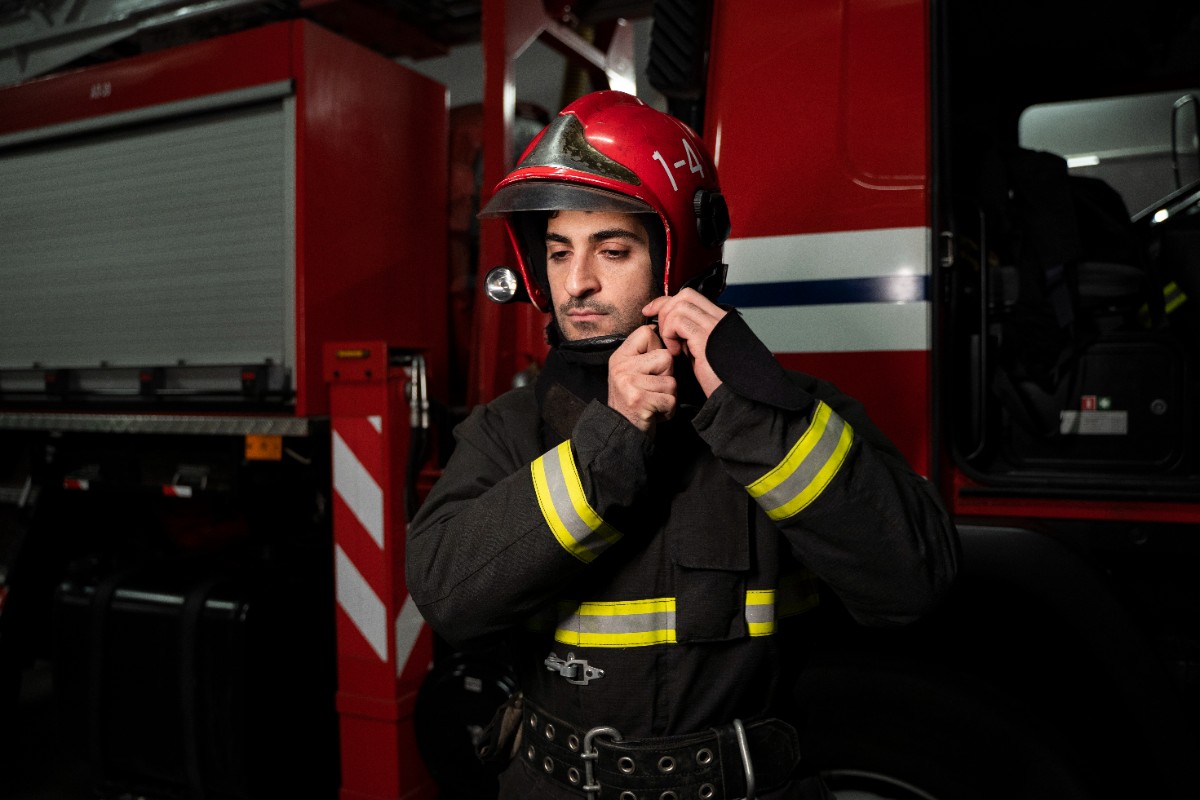
What Jobs Require First Aid Training? Explore Career Options
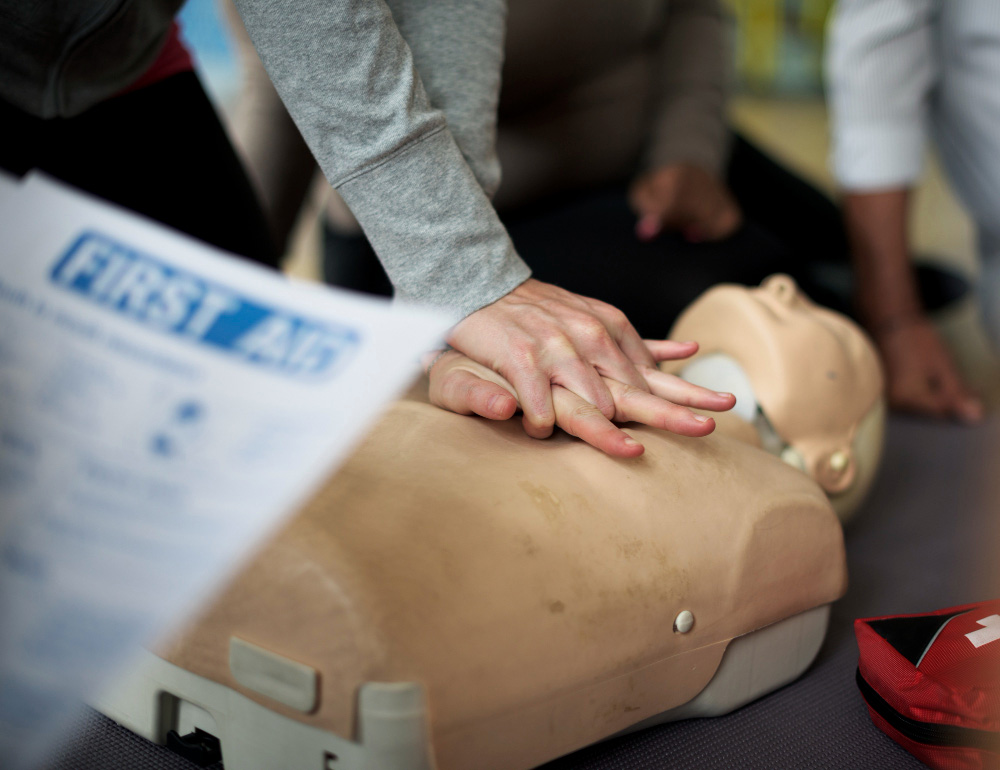
First aid training is helpful in many jobs because workers might need to handle injuries, sudden illnesses, or medical emergencies. Many different fields like healthcare, childcare, education, construction, hospitality, and sports need workers to know how to handle emergencies properly. Looking for jobs that require first aid training can help people find careers where these useful skills are really important.
Employers often look for people who can recognise warning signs, provide immediate assistance and follow workplace safety procedures. Some positions require a recognised first aid qualification, while others offer training as part of workplace induction or professional development.
Understanding which careers need these skills can help you choose suitable training and prepare for different workplace responsibilities. Practical training helps you respond confidently to emergencies, protect others and build valuable skills for your chosen career. Click now to learn the course.
1. Healthcare Professionals
Healthcare is one of the main sectors where first aid knowledge plays an important role. Nurses, healthcare assistants, support workers and other clinical staff regularly work with people who may experience sudden health problems.
Their responsibilities can include recognising signs of deterioration, responding to injuries and providing immediate support until further medical assistance is available.
First aid for healthcare professionals is particularly important because healthcare workers may encounter situations such as:
- Sudden cardiac arrest.
- Breathing difficulties.
- Falls and physical injuries.
- Severe bleeding.
- Seizures and loss of consciousness.
- Choking incidents.
Depending on their position, healthcare professionals may need Basic Life Support (BLS), CPR and AED training. These skills help them respond appropriately while following clinical guidelines and workplace procedures.
2. Childcare Workers and Early Years Educators
Childcare professionals work with infants, toddlers and young children who may experience accidents during everyday activities. Children can fall, choke, develop allergic reactions or sustain injuries while playing.
For this reason, childcare providers often require staff to complete recognised paediatric first aid training.
First aid training for childcare workers covers emergency situations involving babies and children. It helps professionals understand how to assess an incident and provide age-appropriate assistance.
Important areas include:
- Paediatric CPR and resuscitation.
- Choking response for babies and children.
- Managing cuts, burns and bruises.
- Recognising allergic reactions.
- Responding to seizures and febrile convulsions.
- Handling head injuries.
Nurseries, preschools, crèches and after-school programmes may require specific first aid qualifications. Requirements depend on the role and applicable childcare regulations.
3. Teachers and School Support Staff
Schools and educational institutions are responsible for maintaining a safe environment for students and employees. Teachers, teaching assistants, sports coaches and school support staff may need to respond to unexpected injuries or medical incidents.
Students can experience falls, sports injuries, asthma attacks and allergic reactions during school activities.
First aid knowledge helps school employees provide immediate assistance while contacting parents, emergency services or designated medical staff.
Common training areas include CPR, choking response, wound care and managing minor injuries. Some schools also appoint designated first aiders to provide support across the premises.
4. Construction and Industrial Workers
Construction sites, factories and industrial workplaces involve equipment, machinery and physical activities that can create safety risks. Workers may experience cuts, burns, fractures, falls and other serious injuries.
Employees with first aid training can provide immediate assistance while emergency services are contacted.
Emergency First Aid is useful in workplaces where employees may need to manage an incident before professional medical help arrives.
Training generally covers:
- Assessing an emergency situation.
- Checking whether an injured person is responsive.
- Managing severe bleeding.
- Responding to burns and injuries.
- Providing CPR and using an AED.
- Contacting emergency services.
Construction companies and industrial employers may also appoint trained workplace first aiders to support health and safety arrangements.
5. Sports Coaches and Fitness Instructors
Sports centres, gyms and fitness facilities bring people together for physical activities. During exercise, participants may experience muscle injuries, sprains, fractures, dehydration or sudden cardiac problems.
Sports coaches, personal trainers, swimming instructors and fitness professionals benefit from knowing how to respond to these situations.
First aid training helps them recognise potential emergencies and provide appropriate assistance. It also supports safer supervision during group activities, training sessions and sporting events.
Swimming instructors may need additional training in water-related emergencies, depending on their responsibilities and the facility’s safety requirements.
6. Hospitality and Tourism Employees
Hotels, restaurants, resorts and tourist attractions serve large numbers of people every day. Guests and employees may experience falls, burns, choking incidents or sudden illness.
Hotel managers, kitchen supervisors, restaurant staff, tour guides and leisure centre employees can benefit from workplace first aid training.
For example, kitchen staff may need to respond to burns and cuts, while hotel employees may assist guests who feel unwell. Tour guides may also encounter emergencies in locations where medical assistance takes longer to reach.
Having trained staff available helps businesses respond more effectively and maintain a safer environment for customers and employees.
7. Security Guards and Event Staff
Security professionals often work in crowded environments such as shopping centres, concerts, festivals and public events. They may be among the first people to notice an incident or receive a request for assistance.
First aid knowledge allows security guards and event staff to provide initial support until emergency responders arrive.
Their training may cover CPR, bleeding control, unconsciousness, choking and basic emergency assessment.
Employers organising large events may require designated first aid personnel as part of their wider safety arrangements.
What Career Opportunities Are Available with First Aid Training?
Completing an approved course can strengthen your CV and support applications for positions across several industries.
Some potential first aider jobs include:

A person is not eligible for every position on the list with just a first aid certification. Certain positions call for further training, professional registration, or related work experience.
Where Can You Get First Aid Training in Dublin?
People living or working in Ireland can explore accredited training providers that offer courses for different industries.
First Aid Training Dublin is available through providers offering workplace first aid, paediatric first aid and Basic Life Support courses.
Think about the following before enrolling:
- Verify that the course satisfies the standards of your company.
- Verify that the supplier offers accredited certification.
- Examine the program's practical instruction.
- Verify the length of the course and the evaluation procedure.
- Recognise the requirements for renewing the certificate and its validity.
Making the correct program choice ensures that your training aligns with your chosen career and job duties.
How to Choose the Right First Aid Course
Different workplaces have different emergency response needs. Choosing suitable training depends on your current job, career goals and the people you may need to assist.
Before enrolling, take into account these options:
Basic First Aid: Ideal for those who wish to learn how to handle common injuries and handle everyday crises.
Emergency First Aid at Work: Designed for workers who might have to offer prompt assistance in an emergency at work.
Paediatric First Aid: Covers emergency situations involving babies and young children.
Basic Life Support: Focuses on CPR, AED use and responding to life-threatening emergencies.
First Aid at Work: Provides broader training for employees who take responsibility for workplace first aid arrangements.
A recognised First Aid Training programme combines theoretical learning with practical exercises. This allows learners to practise emergency response techniques and understand how to use their skills safely.
Conclusion
First aid training can help people grow in their careers in fields like healthcare, childcare, education, construction, hospitality, and other areas. These skills enable workers to spot emergencies, offer help right away, and help make work environments safer.
The best course for you is based on what you want to do in your career and the duties of the job you're aiming for. A certified qualification can also help you learn more about your job and make your resume more appealing to potential employers.
Care Learning is a healthcare learning platform that offers free CPD courses and helpful information on various subjects. Check out the learning materials to increase your knowledge and help your career progress. Move forward in your learning process. Apply or register today.
Frequently Asked Questions
1. Which jobs require first aid training?
Healthcare workers, childcare providers, teachers, construction workers, sports coaches, and people who ensure workplace safety might need to have first aid training. The requirements will vary depending on what the employer needs and the tasks involved in the job.
2. Is first aid training required for healthcare workers?
Many healthcare jobs need training in how to respond to emergencies. Nurses and other healthcare workers might need to take BLS, CPR, or other types of training depending on their job and what they are responsible for doing at work.
3. Can taking a first aid course help me find a job?
Yes. A certified qualification can make your resume stronger and show that you can handle emergencies at work. It may also meet specific employer requirements.
4. How long is a first aid certificate good for?
Validity depends on the course and the organization that gives the award. In Ireland, workplace first aid certifications usually need to be renewed every three years, but some other courses might have different suggestions for renewal.
5. Can I take first aid training even if I don't have any experience in healthcare?
Yes. Many introductory courses are open to beginners. You don't typically need any past experience in healthcare to learn the basics of handling emergencies.