BLS and AED Training: What to Expect From Practical Training
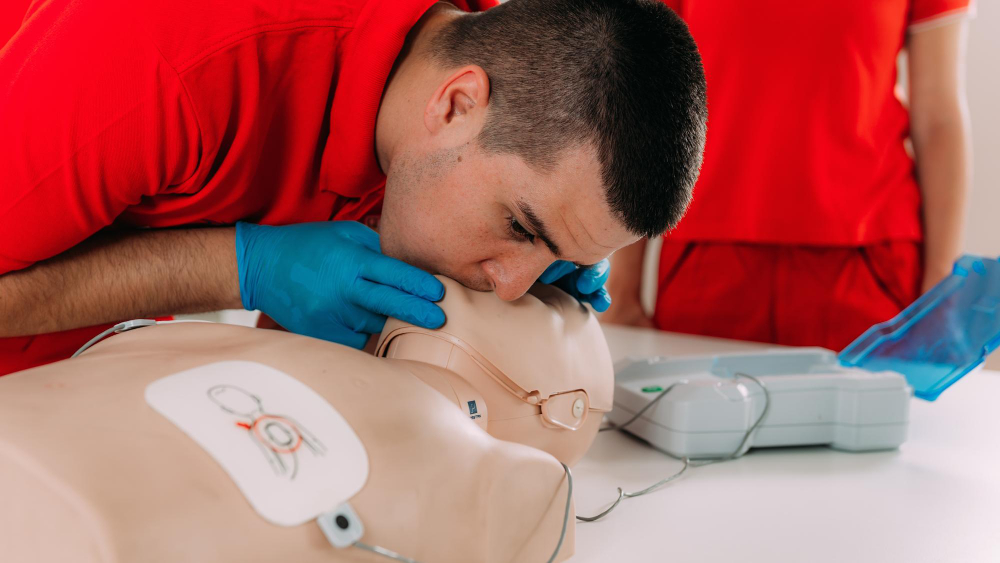
BLS and AED Training gives healthcare professionals, care workers and other workplace responders the practical knowledge needed to respond to a person experiencing a cardiac arrest or another life-threatening emergency. Rather than focusing only on theory, practical sessions allow learners to practise essential techniques such as CPR, chest compressions, rescue breaths and the safe use of an automated external defibrillator (AED). Understanding what happens during practical training can help learners prepare with greater confidence.
What Is BLS Training?
- BLS training refers to structured education that teaches people how to provide immediate basic life support when someone is unresponsive or not breathing normally.
- The training generally focuses on recognising an emergency, contacting emergency services, starting appropriate resuscitation, and using an AED when one is available.
- Basic life support is particularly important because the first few minutes of a cardiac emergency can be critical.
- Prompt action can help maintain circulation and oxygen delivery while professional emergency assistance is on its way.
- Training is not limited to healthcare professionals.
- Depending on the course and setting, it may also be suitable for carers, support workers, teachers, workplace first aiders, fitness professionals, and other individuals who may need to respond to an emergency.
What Happens During Practical BLS Training?
Practical BLS training allows learners to move beyond classroom theory and develop hands-on familiarity with emergency response techniques. Instructors typically demonstrate each skill before asking participants to practise it themselves.
A practical session may include:
- Recognising an unresponsive person and assessing the situation
- Checking for normal breathing
- Calling for emergency assistance
- Performing effective chest compressions
- Providing rescue breaths where appropriate
- Following the recommended resuscitation sequence
- Using an AED safely
- Working effectively as part of an emergency response team
- Responding to different simulated emergency scenarios
Learners usually practise these techniques using training manikins and simulated equipment. This provides an opportunity to repeat procedures, receive feedback and improve technique in a controlled environment.
Learning How to Perform CPR
CPR training is an important part of basic life support education. Learners are shown how to position themselves correctly, place their hands appropriately and perform chest compressions at the recommended depth and rate.
Practical instruction is valuable because performing compressions involves more than simply understanding the steps. Learners need to develop coordination, positioning and rhythm while maintaining an appropriate response to the situation.
Where rescue breathing forms part of the course, participants may also learn how to provide breaths using appropriate training equipment and infection-control measures.
Repeated practice can help learners become more familiar with the sequence and understand how different actions fit together during an emergency.
Understanding AED Training
AED training introduces learners to the safe and effective use of an automated external defibrillator. These devices are designed to analyse a person’s heart rhythm and, when appropriate, deliver an electrical shock intended to help restore an effective rhythm.
During a practical session, learners may practise:
- Recognising when an AED may be required.
- Turning on the device and following its verbal or visual instructions.
- Applying the electrode pads correctly.
- Ensuring nobody is touching the person while the device analyses the rhythm.
- Following the AED’s instructions if a shock is advised.
- Continuing resuscitation when instructed.
The emphasis is generally on following the device’s prompts rather than trying to make an independent medical decision about whether a shock should be delivered.
Developing Hands-On Confidence
One of the key benefits of basic life support practical training is the opportunity to practise in an environment where mistakes can be identified and corrected.
For example, an instructor may observe a learner’s compression technique and provide guidance on hand placement, body positioning or consistency. Learners can then repeat the exercise and apply that feedback.
Practical sessions may also introduce different scenarios. A learner could be asked to respond to an unconscious person in a workplace environment, coordinate with another responder, or use an AED while continuing to follow the appropriate emergency response process.
This scenario-based approach helps connect individual skills into a structured response.
Communication and Teamwork During an Emergency
Effective emergency response is not always carried out by one person. In healthcare and care environments, several people may become involved in responding to a cardiac arrest.
Practical training can therefore include communication and teamwork. Participants may practise allocating responsibilities, contacting emergency services, retrieving an AED and coordinating CPR with another responder.
Clear communication can reduce confusion during a stressful situation. Learners can also gain an understanding of why roles should be communicated clearly and why responders need to follow established emergency procedures.
What to Expect From an AED and BLS Assessment
Depending on the course provider, students might be tested on both their understanding and hands-on abilities. The way the assessment is structured might be different, so it's important for participants to look into the exact details before they come.
A real test might ask someone to show a full emergency plan instead of practicing each skill on its own. This might involve spotting an emergency, checking if the person is responding and breathing, starting CPR, and using an AED correctly.
Instructors may assess technique, sequence, communication, safety awareness, and the learner’s ability to respond appropriately to a simulated emergency.
The aim is generally to confirm that learners can apply the principles covered during training rather than simply recall information from a textbook.
BLS Certification UK: What Learners Should Know
People searching for BLS certification in the UK should check exactly what the course covers and whether the qualification meets the requirements of their employer or professional role.
Different training providers may offer courses with different content, assessment methods, validity periods and certification arrangements. Healthcare professionals should also consider whether their workplace or professional body specifies particular training requirements.
It is useful to confirm the course duration, practical components, assessment process, and certificate details before booking.
Who Can Benefit From Practical BLS Training?
Practical training can be relevant to a wide range of people who may encounter medical emergencies.
This can include:
- Nurses and healthcare professionals
- Healthcare assistants and care workers
- Support workers
- Residential and nursing home staff
- Workplace first aiders
- Teachers and childcare professionals
- Fitness and sports professionals
- Other workers with emergency response responsibilities
For healthcare workers, maintaining emergency response skills can form part of ongoing professional development. Regular refresher training can also provide an opportunity to revisit techniques and remain familiar with current workplace procedures.
Preparing for Your Practical Training Session
There are several simple ways learners can prepare before attending a practical course. Read any pre-course information provided by the training organisation and check whether there are specific requirements.
Wear comfortable clothing that allows you to move freely, as practical exercises may involve kneeling beside a training manikin and performing repeated chest compressions.
It is also helpful to approach the session as an opportunity to practise rather than simply demonstrate existing knowledge. Ask questions when something is unclear and use instructor feedback to improve your technique.
Why Practical Training Matters
Knowing the theory behind emergency response is important, but practical experience adds another dimension to learning. Hands-on exercises allow learners to practise physical techniques, follow an organised response sequence and become familiar with emergency equipment.
The controlled training environment also provides an opportunity to build familiarity without the pressure of responding to a real emergency. Repetition, feedback and scenario-based learning can help reinforce important skills.
Ultimately, the purpose of practical BLS and AED education is to prepare learners to recognise an emergency and respond appropriately within the limits of their training.
Conclusion
BLS and AED education combines essential knowledge with hands-on practice to help learners understand how to respond to life-threatening emergencies. From practising chest compressions and rescue breathing to using an AED and communicating effectively with other responders, practical sessions focus on applying skills rather than simply learning theory.
Before you pick a course, think about what it covers in real-world situations, how it will be graded, how you'll get your certificate, and how useful it is for your job. Continuous learning can also help keep people up to date with important steps to take during emergencies.
Care Learning is a website where you can take free CPD courses and find lots of information on different healthcare and care topics. This helps you keep learning and growing in your job.
Whether you're beginning your healthcare career or want to update your emergency response skills, find the right training programs and sign up or apply now.
Frequently Asked Questions
1. What is covered in BLS and AED training?
BLS and AED classes usually teach how to recognise emergencies, perform CPR, do chest compressions, give rescue breaths, use an AED device, communicate during emergencies, and practice real-life response situations.
2. Is CPR included in BLS training?
CPR is usually a key part of basic life support training. Students practice important resuscitation skills and might also learn how to use an AED in case of an emergency.
3. Who can take BLS and AED training?
These courses are right for healthcare workers, caregivers, people who help in emergencies at work, teachers, support staff, and anyone else who might need to deal with a sudden medical situation.
4. What happens during practical BLS training?
Participants usually practice emergency response techniques by using training manikins and fake AED devices. Instructors show how to do things, give comments, and sometimes test students by having them do real-life tasks.
5. How can I find BLS certification in the UK?
To find suitable BLS certification in the UK, check recognised training providers and review course content, practical assessment requirements, certification details, and any requirements set by your employer or professional body.